Meet the Pictures of Falabella
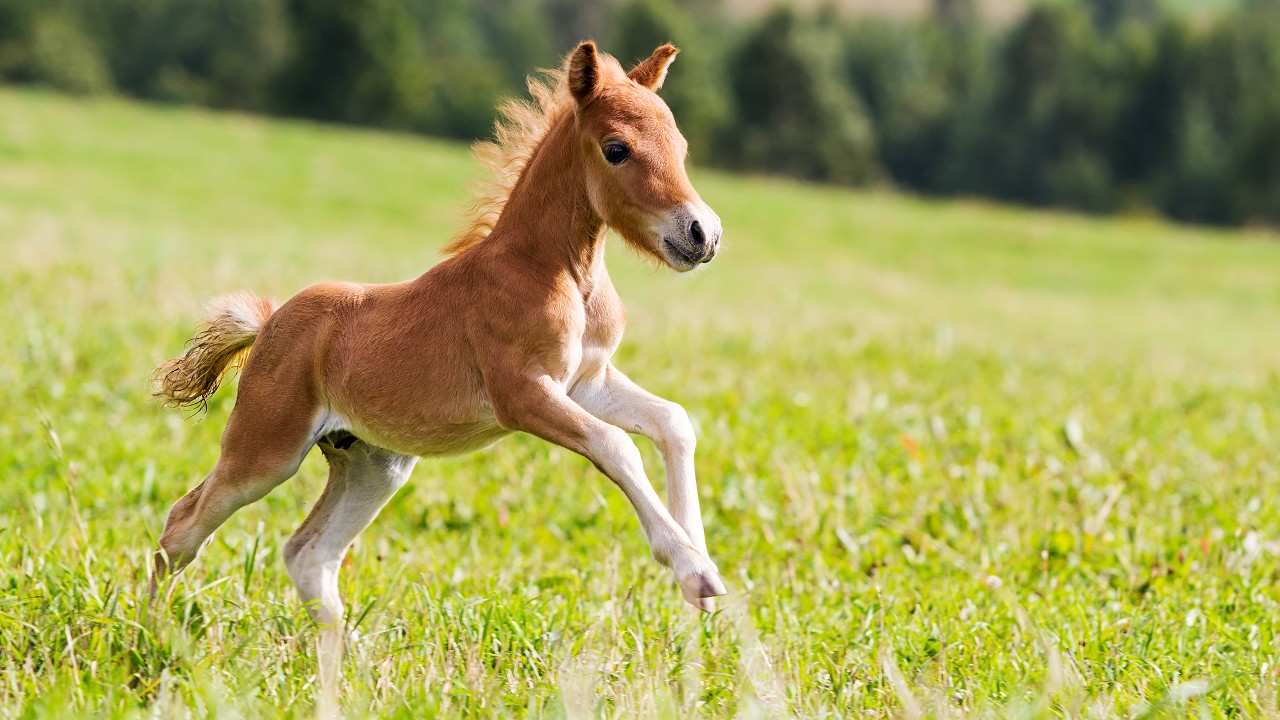
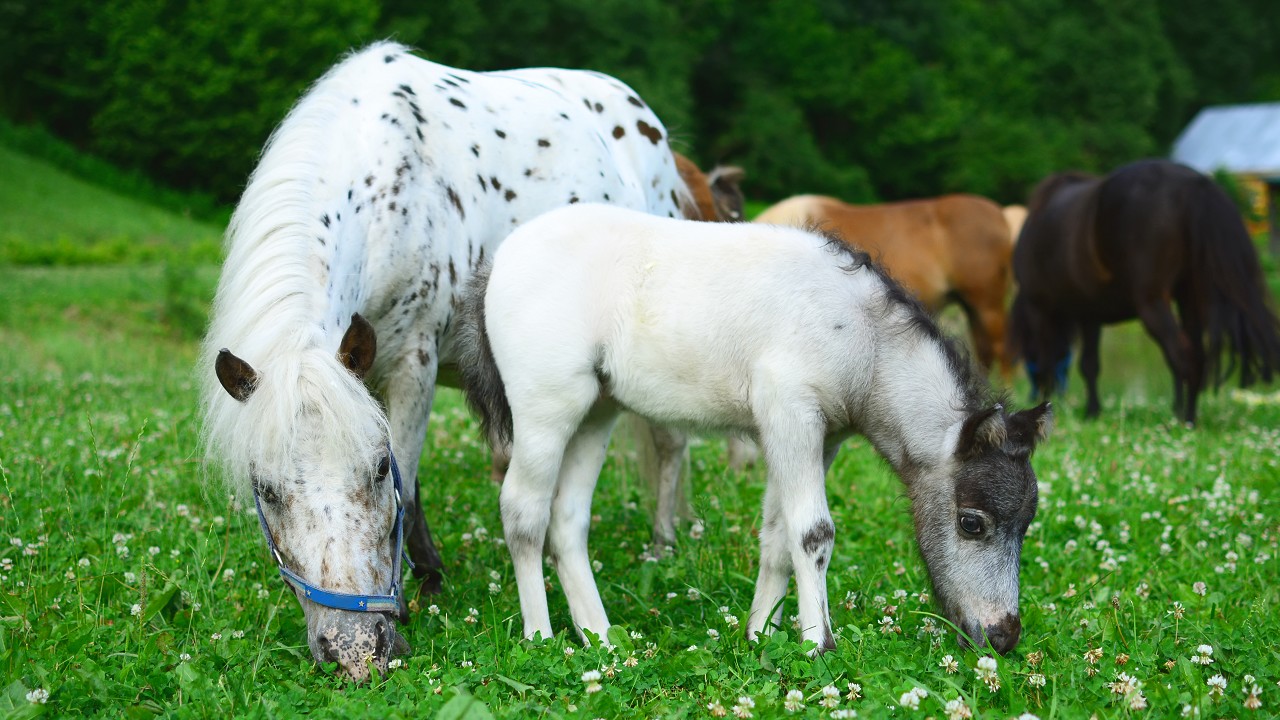
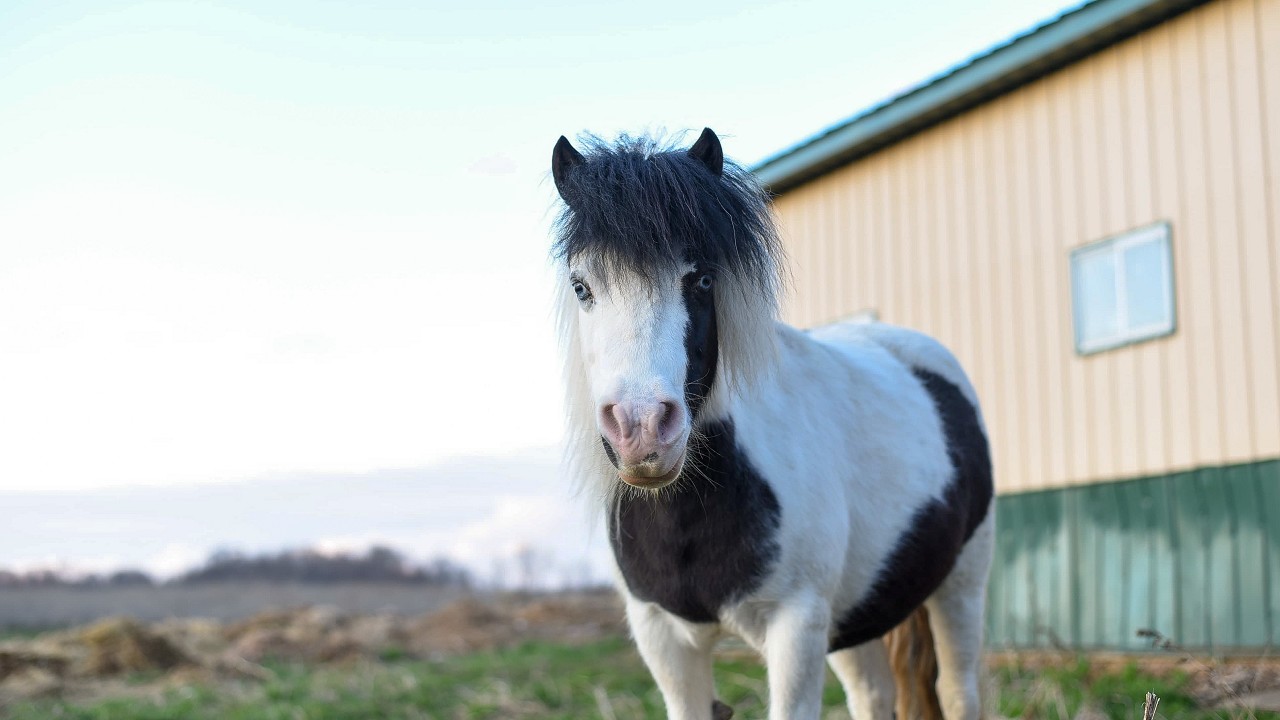
When it comes to horses, adjectives like big and beautiful immediately come to mind, but did you know there are also charming, cute ponies? They resemble the horses from fairy tales, and one such breed is the Falabella!
Originating from Argentina, Falabella ponies are smaller than ponies and are famous as the world’s smallest horse breed. Despite their Argentine roots, they are loved worldwide as pets, especially in the United States.
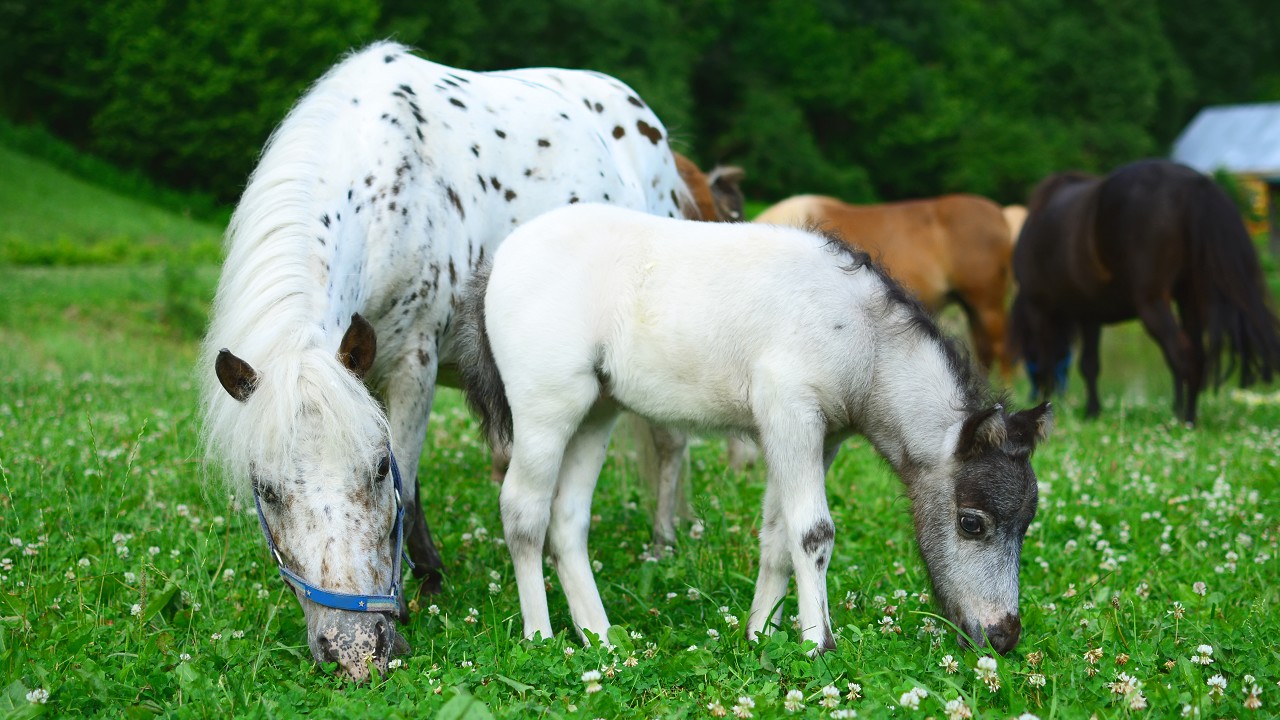
The adorable Falabella has a similar body shape to Thoroughbreds and Arabians, but they have a different charm due to their small size. Check out the photos and see for yourself.
How Big Is It Compared to People?
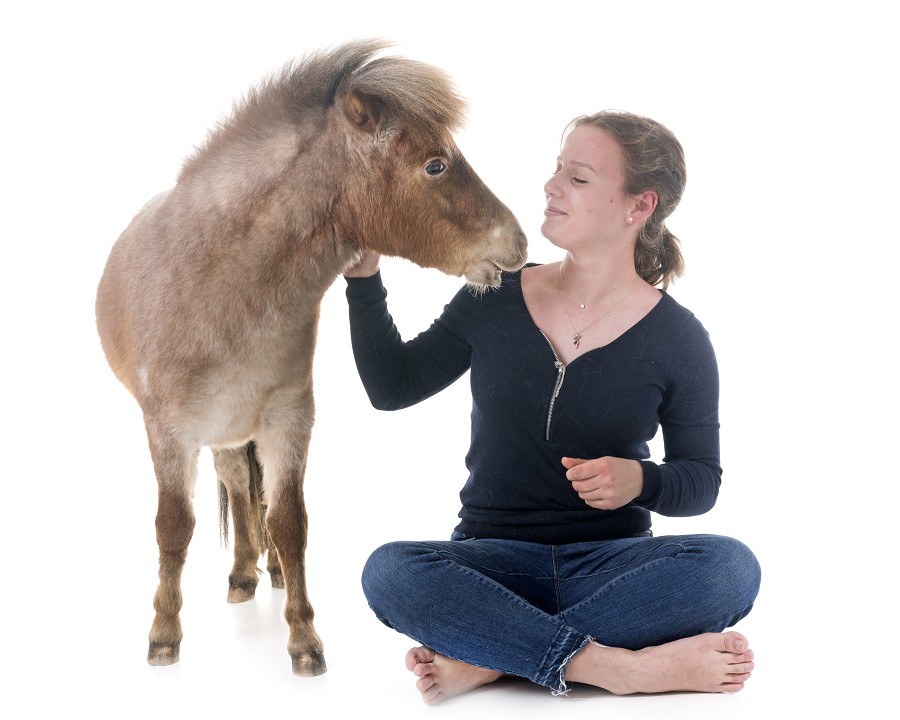
It is said to be the smallest horse in the world, but how tall is it in reality?
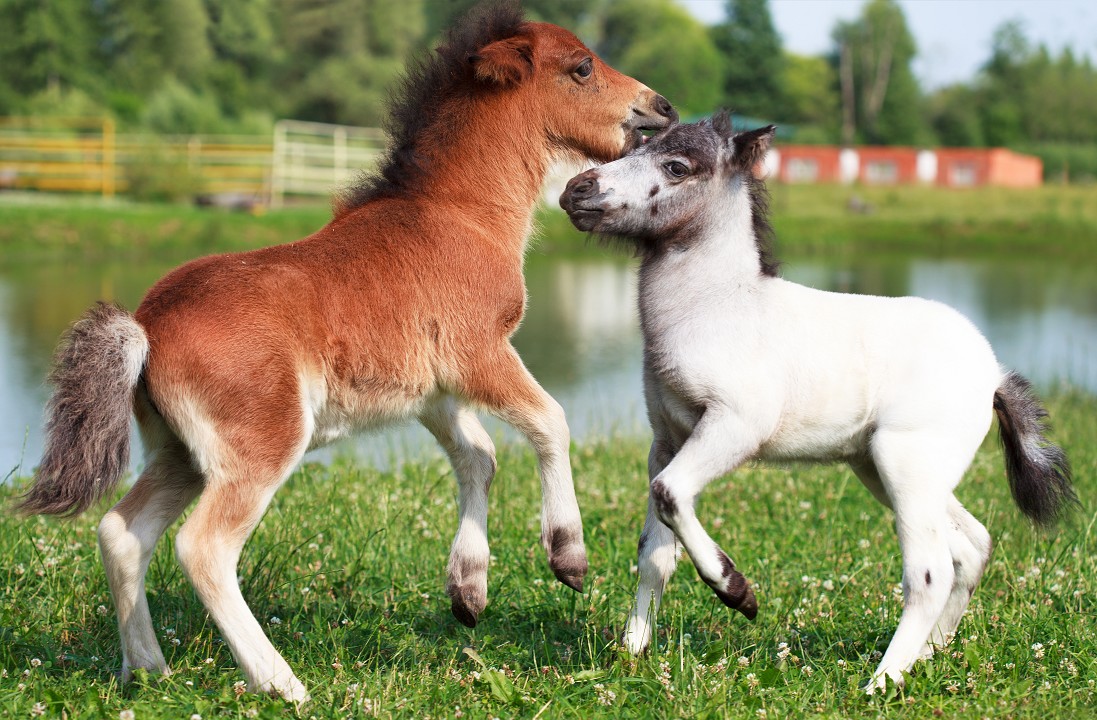
Height at the withers is used to measure horses, from the ground to the top of the withers at the base of the neck. While Thoroughbreds and Arabians used in racing are about 160–170cm tall, the Falabella is said to be only 70–80cm tall.
If a Japanese woman is about 160cm tall, then a Falabella is shorter than her hips. It’s comparable in height to an 8-month-old or 1-year-and-a-half-old baby, making it about the same size as a toddler learning to walk. Imagine how tiny this horse truly is!
How Did This Cute Horse Come About?
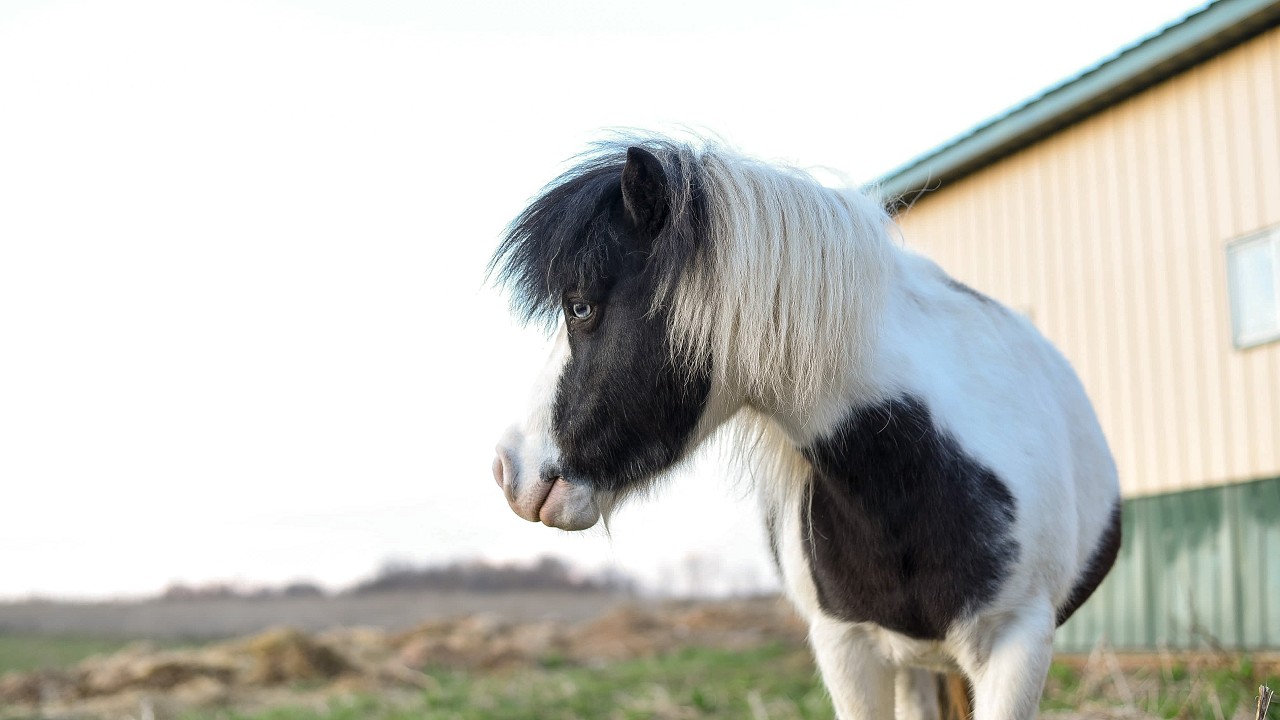
Falabella, which is rarely seen in Japan, was developed in the suburbs of Buenos Aires, Argentina in the early 20th century by the Falabella family. The breed’s name comes from the Falabella family who created it.
The breed was formed through crossbreeding of Andalucian horses and Shetland ponies, with significant inbreeding involved.
Size Reduction
Over time, selective breeding further reduced their size, and now the average height is 70–80cm, making them miniature horses about the size of a large dog. Some Falabella are even around 40cm tall, smaller than many large dogs—further emphasizing their pet-friendly appeal.
Popular as Pets
Although they cannot be ridden due to their small size, Falabella’s adorable appearance, intelligence, and friendly nature make them popular as pets, especially in the United States.
In Japan, keeping a horse as a pet might seem difficult, but it’s worth considering whether it’s possible. Let’s take a look.
Pet Possibility in Japan
Their small size means the stable can be replaced by a large dog house, and no large pasture is necessary; they can be kept comfortably in a garden of about 10 tatami mats. If a garden isn’t available, a half-hour walk each day is recommended. Compared to walking a dog twice daily, a 30-minute walk is quite manageable.
Feed costs are also lower than maintaining full-sized horses, making them more feasible as pets. They are also long-lived, with a lifespan of 20–30 years, allowing for a longer companionship than typical dogs or cats.
However, consider your own age in 30 years and whether you can responsibly care for a pet over such a long period.
Special Attention to Health
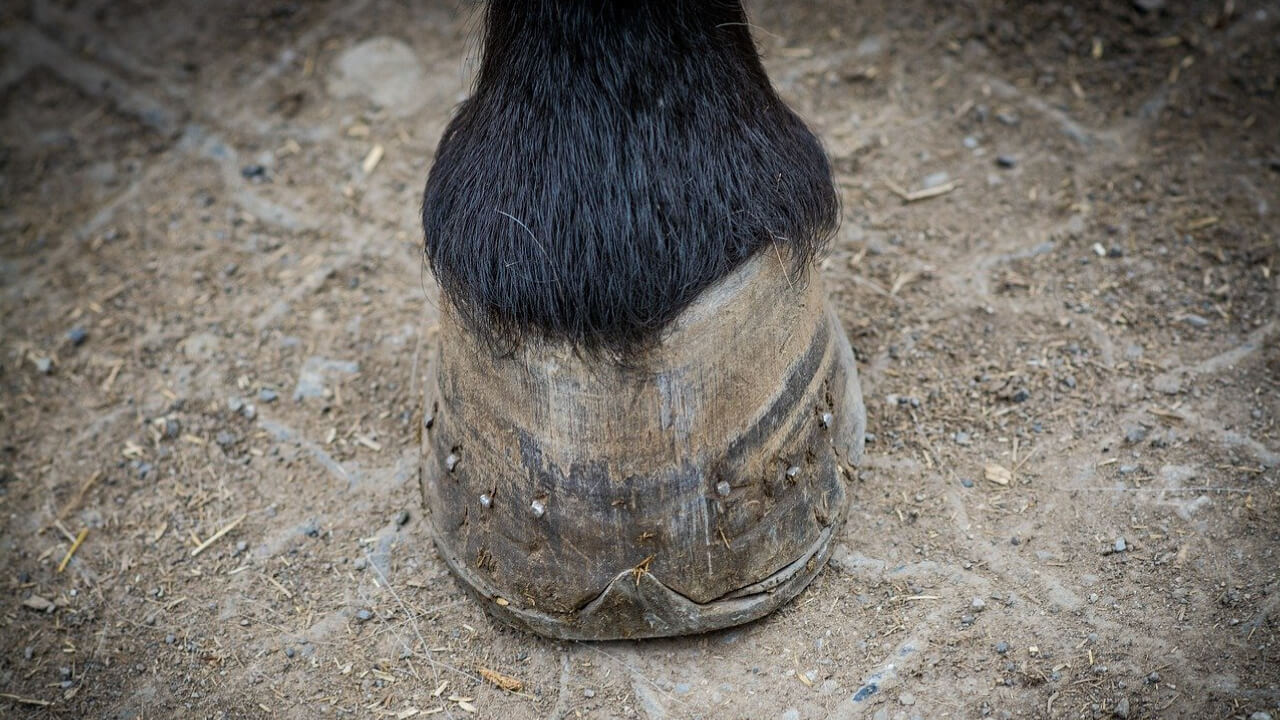
While Falabella is popular as a pet, horses are generally less obvious in health changes compared to dogs and cats. It’s important to regularly monitor their health, check for any signs of discomfort, and stay vigilant. This includes inspecting their food, manure, grooming, and noting any unusual behaviors.
If symptoms of illness appear, consulting a veterinarian promptly is essential. Diseases like colds or colic can escalate if not treated early. Regular check-ups and parasite prevention are recommended, so find a vet familiar with horses before bringing a Falabella home.
We’ll explain common equine illnesses to watch out for.
Colds
If horses are exposed to cold weather for extended periods or rain, they can catch colds similar to humans. Though “horses are hardy in cold weather,” Falabella, being a miniature horse created through selective inbreeding, has less cold resistance.
Symptoms include runny nose, cough, and loss of appetite. Daily care should include observing their nose and eating habits. If cold symptoms appear, consult a vet early, as unresolved cases could lead to pneumonia or more serious issues.
Early intervention is critical.
Colic
Another common illness is colic, which is severe abdominal pain caused by overeating, cold, constipation, digestive displacement or torsion, or parasitic infections. The unique physiology of horses—with small stomachs compared to their body size and a long, loosely fixed intestines—makes them susceptible to colic.
Ignoring symptoms can be fatal; prompt veterinary consultation is necessary. Symptoms include loss of appetite, changes in bowel movements, sweating, pawing, lying down, or touching the belly. During waiting times, gentle movement like lunging may help stimulate the intestines.
In severe cases, may require surgery and can be fatal if untreated. Managing diet and daily exercise are important for prevention, along with regular health checks.
Laminitis (Hoof Cracks)
Hoof health is critical; cracks and laminitis can develop if the hooves are not properly cared for. Regular trimming and applying hoof oil are essential, especially in dry winter weather.
Fungal Hoof Rot
Fungal infections can occur if the environment is dirty or if hoof care is neglected. Maintaining a clean stable, replacing bedding regularly, and consulting a farrier for hoof care are key to preventing these issues.
Summary
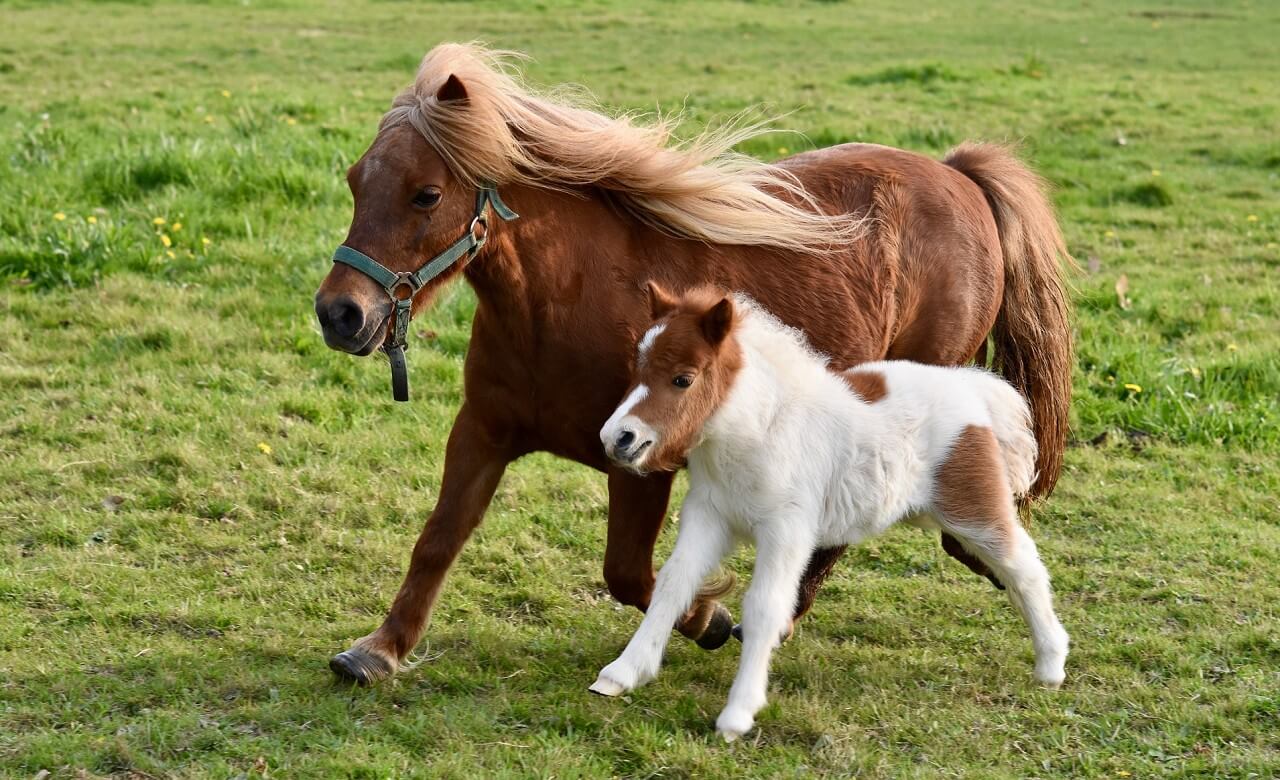
The adorable Falabella, reminiscent of fairy tale horses, has become popular around the world as a pet, though it might still be unfamiliar in Japan. Its gentle nature and high learning ability make it a promising guide horse candidate. We look forward to its future activities.