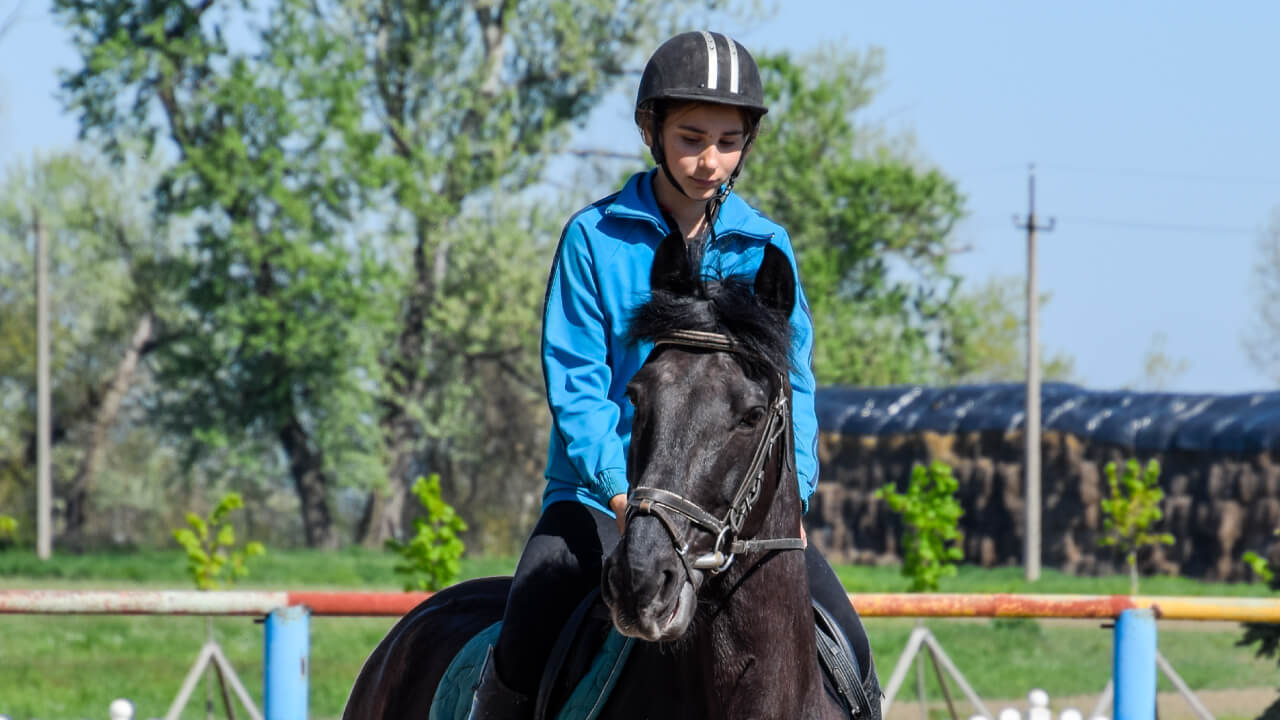
If you want to learn how to ride horses, mastering the walk is unavoidable. The walk is the most fundamental step, and it is always practiced at the start of any lesson. In fact, no riding lesson exists without practicing the walk.
Even when increasing the number of gaits and practicing various movements, the walk remains essential because it serves specific purposes. Here, we focus on the walk, explaining its objectives and how to give signals effectively.
Purpose of the Walk
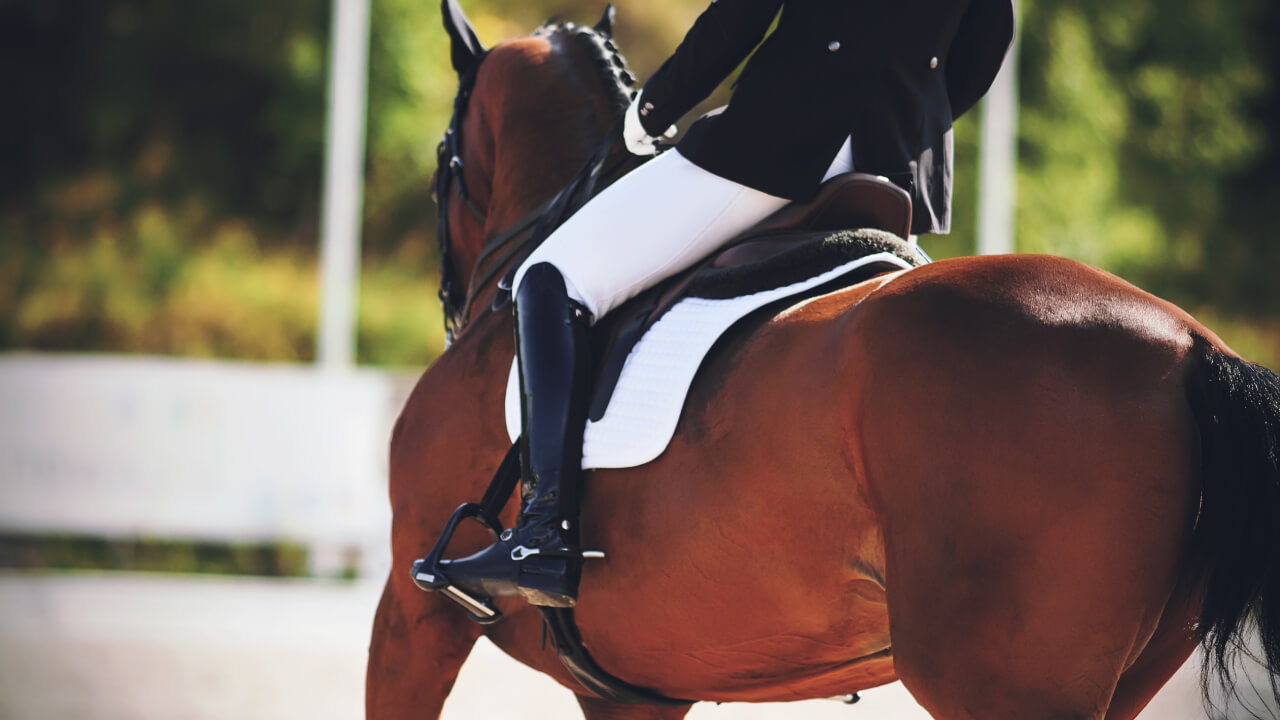
In horseback riding, the walk is not merely a starting point. There are specific reasons for practicing the walk before each lesson: ‘warm-up,’ ‘relaxation,’ and ‘easing into the next movements.’ Each purpose is explained in detail below.
Warming Up
When exercising, few people start with vigorous activity. Usually, a warm-up loosens up stiff muscles before gradually increasing exertion.
This is crucial because starting without warming up can lead to injuries. The same applies to horses. For horses, the walk acts as a warm-up to loosen muscles. Lessons are held regardless of weather, and riding grounds can be muddy.
The walk also helps check the condition of the footing. For horses, injuries are life-threatening. Foot injuries can be fatal, and a broken leg often requires euthanasia due to difficulty healing.
Relaxation
Horseback riding is a sport where rider and horse move as one, facing the same direction. However, lessons often begin with a new horse or a horse with whom trust hasn’t been fully established, causing anxiety.
Starting with a walk helps both rider and horse feel comfortable and relax, creating a calming time before training.
Preparation for Next Movements
The walk isn’t just about walking aimlessly; it’s a warm-up that prepares for the next movements. Rushing through the walk is discouraged.
If the walk is too leisurely, instructors may warn the rider. If the rider doesn’t establish steady, forward-moving energy during the walk, they can struggle to respond quickly to subsequent commands.
Furthermore, a sluggish walk can cause the horse to lose focus, making it ignore commands or rider cues, which should be avoided.
Walking Gaits
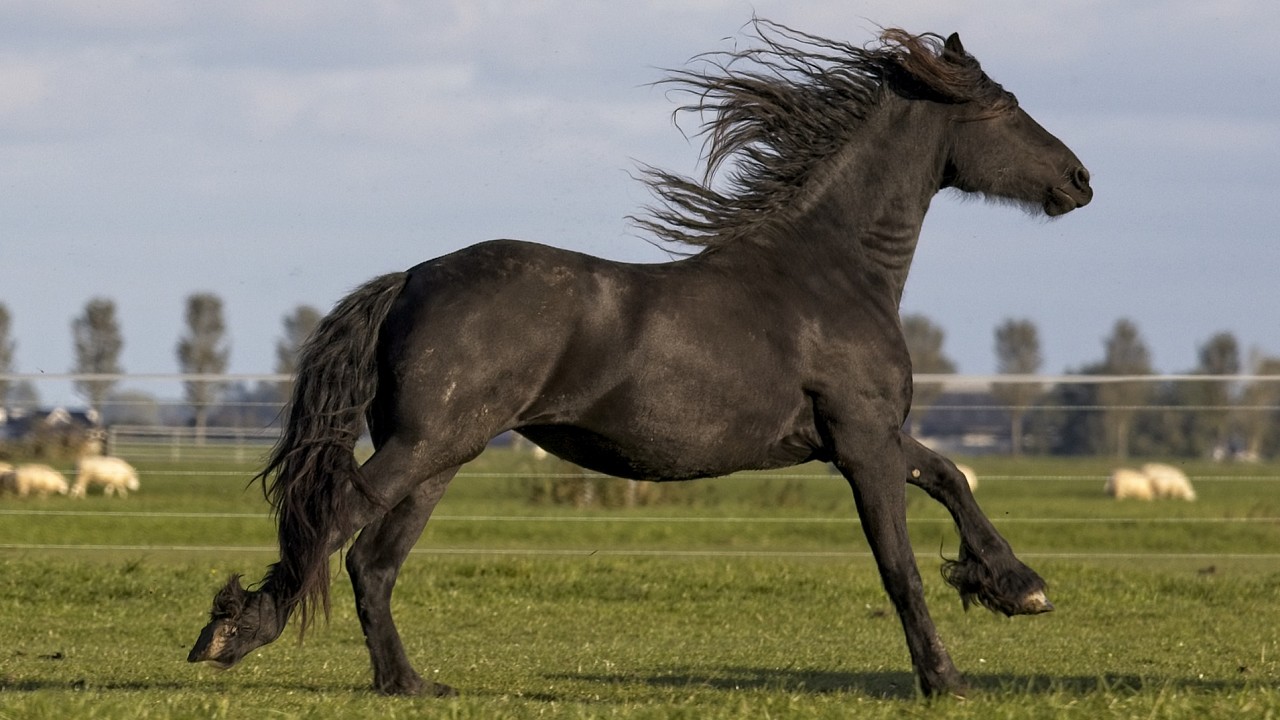
This section explains what a gait is, the main types of horse gaits, and details about the walk.
What is a Gait?
A gait refers to how a horse moves—how it walks or runs. Main gaits include ‘walk,’ ‘trot,’ ‘canter,’ and ‘amble.’ Among these, the most common are ‘walk,’ ‘trot,’ and ‘canter,’ which are also fundamental in basic riding lessons.
Advanced riding, such as dressage, includes more specialized gaits like piaffe and passage, which are rarely practiced at riding clubs but can be seen in performances or races.
What is the Walk?
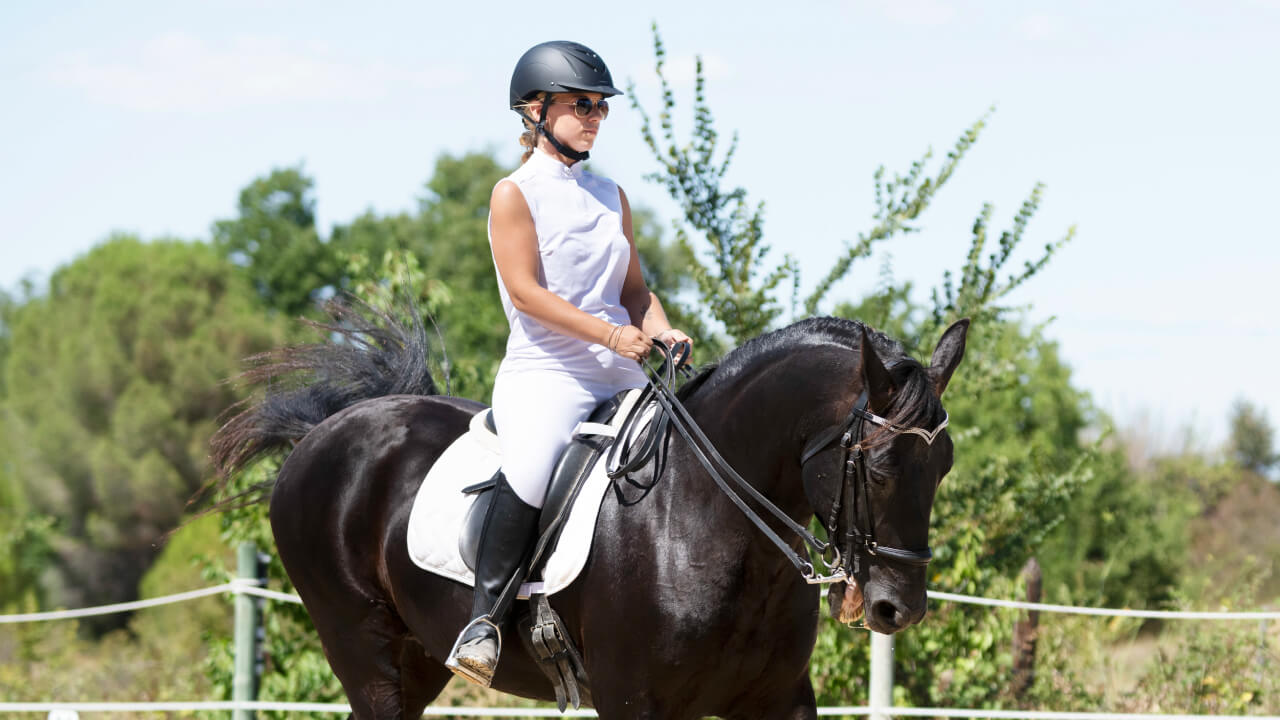
The walk, called ‘ウォーク’ in Japanese, is the slowest gait of a horse and regarded as the foundation of riding. It is the first gait you learn in lessons.
It involves moving each of the horse’s four legs separately, following a four-beat rhythm. The sequence is right hind, right front, left hind, left front. At all times, three or two legs are on the ground, supporting the horse’s large body.
During the walk, the horse’s head moves noticeably in all directions. However, the rider only feels the gentle swaying forward and backward, with minimal up-and-down motion.
Signals and Timing for the Walk
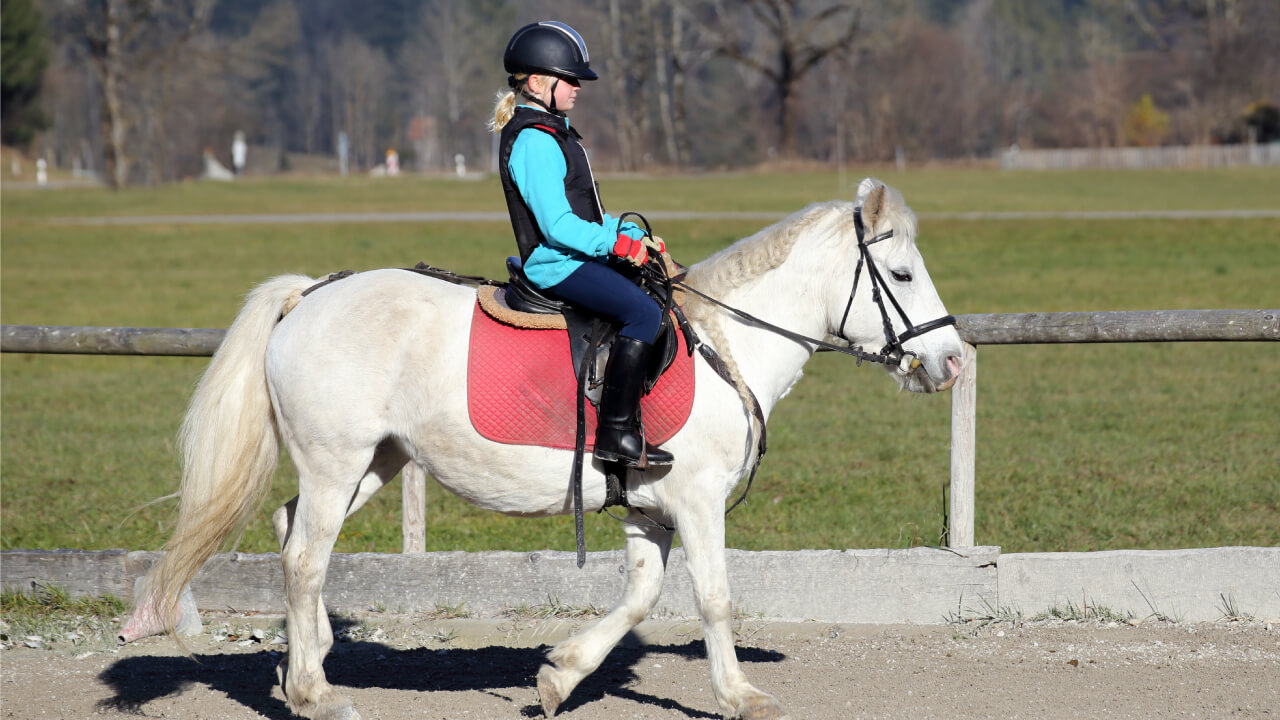
Here are how to give signals to start the walk, the method, and timing. Please refer to this important aspect of riding.
How to G ive Signals for the Walk
The signal to start walking is given by lightly pressing the horse’s belly with the legs and slightly moving the ankle up and down. Riders new to riding might find it difficult to control the strength of the pressure or the ankle movement, possibly startling the horse or failing to communicate at all.
Some riders use kicking signals, but excessive kicking is common. Remember, you are the one giving commands, and you should go easy—don’t be too forceful.
Because the horse does not respond well to rough signals, it is better to be gentle and communicate calmly, understanding that the horse is a partner, not a machine or robot.
Timing
After giving the initial command to start the walk, do not stop there. It’s essential to encourage forward movement by giving well-timed cues.
The correct timing is when the horse’s right shoulder moves forward, you give a cue with your left leg, and vice versa for the left shoulder. This helps the horse maintain a steady forward pace and continue walking naturally.
Maintaining Proper Posture
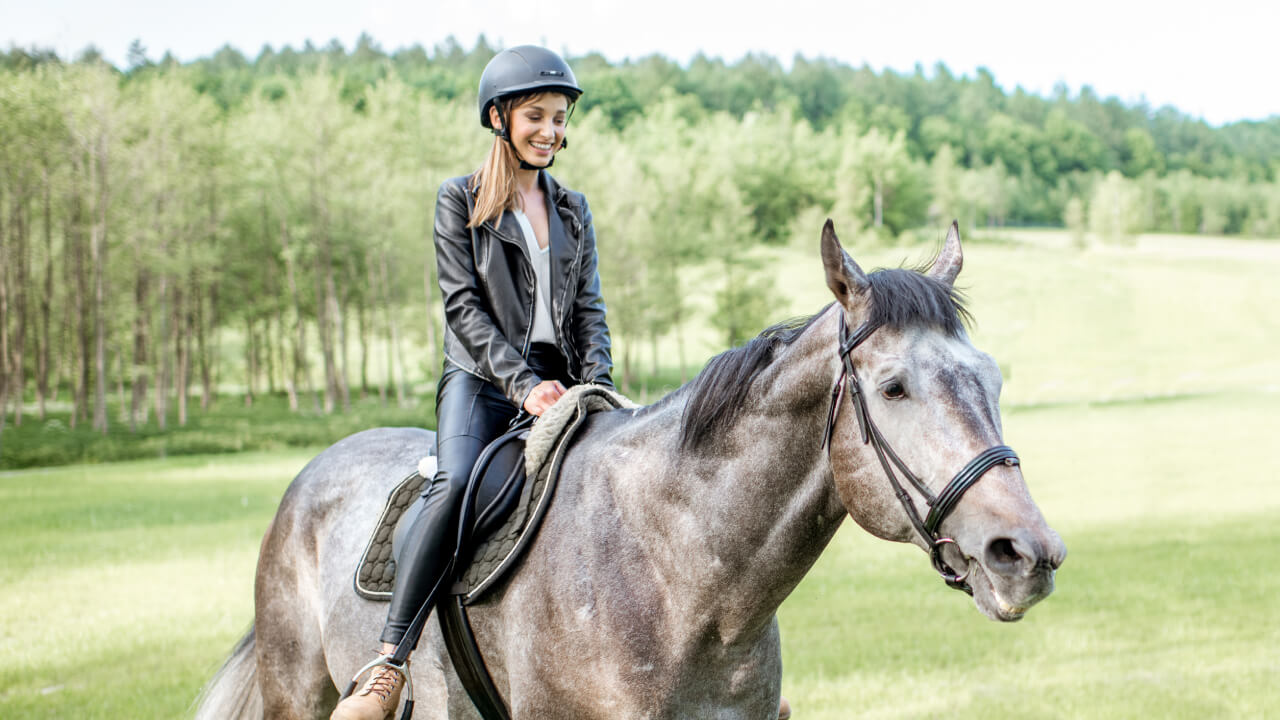
Of course, giving signals at the right timing is important, but maintaining correct posture on the horse is equally crucial. If your posture is off, it will hinder the horse’s movement.
Balance yourself to avoid leaning to one side, sit firmly on the saddle, and keep your sit bones upright. Keep your shoulders relaxed, open your chest, and sit confidently. Tension or excessive force can make the horse uneasy and affect the walk, so it’s essential to stay relaxed.
Summary
As discussed, the walk is the most basic gait. Without mastering the walk, progressing to trot or canter is impossible.
While some may think that giving clear commands for the walk is easy, understanding its purpose and being able to command the walk correctly are necessary to consider it mastered.
If you want to improve your riding skills, it’s best not to neglect the fundamental walk.