
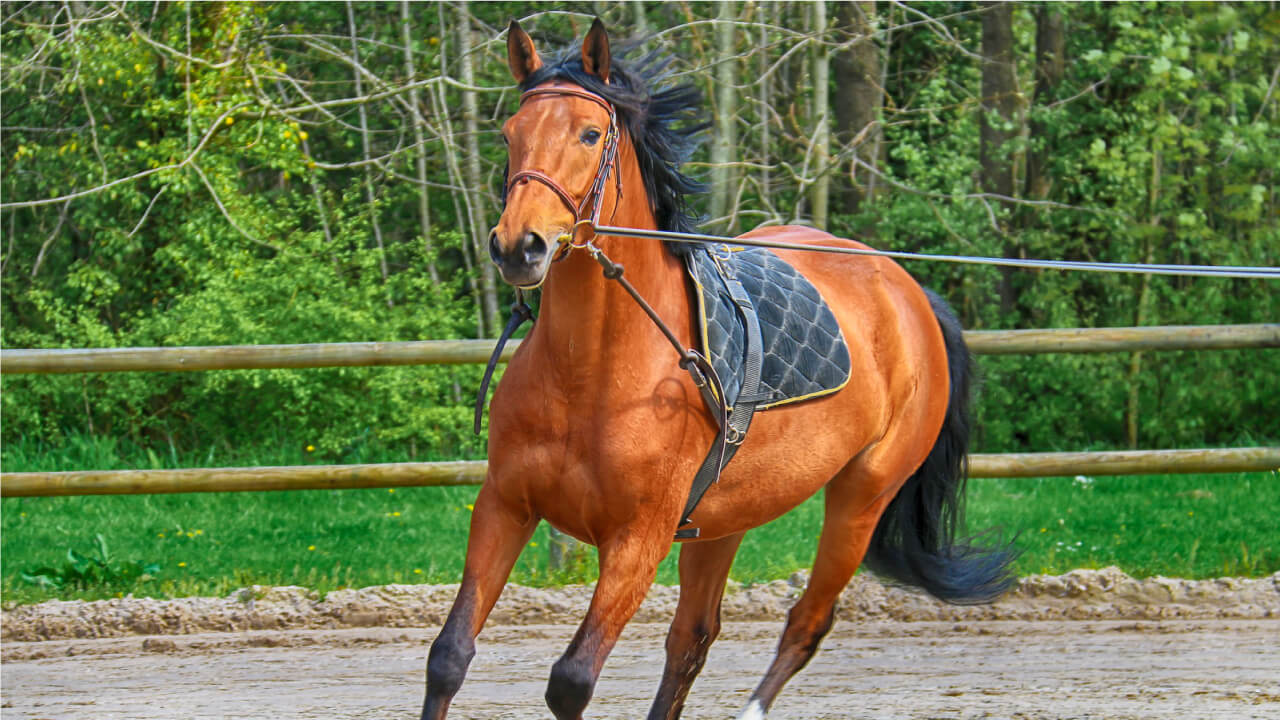
You may have seen horses rolling on the ground or in videos, but do you know why horses do this? There are several reasons! Here, we explain the various motives behind this behavior. Additionally, if a horse suddenly starts rolling during riding, it can be very dangerous and problematic. We will also discuss countermeasures for such situations.
What Is Ground Rolling?
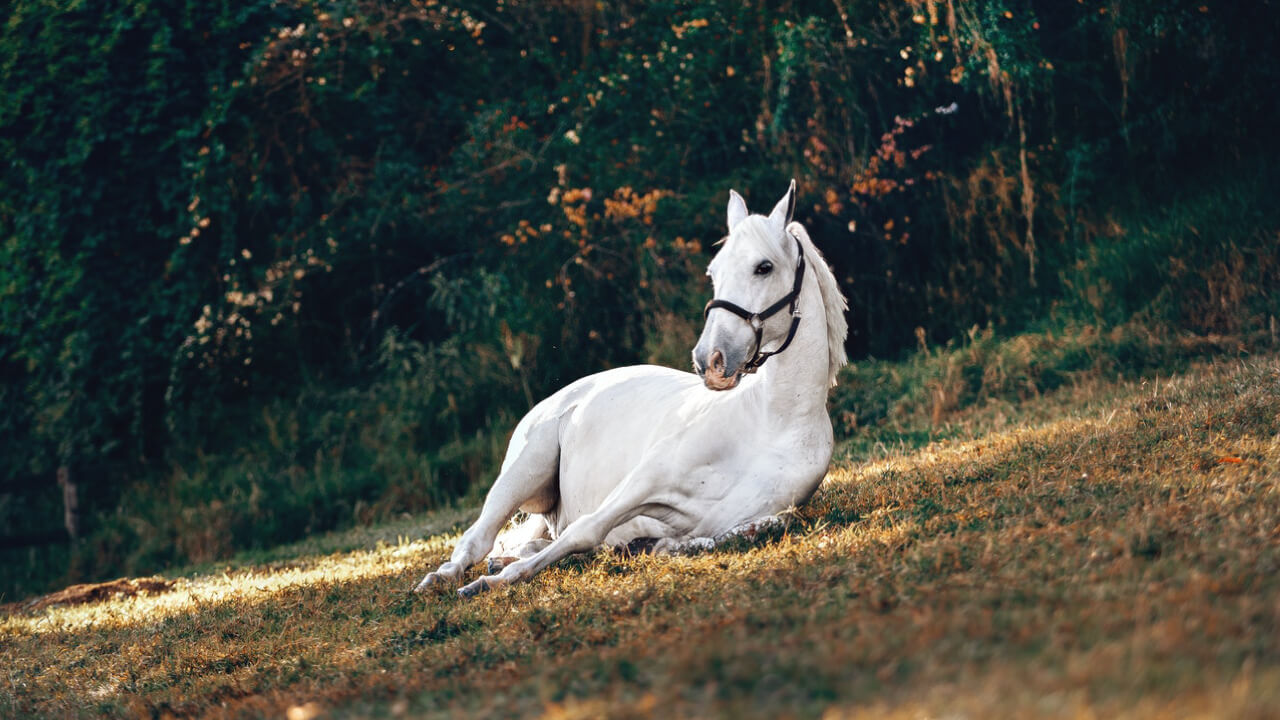
Have you ever seen a graceful, beautiful horse lying on the ground and rolling around? It’s hard to imagine a herbivore that might be preyed upon by predators doing such a behavior, but horses do sometimes engage in playful rolling. This playful behavior, often observed after exercise or relaxation, is called ground rolling. They choose soft, comfortable places to lie down, then roll over and rub their bodies against the ground. Sometimes, horses even roll in puddles or mud, which can lead to dirt or mud play.
Ground rolling is not exclusive to horses. Birds, for example, also take dust baths as a means to clean and care for their feathers, removing parasites and drying wet feathers. So, what are the purposes of horses’ ground rolling?
To Remove Parasites or Dirt from the Skin
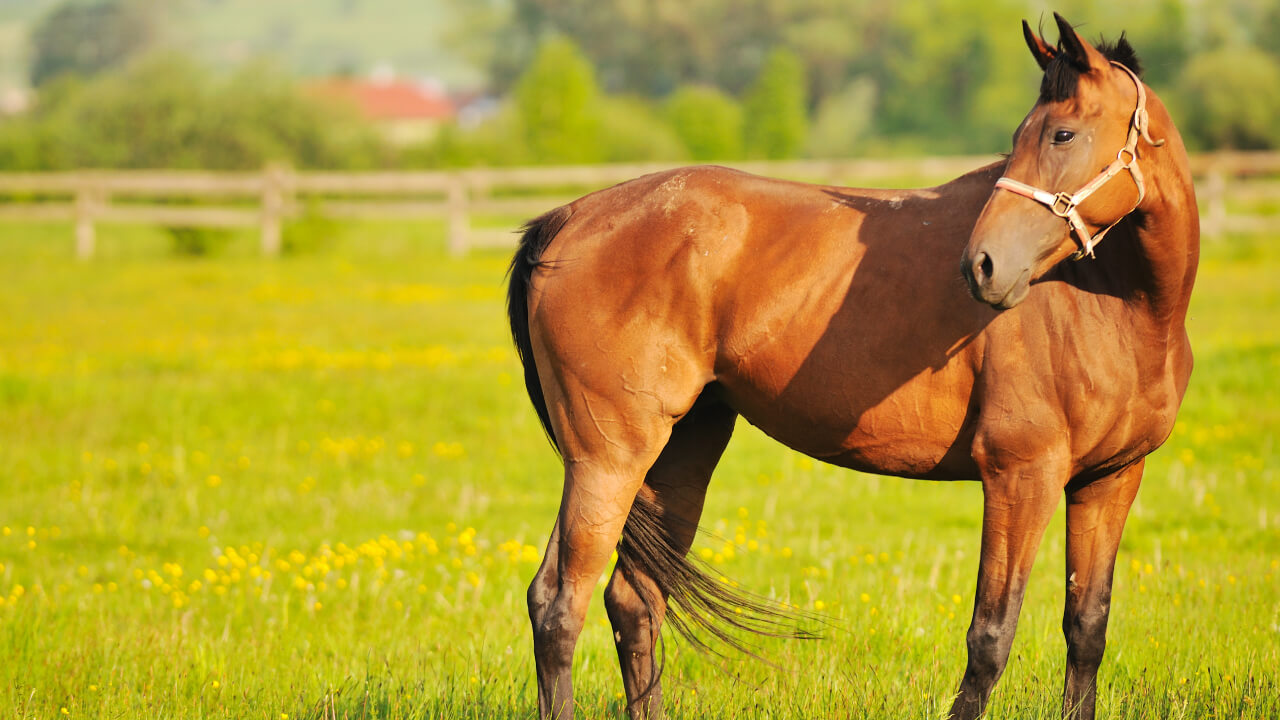
Horses roll in the dirt or mud to remove parasites on their skin and to clean sweat and dirt. Why do they do this?
To Remove Parasites
It is said that horses use ground rolling to remove parasites from their skin. Since horses cannot scratch itchy spots themselves, they rub their bodies against the ground. Parasites are a concern even for horses in clean, managed environments, and infections can occur. If a horse is infected, it may suffer from colic, loss of appetite, anemia, or diarrhea. Early veterinary consultation can address these issues, but prevention through regular deworming and natural behaviors such as rolling are also important.
To Remove Dirt and Sweat
Horses also sweat during exercise and can get dirty with mud or dust. Rolling in the ground helps them clean off these impurities. While it might seem counterintuitive, horses often roll in the dirt to absorb dust and dirt into their bodies, which can help in cleaning sweat and dirt. Even after grooming or bathing, horses may continue to roll, indicating that the behavior serves multiple purposes beyond parasite removal and cleaning.
Stress Relief
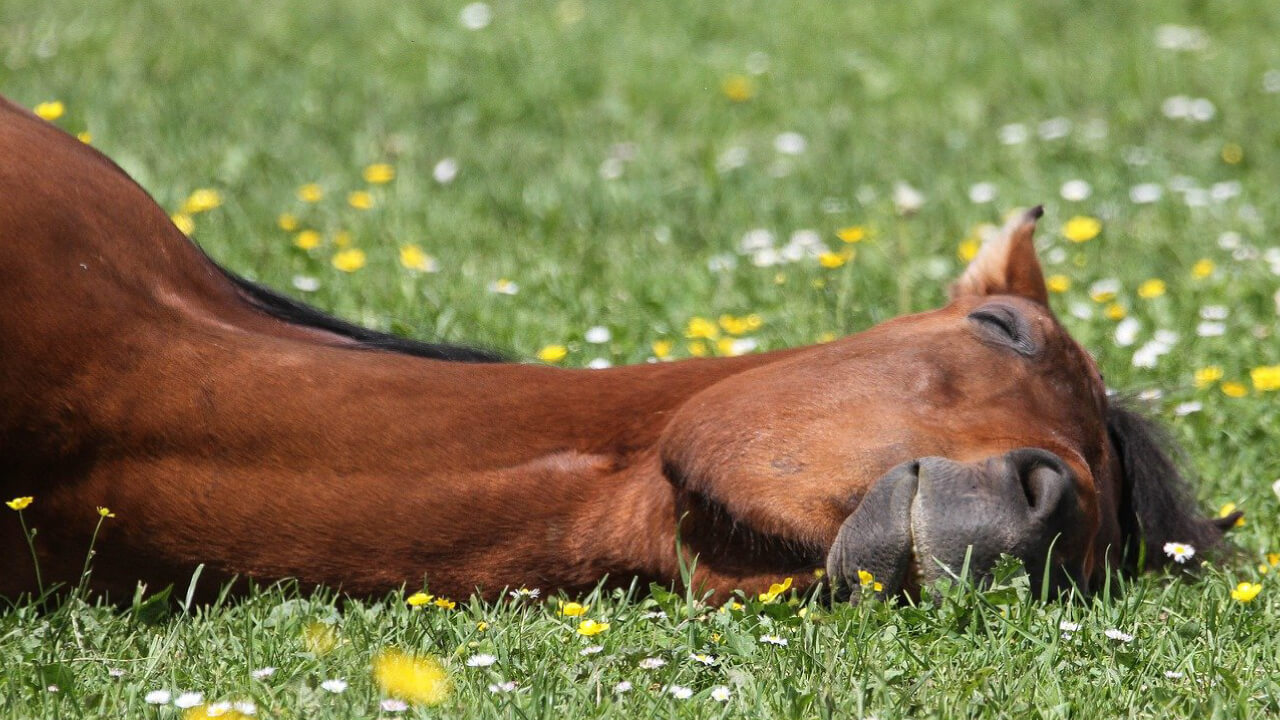
It is also believed that ground rolling provides stress relief for horses. Just like humans, horses can experience stress from social interactions or workload. They relieve stress through activities like walking, relaxing in large fields, or engaging in behaviors like rolling in the dirt. Knowing how horses experience stress and how they manage it can help foster a better relationship and understanding.
Horse Stress
Horses are delicate and timid animals. They can become stressed even from simple things like unfamiliar people approaching or new riding routes. Both riding horses and racehorses live stressful lives — managed by humans, trained, raced, and ridden. They often spend most of their day alone in small stalls, which can be very stressful for herd animals. Sometimes, horses are transported by horse-drawn carriages, causing weight loss from travel. This stress can be hidden behind their gentle appearance, and up to 80% of racehorses may suffer from stomach ulcers due to stress. Building trust through gentle handling and stress reduction activities such as rolling and grazing can improve their well-being.
Stress Relief Activities
To reduce stress, horses benefit from pasture grazing, relaxing rides in familiar routes, and activities like ground rolling. Similar to humans enjoying open spaces like beaches or parks, horses find relief in the freedom to move and relax. These activities help them to refresh both physically and mentally. For some horses, even familiar routes can cause tension, but gentle outdoor walks can help them unwind. Rolling, which also removes sweat and dirt, might feel like a soak in a mud bath for horses. Understanding these behaviors can bridge the connection between humans and horses and improve mutual trust.
Horse Ground Rolling Videos
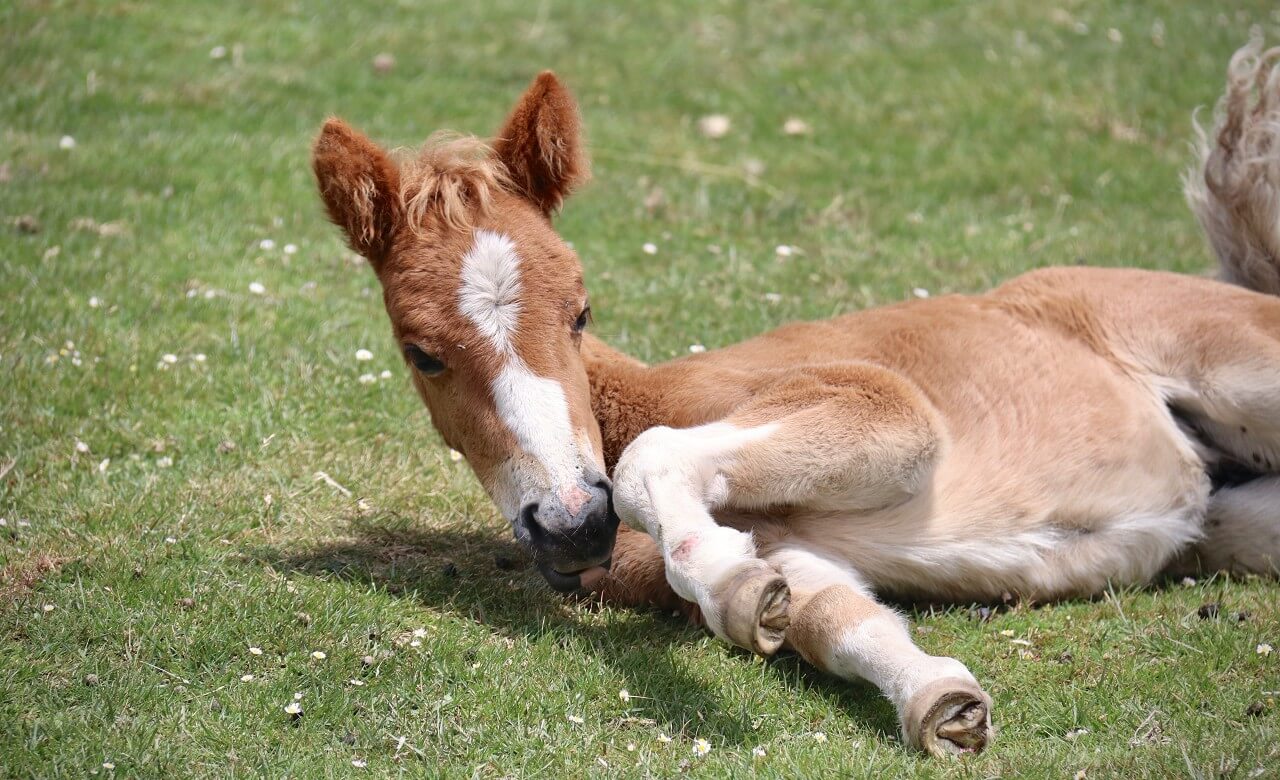
If you’re interested, there is a video of a horse rolling in the dirt uploaded by Holoshiri Riding Club, which is listed on our riding club search. The horse’s content expression is a must-see. Please check it out if you’re interested.
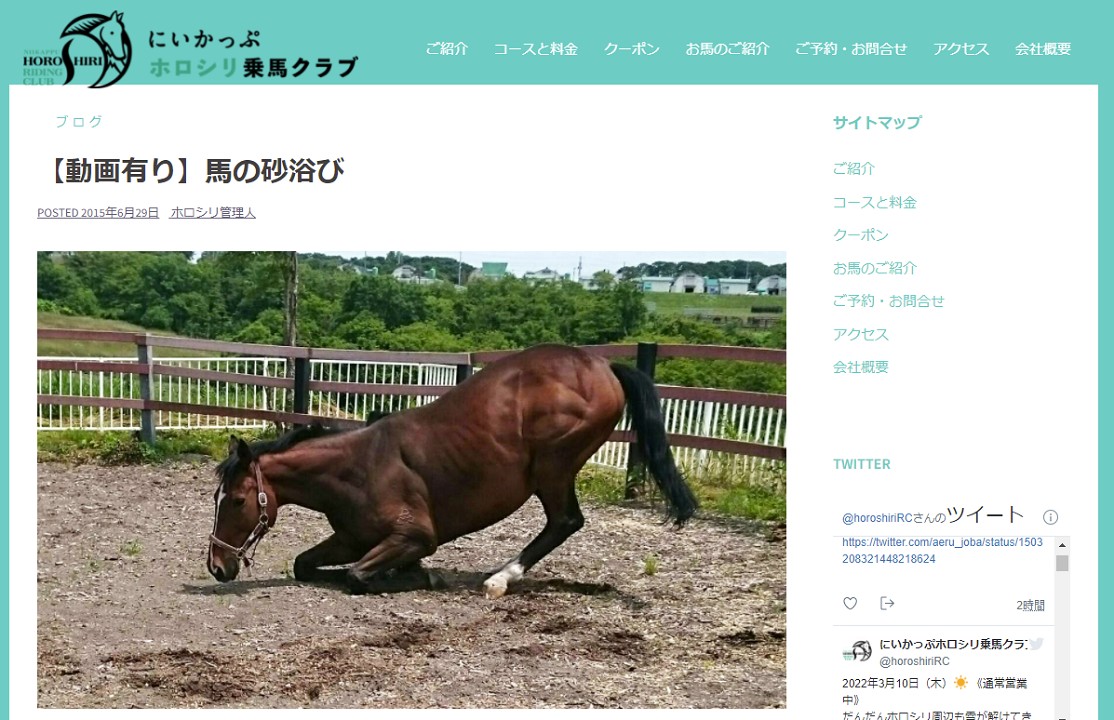
Screenshot: Holoshiri Riding Club [Video] Horses’ Ground Rolling
Danger of Ground Rolling During Riding! How to Prevent Horses from Rolling While Mounted
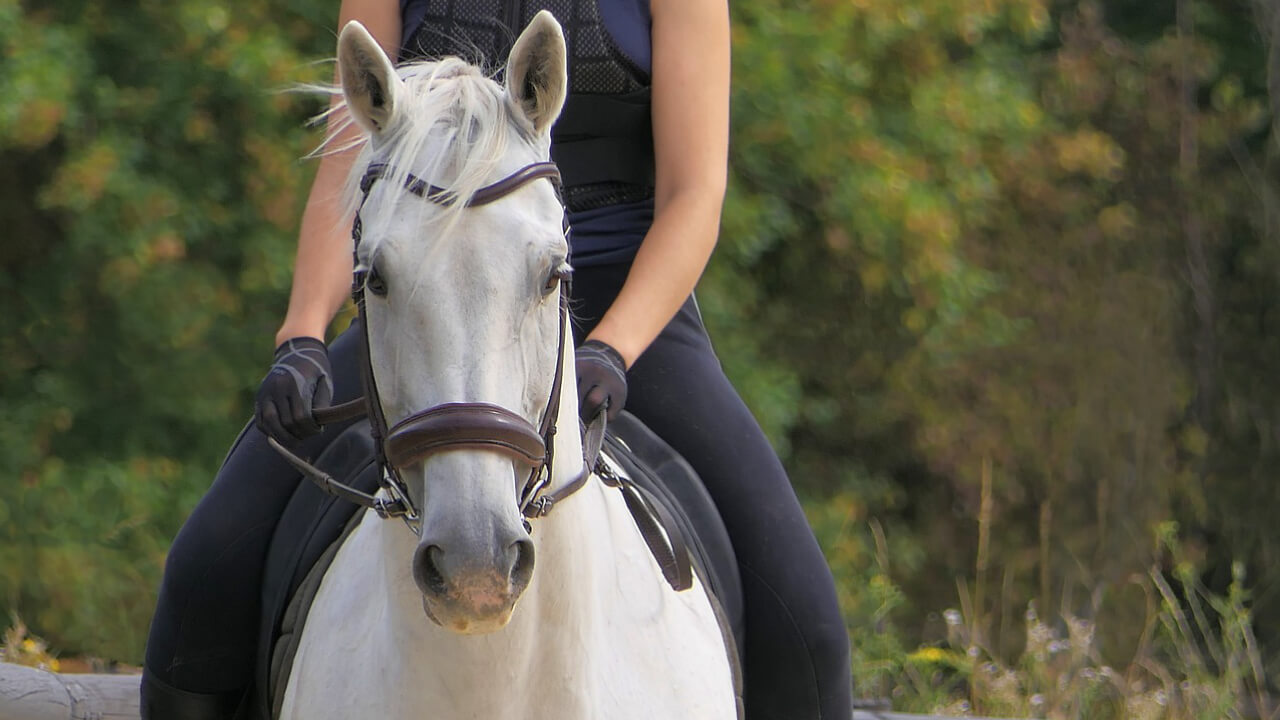
Ground rolling is also a stress relief and playful behavior for horses. While it is natural and beneficial for them, it can be dangerous during riding. It’s essential to prevent horses from rolling while they are mounted to ensure safety.
Why Is Ground Rolling During Riding Dangerous?
If a horse starts rolling during riding, it can cause falls, entrapment, or injuries. Imagine a horse rolling over in the middle of a ride — the horse may fall, get caught in the rider’s equipment, or be dragged, leading to serious accidents. Given that the average thoroughbred weighs around 400-500 kg, such a fall can be very dangerous. Always be aware of this risk and take precautions to prevent it.
Tips to Prevent Rolling During Riding
While riding, the rider must control the horse. Here are some tips to prevent the horse from rolling inappropriately:
Keep the Horse’s Head Up
Horses prefer soft, loose ground for rolling, so they often check the terrain before acting. To prevent them from lying down unexpectedly, keep their head raised. This helps avoid premature sitting or lying down, reducing the risk of accidents.
Maintain the Horse’s Focus
Sometimes, a horse’s focus can lapse even during riding or waiting. To remind them of your presence, gently shake the bridle or lightly tap with your legs, but avoid signals that initiate movement. Observe your horse closely, especially during waiting periods, to catch signs that they are losing focus — such as hanging head, distracted behavior, or less movement in the back. Recognizing these signs can help you intervene early to maintain focus.
Summary
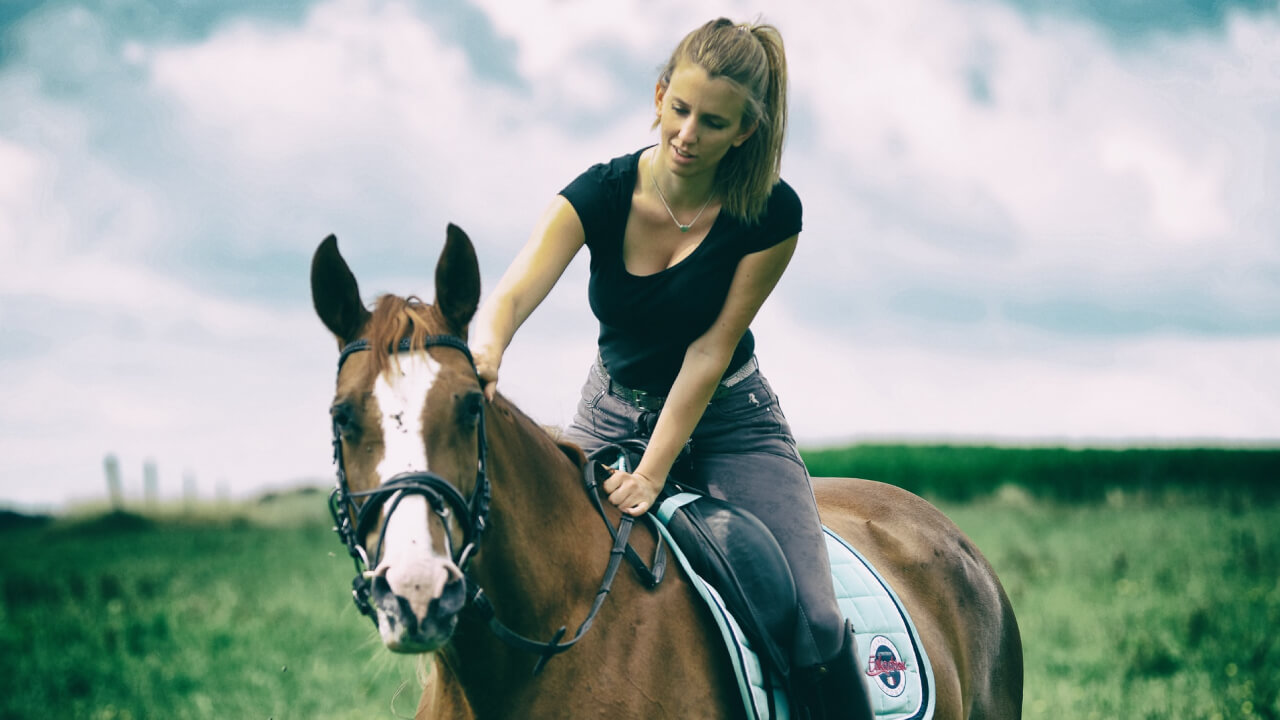
In conclusion, ground rolling among horses serves various important purposes, including parasite removal, cleaning sweat and dirt, and stress relief. However, riding while a horse is rolling is dangerous. Always stay vigilant and prevent your horse from rolling during rides for safety.