One common concern when starting horseback riding is how to handle a horse that doesn’t listen. Should you scold it? Try to appease and coax it? Feeling anxious when your horse doesn’t obey can be frustrating, and figuring out what to do makes the situation even more confusing.
In this article, we’ve compiled essential points to help you build trust and communicate effectively with your horse.
Clear Vision and Precise Commands
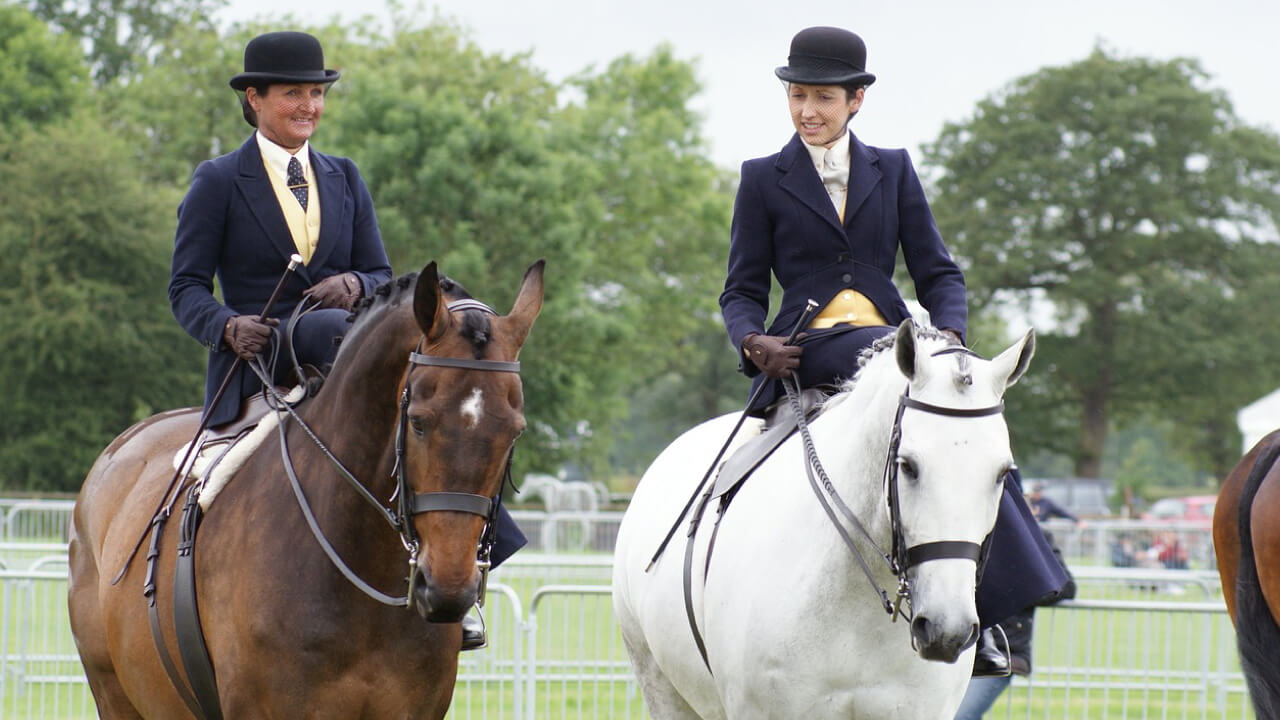
Most horses we see—whether racehorses, carriage horses, or those living on farms or riding clubs—are animals with whom humans have developed a relationship of trust.
While it’s heartwarming to see this trust, starting to ride often reveals issues like the horse not responding or not following commands as expected.
Horses are living beings with emotions—they can feel unwell or irritable. However, if they constantly ignore commands or disrespect you, riding becomes unmanageable.
We’ll explain the key points in building a trusting relationship with your horse for a more enjoyable riding experience.
Do You Have a Clear Vision?
Before a horse naturally accepts humans aboard, the human must establish themselves as the leader. This leader must have a clear vision and specific goals when giving commands. Think of it as a workplace: a manager with a clear vision who communicates effectively creates a productive environment. Conversely, unclear commands and changing instructions lead to mistrust and frustration, which can cause your horse to ignore or challenge your authority.
Therefore, having a clear vision as the leader—whether you’re the trainer or the rider—is crucial. This includes anyone involved in managing or riding the horse.
Commands Must Be Clearly Communicated
Even with a clear vision, horses won’t respond unless commands are explicitly communicated. Properly delivering commands—especially for beginners who may lack confidence or strength—is vital.
Remember, humans are the leaders. Maintain a confident attitude and give precise, unambiguous commands to ensure understanding and cooperation.
Maintaining a Firm and Respectful Attitude
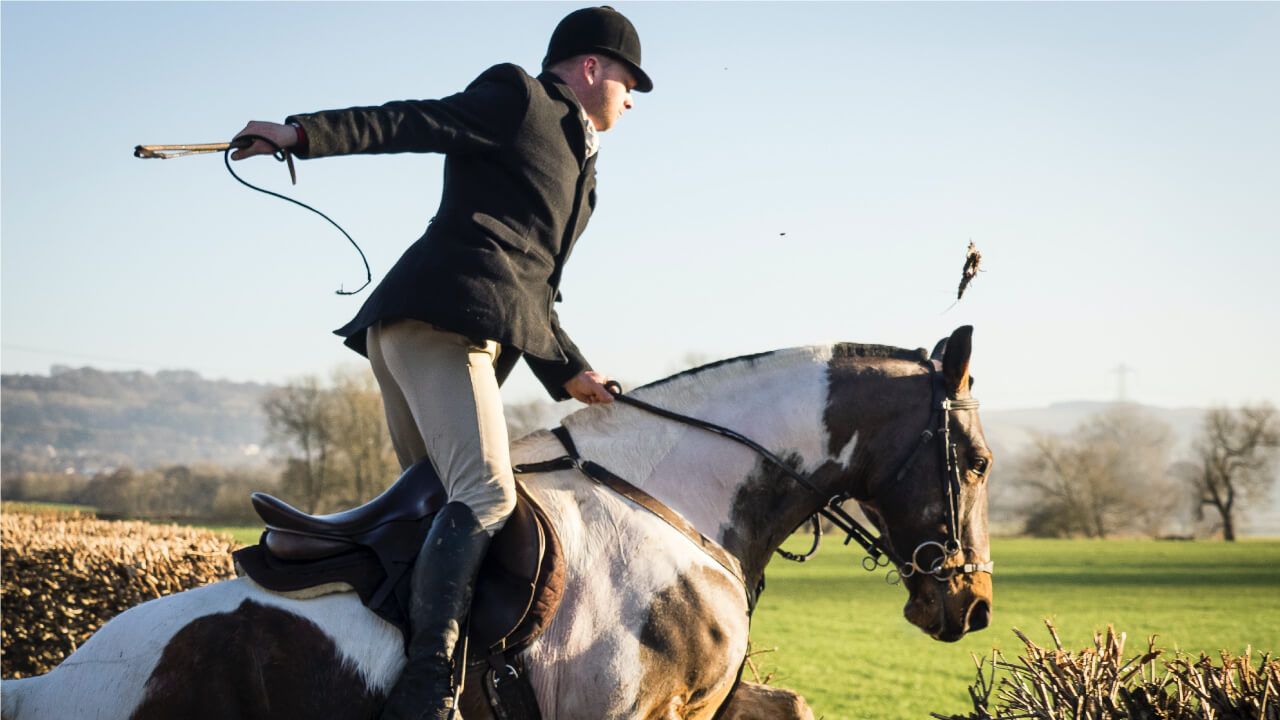
Horses have emotions—they want to play or rest just like humans. But firm boundaries are essential.
During riding, if you feel the horse isn’t listening, it’s necessary to respond assertively with, “That’s not it!”
Despite their size, humans are the leaders. To avoid being disrespected, adopt a confident and firm attitude.
Consistent Approach and Training
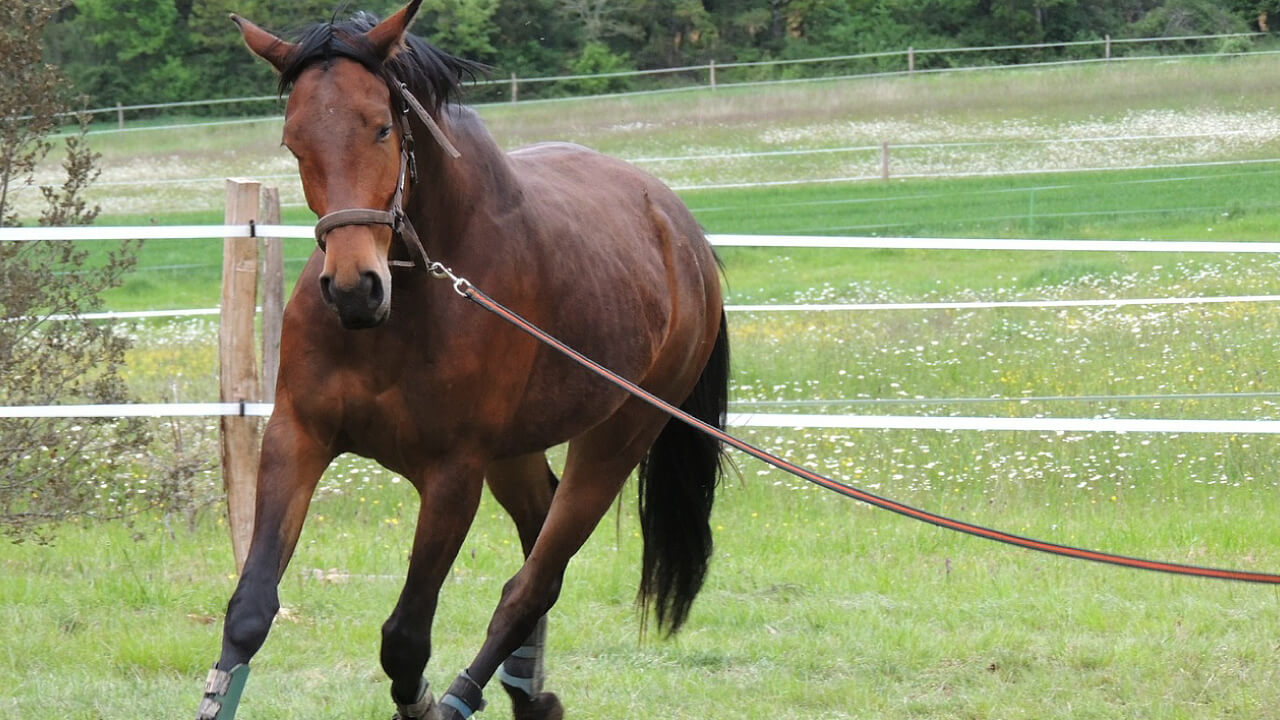
Horse training begins with consistent handling. For example, teaching the horse to stand still, be groomed calmly, follow commands, and accept saddle and rider.
Proper training follows a step-by-step process, avoiding confusion and ensuring comfort for the horse. Additionally, individual horses learn at different speeds; some pick up quickly while others progress more slowly.
Training should typically be completed by around age 3 (roughly 12 in human years).
Advanced Training Techniques
Beyond basic training, advanced skills include responding to commands in complex environments—like moving independently in a herd or stopping abruptly from a canter, or switching quickly between gaits. These require precise, sequential training.
Horsemen also use varied aids—such as leg pressure, rein cues, or weight shifts—to communicate with the horse, each eliciting different responses. Until advanced skills are mastered, consistent, thorough training remains essential for building mutual trust.
Specialized Disciplines
Horses excel in various fields like racing, dressage, show jumping, endurance, and carriage driving. Each discipline demands specialized training tailored to its unique requirements. Enhancing skills in these areas involves further targeted training.
Never Use Force or Threats to Control Your Horse!
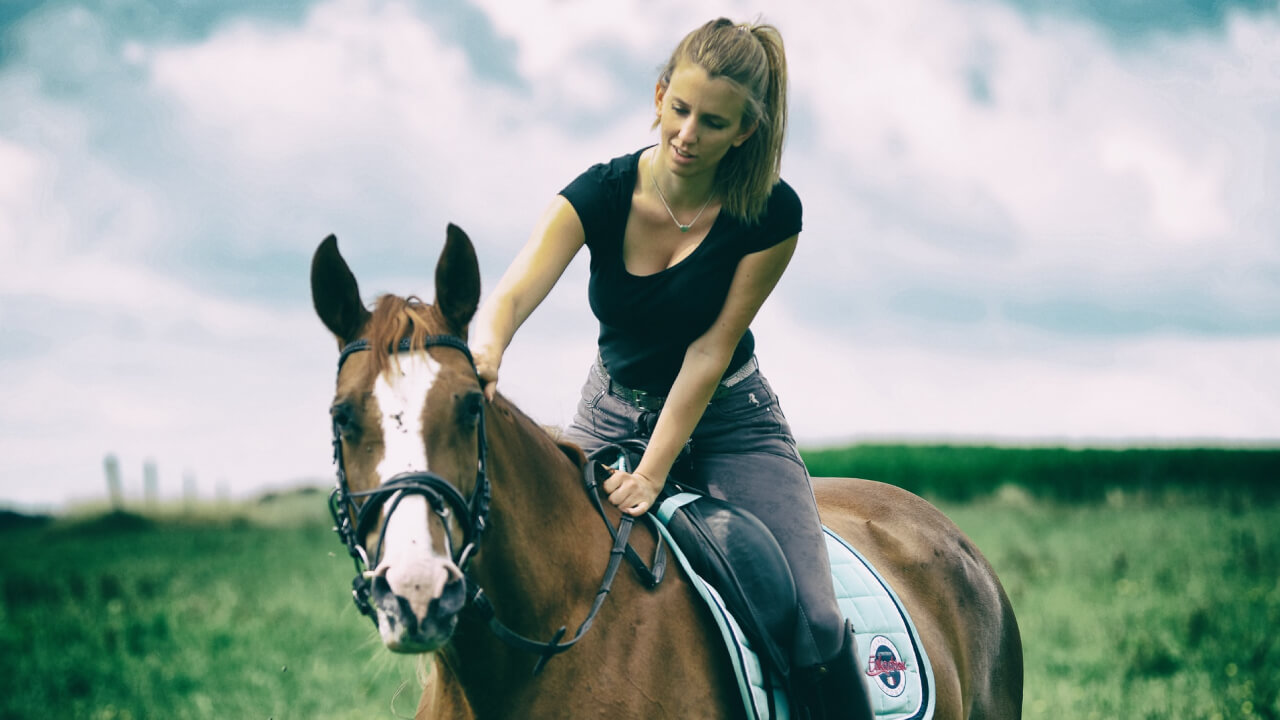
Training horses without using force or threats is essential. Children’s discipline also teaches that using fear doesn’t produce respect.
Using threats like “If you don’t sleep early, the ghost will come,” or “If you don’t tidy up, I’ll throw away your toys,” may seem effective temporarily, but it doesn’t cultivate true understanding or respect.
Explain why children need to sleep early or tidy up. Similarly, with horses, respectful and trusting training methods are vital.
Build Trust
If you continually whip your horse, it might move out of fear. But what happens when the whip is gone? Likely, the horse stops responding.
Humans don’t want to push horses to run solely by force. Mutual trust is essential for smooth communication and cooperation.
Always avoid threats or force. Instead, teach patiently, reward progress, and foster trust. Like performing tricks, horses need thousands of repetitions to master commands.
Teach ‘Good’ and ‘Bad’ Appropriately
Teaching the horse to understand what behaviors are acceptable or unacceptable is crucial, even if they don’t understand words. Expressions, voice, and actions convey these lessons effectively.
For example, reward good behavior with a relaxed expression, gentle voice, and affection. When misbehaving, use a firm tone and serious expressions. Continue applying pressure until the horse responds appropriately.
If commands are not understood, tools like whips or restraints can be used temporarily. However, the goal is for horses to internalize commands through consistent repetition and positive reinforcement, even without these aids.
Extra Aspects of Training
While social interactions and trust-building are key, horses also need social experience to respond to human commands reliably.
They are sensitive and nervous animals, so they must get used to various sounds like cars, construction, fireworks, or guns. These experiences are part of socialization, not formal training.
This helps horses become accustomed to human environments, making them more manageable and confident in diverse settings.
Summary
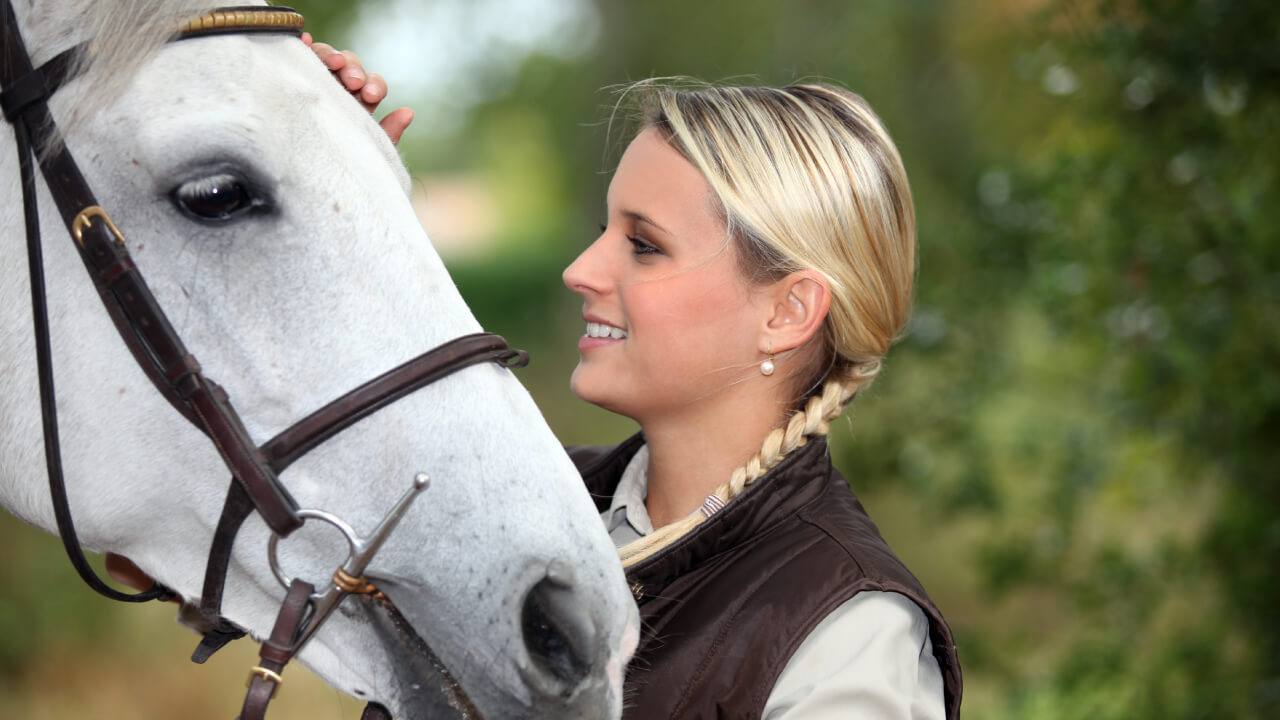
While starting riding may lead to some horses showing disrespect, horses recognize humans as leaders.
To ensure respectful communication, it’s vital to maintain a confident stance and provide clear instructions.
If you feel your horse is disrespectful, review your relationship and command style to improve mutual understanding.