
Large horse legs are not covered with fur like dogs or cats; instead, they feature impressive hooves. Applying horse hoof oil (theyuyu) makes them shine like a manicure.
However, hoof oil’s role is not just cosmetic; it also protects and maintains the quality of the hooves. We’ll explore its specific benefits and best application methods.
What is Hoof Oil?
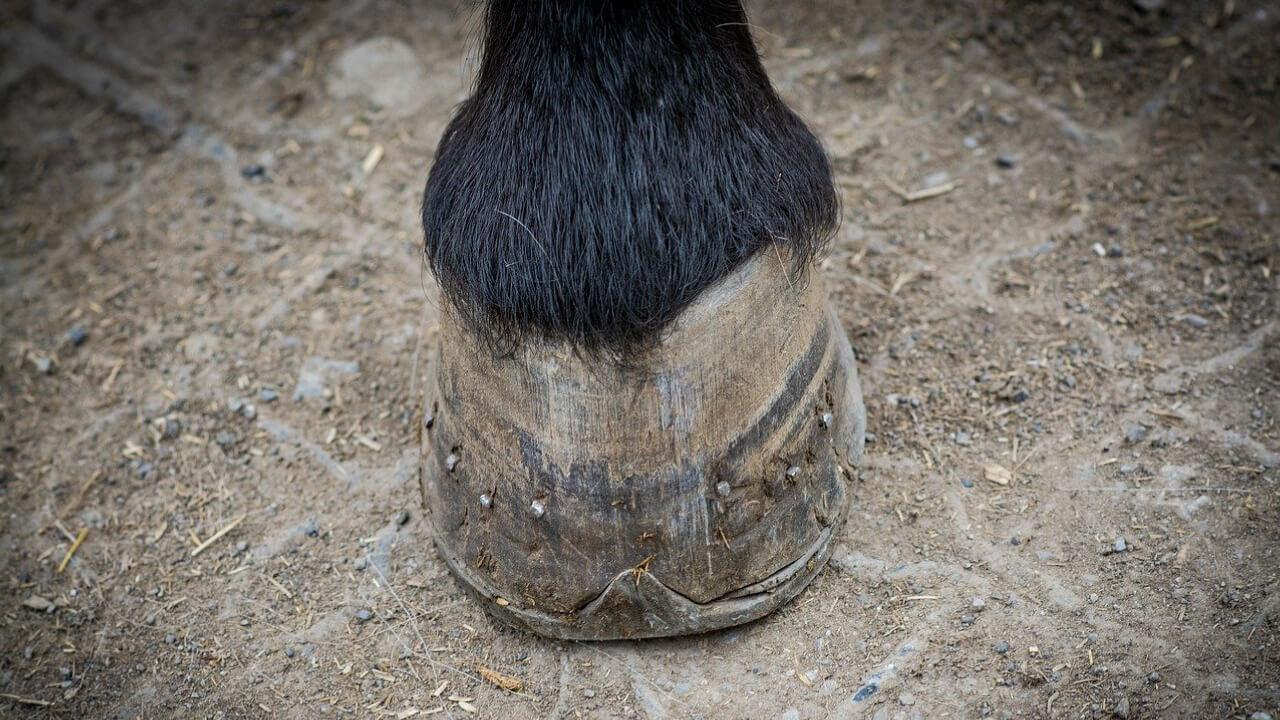
Hoof oil is essential for hoof care. It makes the hooves shiny and visually appealing, but it’s also a deep-care product.
Originally used to protect hoof health, some equestrians also use it to enhance the beauty of their horse’s feet, especially in show or competitive settings.
The ingredients vary, including horse oil, liver oil, petroleum jelly, tea tree oil, spindle oil, and tar oil. Some products are made from natural ingredients safe for human use or suitable for caring for not just hooves but also manes and tails.
Why is hoof oil such a familiar and vital care product for horses? Let’s look at its main purposes.
Why Apply Hoof Oil?
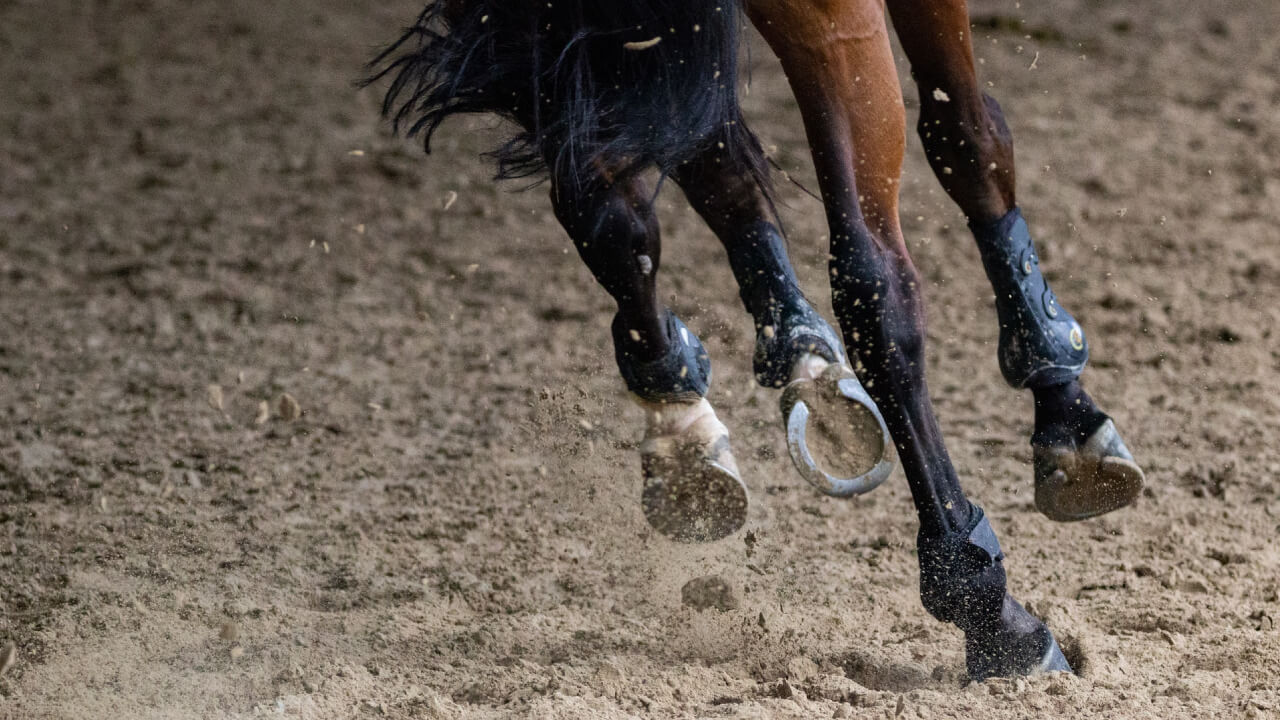
Herbivorous horses must escape predators quickly, often needing to run fast and far. As a result, their body and hooves have evolved for speed.
The outer layer of the hoof is keratinized, just like human nails, providing durability and protection. This keratinized hoof is crucial for attaching horseshoes without pain, but cracks or splits can be serious issues.
The hoof, often called the horse’s second heart, requires careful maintenance to stay healthy. Hoof oil plays a key role in this.
Functions of Hoof Oil
Hoof oil is mainly applied for two reasons: to prevent dryness and to protect against dirt. Let’s examine these functions in detail.
Moisturizing
Just like human nails, horse hooves can crack and weaken if they dry out. Excessive dryness can cause splits, cracks, and tears. When cracks reach sensitive areas, they cause pain and bleeding, affecting the horse’s gait.
Since the hooves help return blood to the heart, poor hoof health can impact the horse’s overall condition.
Maintaining proper moisture levels with hoof oil is vital for preventing dehydration and damage.
Protection Against Dirt
While dryness causes cracking, too much moisture is also harmful. Applying oil creates a barrier, preventing excess water and dirt from adhering to the hoof.
This helps avoid diseases like thrush, where dirt and bedding accumulate, causing decay and bad odor through fungal infection of the frog (the V-shaped part of the hoof).
Maintaining cleanliness and applying hoof oil appropriately prevents such problems and keeps the hooves healthy.
When Should You Apply Hoof Oil?
Applying hoof oil is essential for hoof care, but it serves multiple purposes. The timing depends on your specific goal, whether moisturizing or preventing moisture loss. Here are the best times to apply based on your needs.
For Moisturizing
Many trainers apply hoof oil after exercise or cleaning the hooves, when they wash the feet at the wash stall. This is a good moment to lock in moisture, much like moisturizing skin after a bath.
Applying after cleaning prevents the hooves from drying out, maintaining softness and health.
For Reducing Moisture
While dry hooves are less prone to cracks, overly moist conditions weaken the hoof structure.
Water absorption makes the hoof softer and more prone to damage, especially in horses that stand in wet environments or during rainy days.
To prevent excess moisture, applying hoof oil before riding or turnout can repel water and keep the hooves dry.
Precautions for Applying Hoof Oil
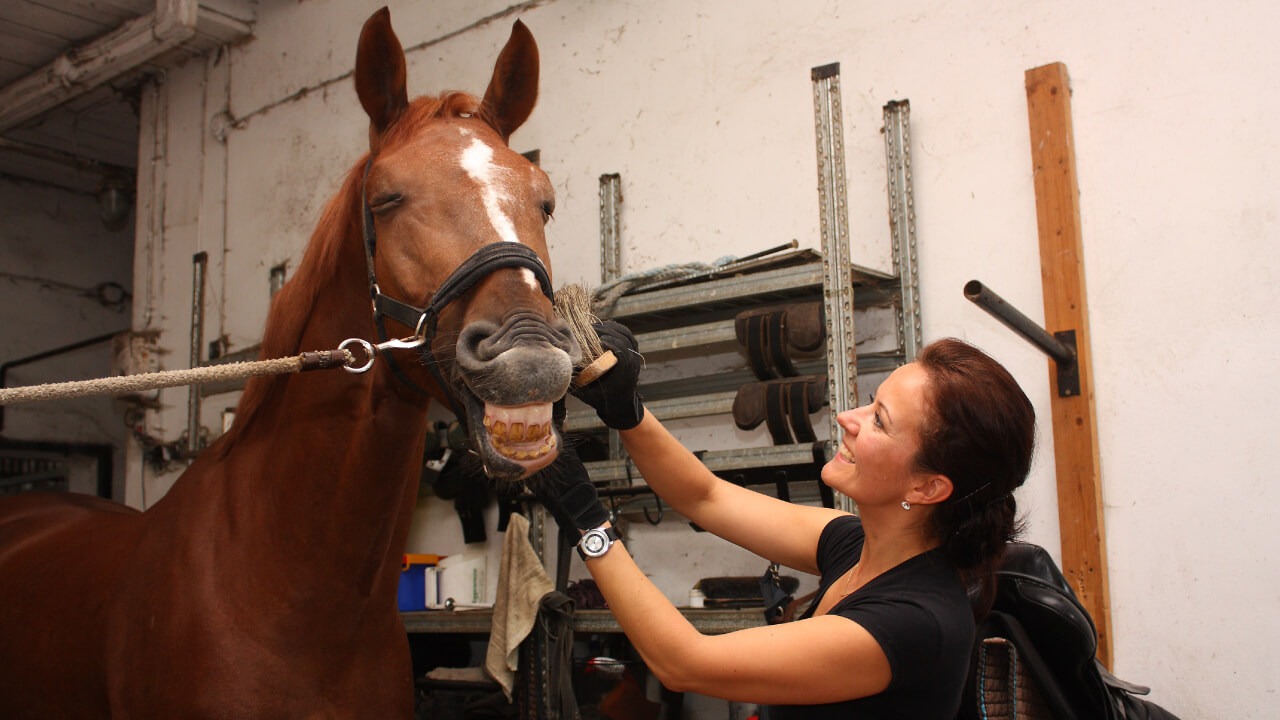
Horse hooves are not uniform; the outer wall and the sole have different properties. The outer hoof wall releases moisture, while the sole absorbs water.
When applying hoof oil, consider the purpose and location: to prevent dryness, apply to the wall; to prevent dirt and water ingress, coat the sole.
Handle the horse carefully when lifting its legs for application. Confirm with your instructor if unsure about the appropriate timing or method, especially since improper application can cause problems, such as making the hoof weaker if water is retained during application.
How to Prepare and Apply Hoof Oil
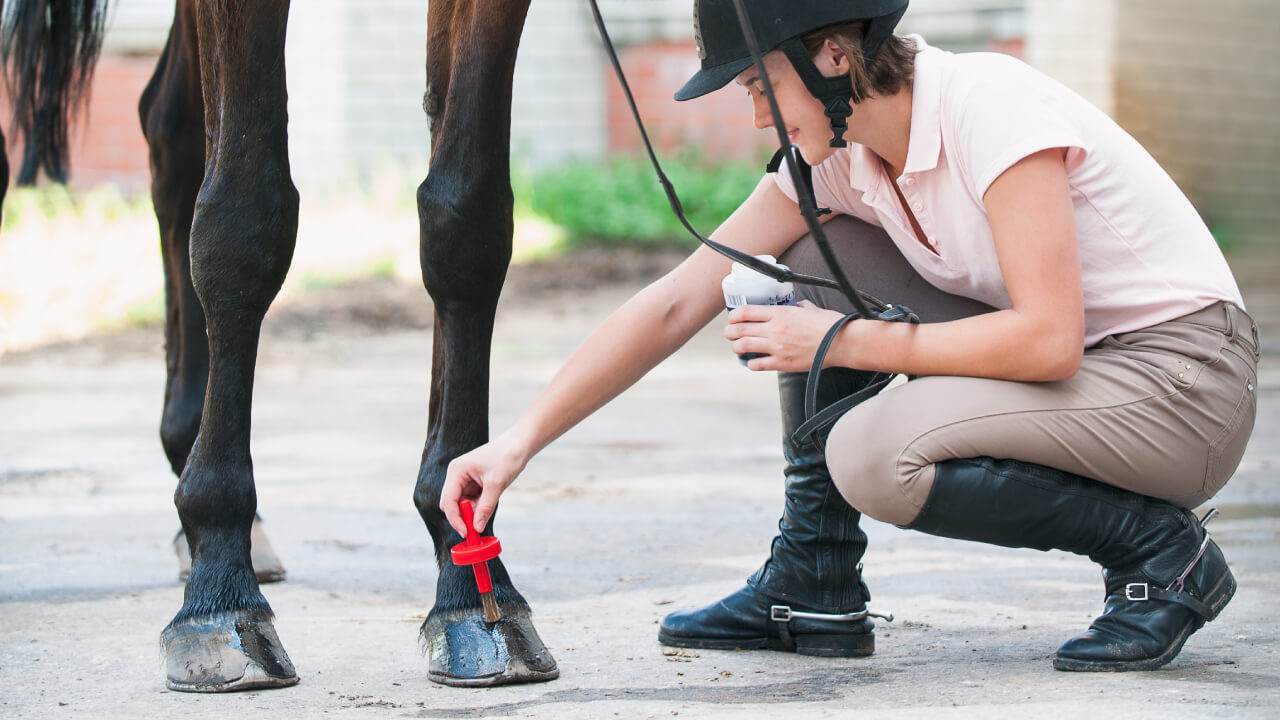
First, clean the hooves thoroughly before applying hoof oil. Use a brush or hoof pick to remove mud, manure, and debris from the sole and around the hoof wall. ;
Have the Hooves Been Cleaned?
If you apply hoof oil to dirty hooves, dirt and debris will be sealed in, potentially causing infections like thrush (hoof rot). Make sure to lift the hoof and clean the sole and wall carefully. Use a hoof pick or brush to remove any mud, straw, stones, dirt, or manure.
Be mindful of water temperature: warm water can make the hoof absorb more water and become soft and swollen. Use cold water instead, especially in winter.
Applying Hoof Oil
Use a brush or hoof oil applicator to spread a thin layer evenly over the entire hoof. Earlier, we used to avoid applying oil near the edges due to concerns about harmful components, but today, high-quality hoof oils pose no such risks.
When lifting the horse’s leg for application, be cautious to keep your own safety in mind until the leg is back on the ground.
Summary
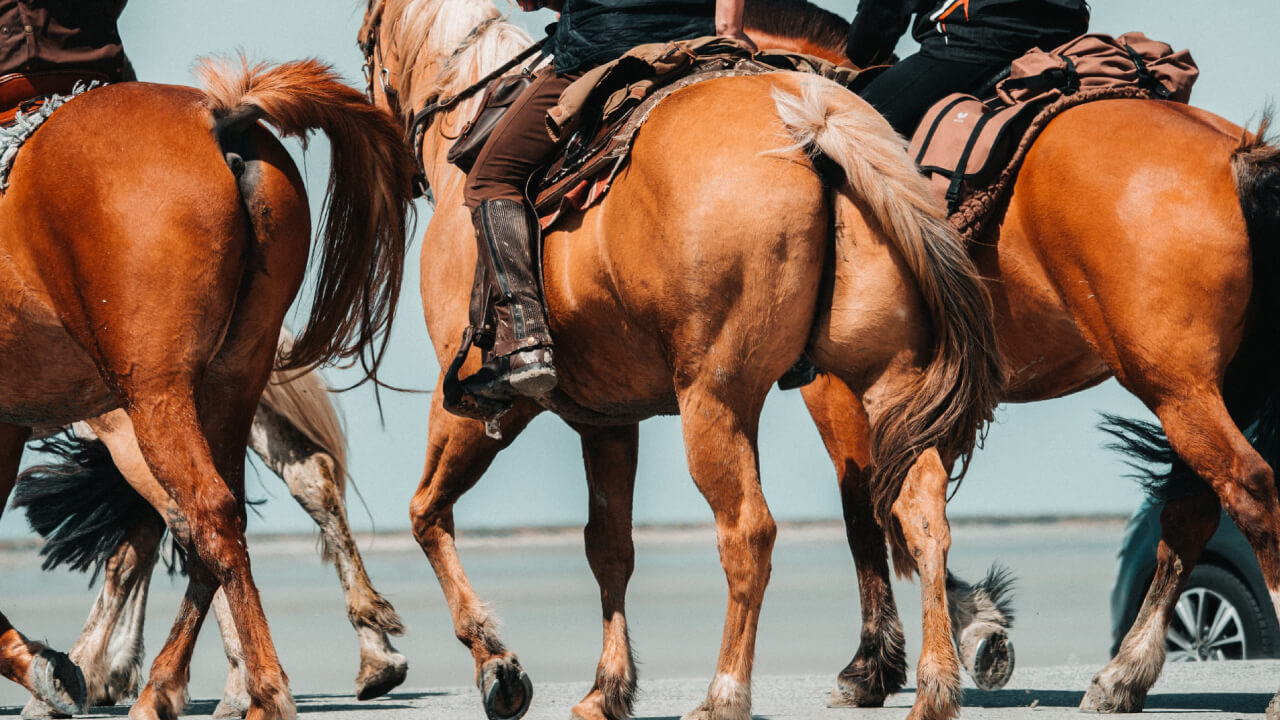
Hoof oil is like a manicure for horses, making their hooves shiny and healthy. It’s a vital care product that supports the horse’s strength and speed. The evolved hoof, which is crucial for running fast and supporting a large body, must be properly maintained. The application method depends on the specific purpose; improper use can cause problems, so always handle your horse carefully and consult with a professional if unsure. Keep the hooves clean and use hoof oil appropriately to maintain strong, healthy hooves that are vital for horse health and performance.