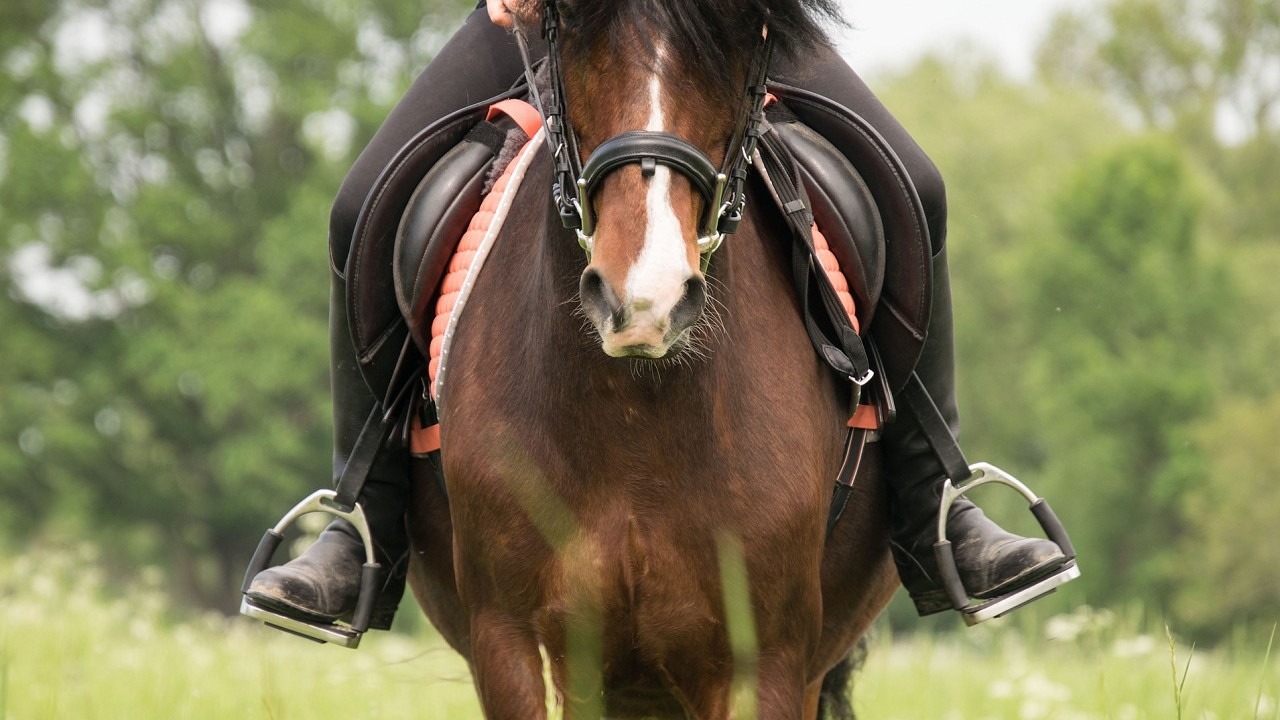
Have you ever seen a horse bleed from the nose? Given the large, distinctive shape of a horse’s nose, a nosebleed is quickly noticeable.
Compared to human nosebleeds, horses can bleed in much larger volumes, which can be startling and worrisome for observers. But what does nosebleed mean for a horse, and what causes it?
This article explains everything about equine nosebleeds.
Why Are Equine Nosebleeds and Bleeding Serious?
When people hear ‘nosebleed,’ they might imagine injuries or illnesses or even nosebleeds caused by heat exhaustion, which can be more common among certain individuals. So, it may not seem very serious.
However, for horses, nosebleeds are quite serious. Horse nosebleeds are called ‘epistaxis,’ where blood flows out from the nostrils. While you may not see many horses with nosebleeds at riding clubs, you might have seen a racehorse with a nosebleed during a race.
If a horse suddenly develops a nosebleed without any contact with other horses, it might be confusing. Nosebleeds in horses are not simply due to heat exhaustion; they are symptoms of underlying health issues.
Moreover, given the anatomy of horses, nosebleeds can be life-threatening. Horses breathe through their noses — this is not a matter of convenience but a built-in feature as horses cannot breathe through their mouths.
The nose and mouth are distinctly separate pathways to prevent choking. If a horse cannot breathe through its nose due to a nosebleed, it could be life-threatening.
Causes of Nosebleeds
The main causes of equine nosebleeds are threefold: trauma, fungal infections, and lung hemorrhage. Let’s go into detail for each cause.
Trauma
Traumatic nosebleeds occur when a horse hits or injures its nose. This is similar to human nosebleeds, and it usually stops quickly with treatment, so it’s generally not serious or recurrent.
Fungal Infection
A fungal nosebleed happens when fungi invade the horse’s body. Maintaining a clean environment, providing nutritious feed, and regular exercise are essential. However, using damp or moldy hay or straw as bedding can promote mold growth, infect mucous membranes and capillaries with fungi, and lead to nosebleeds.
Lung Hemorrhage
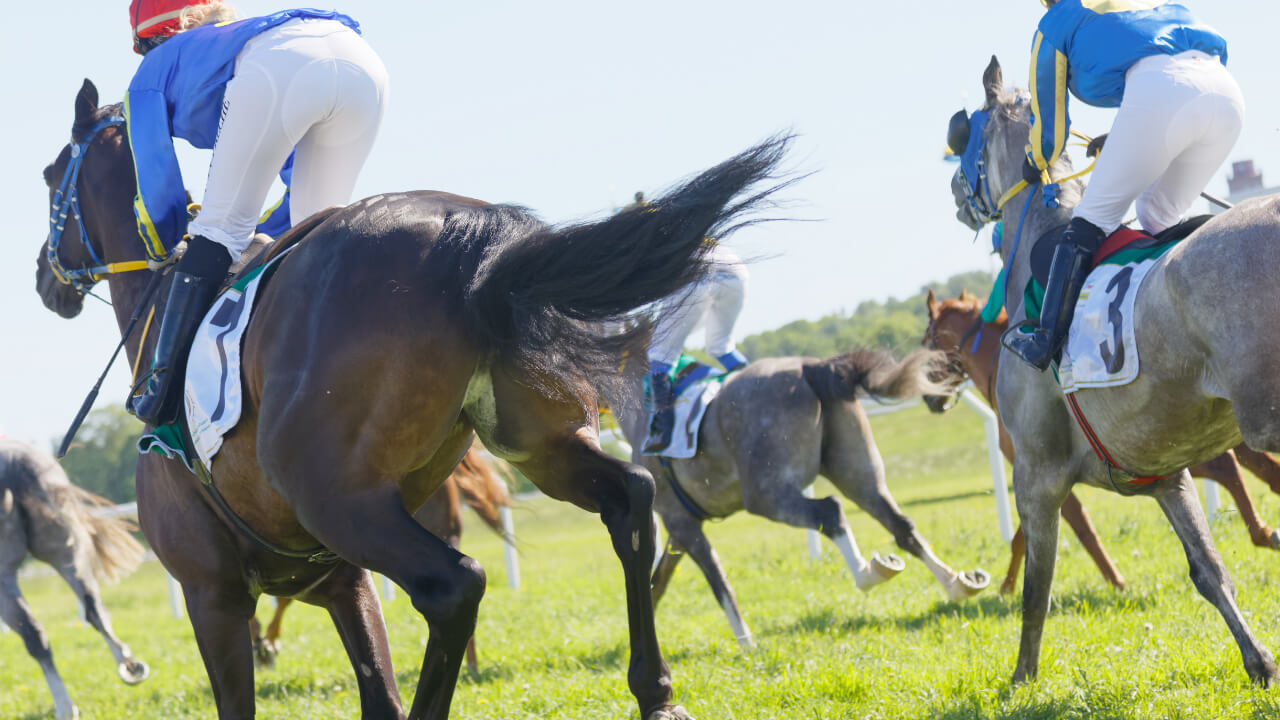
Commonly seen in racehorses, inner lung hemorrhages are a typical cause of nosebleeds during or after races. During intense exertion, the heart and blood vessels are heavily stressed, and blood vessels in the lungs, which contain many blood vessels, are prone to rupture due to high pressure. Since the lungs are connected to the nose, this results in nosebleeds.
Prevention and Measures
Traumatic nosebleeds are difficult to prevent completely, but creating a safe environment to minimize collisions and injuries is important.
For fungal-related nosebleeds, maintaining a hygienic environment and high-quality feed storage are crucial, as mold prevention is key. Improving the quality of feed and storage methods helps prevent mold growth.
The most challenging to prevent is lung hemorrhage. The best prevention is avoiding strenuous exercise, but racehorses by nature must run at full speed, so stopping them is not an option. Instead, horses that develop nosebleeds may be suspended from racing for a month. If it recurs, longer suspensions follow: two months after the second incident, three months after the third, and in some countries, a horse with a second nosebleed might be permanently banned from racing.
Treatment Options

There are no established treatments for nosebleeds in horses. Once it occurs, complete cure is difficult, although some trainers report recovery with herbal medicine, and other opinions suggest that careful blood pressure management with supplements or medications can help.
Relaxation and avoiding excessive exertion during races can also prevent severe nosebleeds. In essence, treating nosebleeds in horses is complex and challenging.
Summary
What do you think?
While human nosebleeds are generally not too serious, in horses, they can be life-threatening. Trauma-related nosebleeds can be treated, but internal causes such as fungal infections and lung hemorrhages often require significant time to heal, sometimes making recovery difficult or impossible.
Neither of these causes can be easily prevented by horses themselves. It’s the responsibility of handlers and caretakers to take precautions and prevent nosebleeds, prioritizing horses’ health and lives. Horses are valuable partners in riding, and protecting their well-being is a duty we must undertake.