
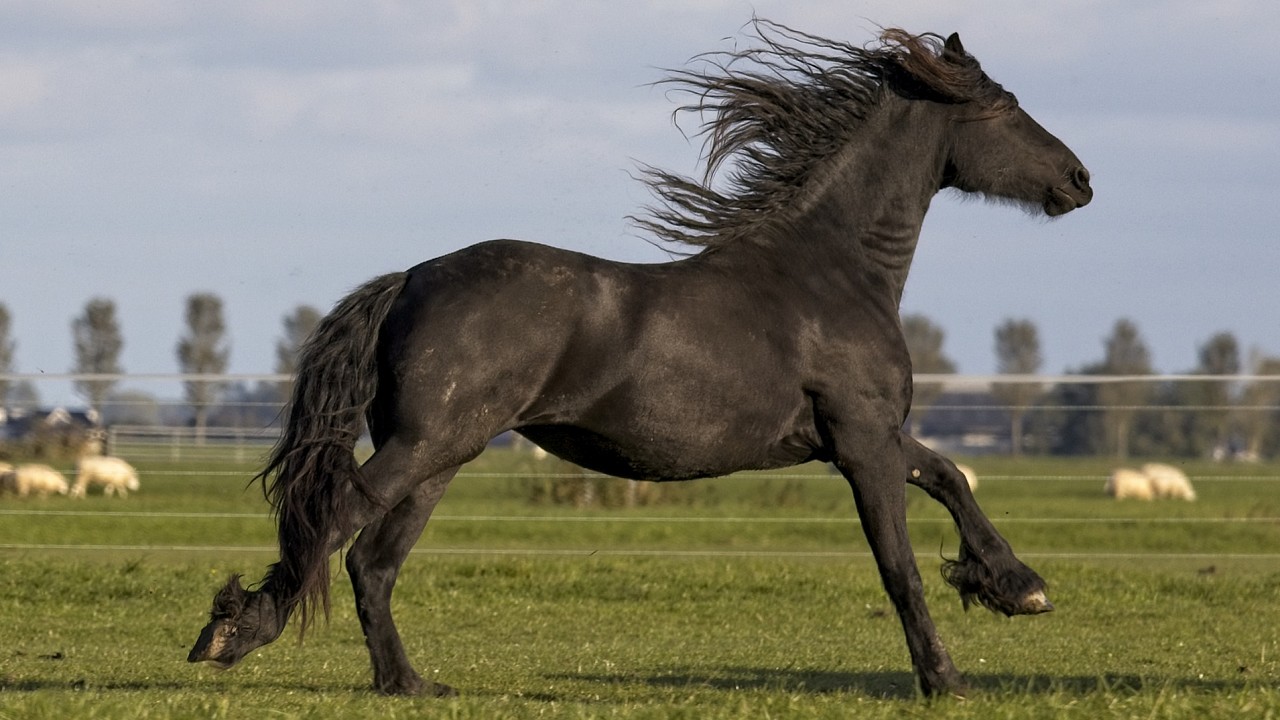
When animals are bred, it’s common to check their lineage. Knowing what kind of parents a creature has can reveal its traits and whether it matches your expectations for the animal.
Horses also have bloodlines, and especially in the case of Thoroughbreds, pedigree is crucial. Pedigrees are documented through registration, which records detailed information about each horse.
Interestingly, it is said that if you trace the bloodlines of a Thoroughbred back, they ultimately originate from just three kinds of horses. This article will focus on Thoroughbred pedigrees, exploring the ancestral horses used in breeding, what pedigree registration entails, and why bloodlines matter so much.
Living Art: What Exactly Defines a Thoroughbred?
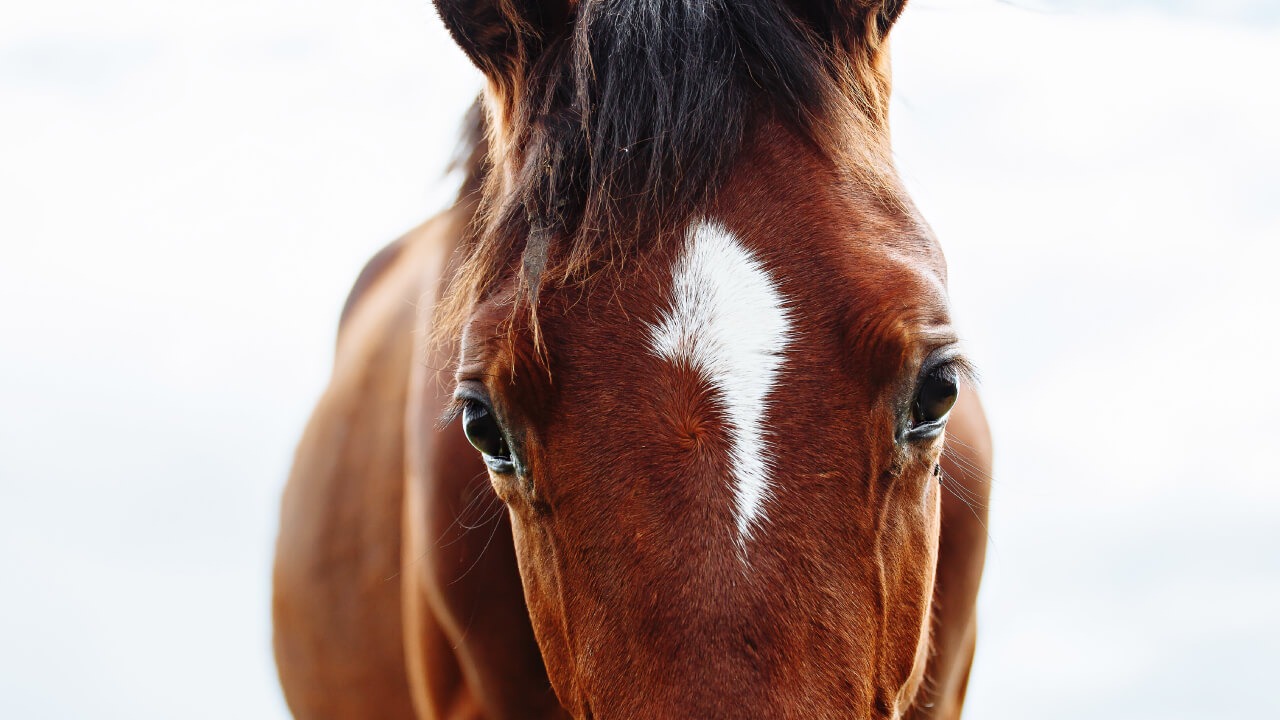
If you are interested in horse racing or equestrian sports, the term ‘Thoroughbred’ may be familiar. When you hear ‘Thoroughbred,’ what kind of horse do you imagine? It’s a sleek horse with developed muscles and striking beauty, a very attractive breed indeed.
Originating in the UK, Thoroughbreds are a breed of racehorses. Most racing horses in Japan are from this breed—around 7,000 are produced, mostly destined for racing.
Thoroughbreds are required to be purebred, bred over eight consecutive generations within the breed. Excellent horses pass their bloodlines to their offspring, and top-performing stallions like Deep Impact (sired by Sunday Silence, whose sire was Halo) show how the lineages of legendary horses are inherited.
The Three Founding Ancestors Still Carried on Today
Thoroughbreds are selectively bred to maintain DNA quality, beginning from three major sires selected in the 1700s. These founding stallions are: ‘Bayard Turk,’ ‘Darley Arabian,’ and ‘Godolphin Arabian.’
Let’s look more closely at these three legendary horses.
Bayard Turk
Born around 1680, Bayard Turk was considered less outstanding and even thought to have faced extinction. A fifth-generation stallion named Hedru, despite having weak forelegs and injury problems, proved its worth by performing well in races and saved the lineage from extinction.
Hedru’s success as a sire helped develop the Bayard Turk bloodline.
Darley Arabian
Born around 1700, this horse was bought by a British consul from Arab tribes. Its significance grew after the success of Eclipse, a fifth-generation horse born in 1764, who won all 26 races and was known for his fierce temperament. Today, over 90% of Thoroughbreds trace back to Eclipse’s bloodline.
Godolphin Arabian
Born in 1724, this horse was gifted by the Moroccan emperor to Louis XIV of France. It lived a rather unusual life, pulling water carts among other things. The famous third-generation stallion, Macham, born in 1748, greatly expanded this bloodline’s influence. Although initially not successful as a racehorse or sire, the offspring of Macham proved to be outstanding, earning their reputation as one of the three founding sires.
What is Pedigree Registration?
Pedigree registration is a record similar to a family register, documenting a horse’s information. It started in 1791 in the UK as a way to identify Thoroughbred stallions.
The information recorded includes the names of the sire and dam, breed, coat color, and distinctive features. Parentage is verified through DNA testing from the foal’s hair roots, and microchips are embedded in the neck for individual identification.
Why Pedigree Matters in Horse Racing
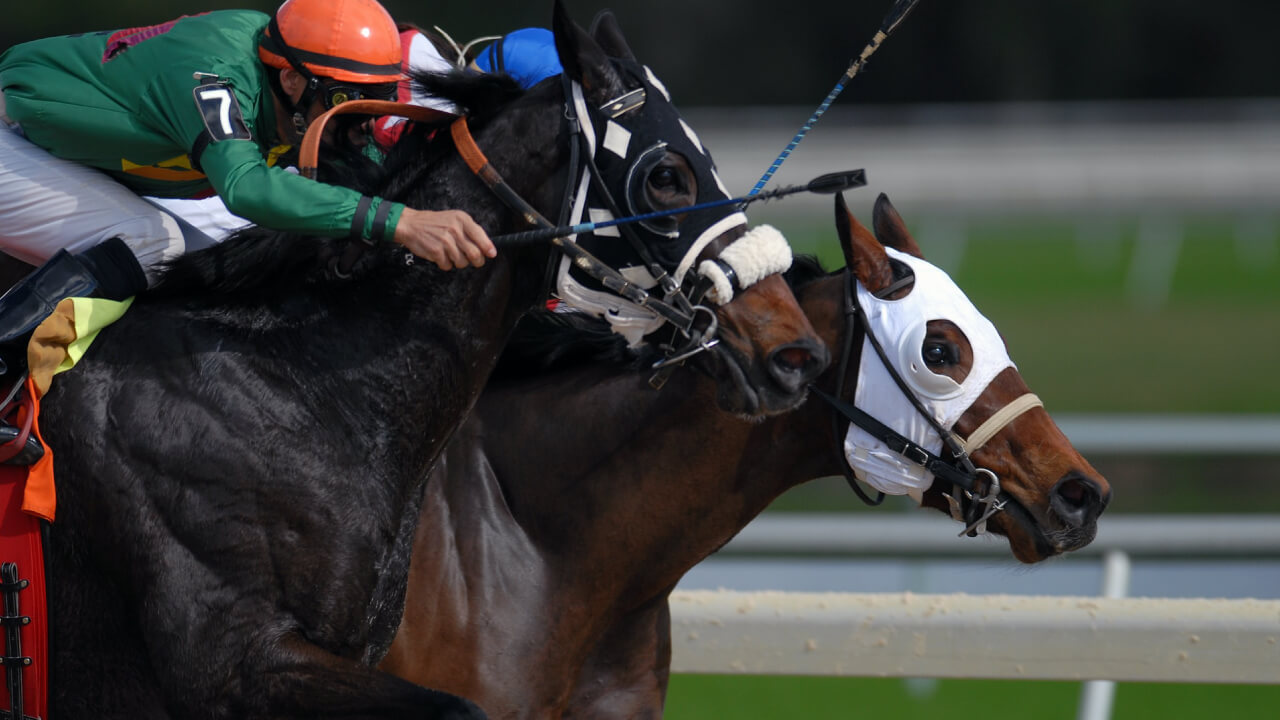
Bloodlines are highly valued in racing because they influence a horse’s potential for success. The reason is that racing requires horses to perform at the highest level. While training and physique are important, genetic inheritance from parents also plays a significant role in a horse’s athletic ability. Successful racehorses often come from strong bloodlines, making pedigree a key factor in breeding.
From past champions, it’s clear that those with successful ancestors tend to perform better in races. Traits like body structure and natural ability are often inherited, which explains why bettors and breeders pay close attention to bloodlines.
In Japan, a pedigree registration system operated by the Japan Stud Book Association is mandatory for race participation, ensuring that only horses with certified pedigrees, verified through international registration, can compete.
Conclusion
In summary, Thoroughbreds are bred for high performance, and their bloodlines reflect their top-tier capabilities. Many successful racehorses have pedigrees linked to legendary ancestors, and it’s fascinating to trace their lineage back to just three founders. Recognizing the origin of these horses enhances your understanding and appreciation of horse racing and breeding.