
Horses and humans, when viewed broadly, are both mammals. However, their diets and lifestyles are vastly different. In this article, we’ll explore how the horse’s body works.
By comparing horses to humans, we can better understand their unique features and appreciate their remarkable anatomy. Let’s see how the differences stack up and what makes horses extraordinary.
Differences Between Horse and Human Teeth
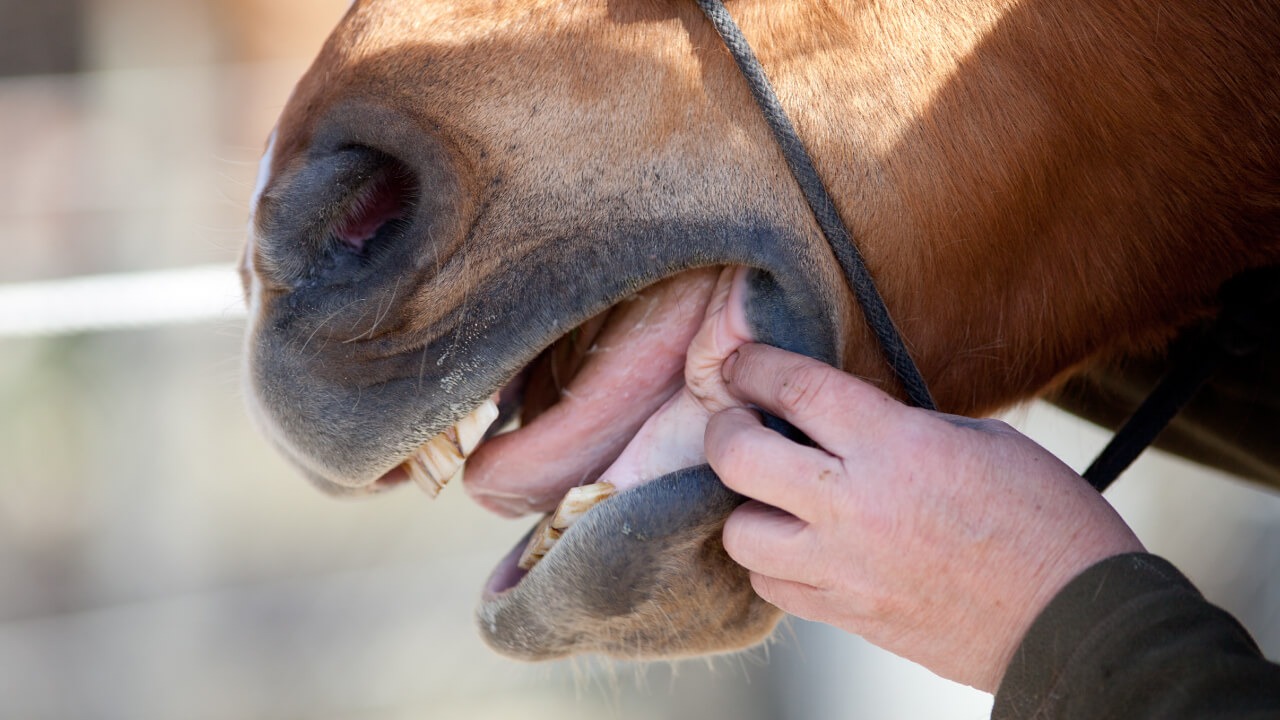
Horses and humans both have teeth for eating, chewing food into smaller pieces before swallowing. However, there are significant differences in the number of teeth, structure, and alignment. What exactly are these differences?
Number of Teeth
Humans have a full set of permanent teeth by around ages 12-14, totaling 28 teeth, with some people developing wisdom teeth, reaching up to 32.
In contrast, male horses have about 40 teeth, females around 36. The difference is mainly due to the presence or absence of canine teeth.
Like humans, horses shed their milk teeth and develop permanent teeth. However, the variation in tooth count between male and female horses is quite rare among mammals.
Structure
Human teeth are composed of dentin covered by enamel. Many dental products aim to strengthen and protect the enamel because human teeth are primarily protected by this hard outer layer.
Horse teeth, on the other hand, consist of three parts: cementum, enamel, and dentin. Unlike human teeth, the surface of horse teeth is not simply enamel; instead, these three layers are arranged vertically, resembling rings of a tree when viewed from above. This unique structure allows continuous growth, as horse teeth do not have a hard enamel cover, making them prone to wear from grinding tough grasses. This perpetual growth feature helps prevent damage during feeding.
Tooth Alignment
While human teeth are closely packed without gaps, horses have gaps called periodontal spaces, which are essential for bit placement in riding. These gaps are not caused by the bit but are naturally present, also seen in other herbivores like rabbits and cattle. The exact reason for these spaces remains unknown.
Differences in Breathing Between Horses and Humans
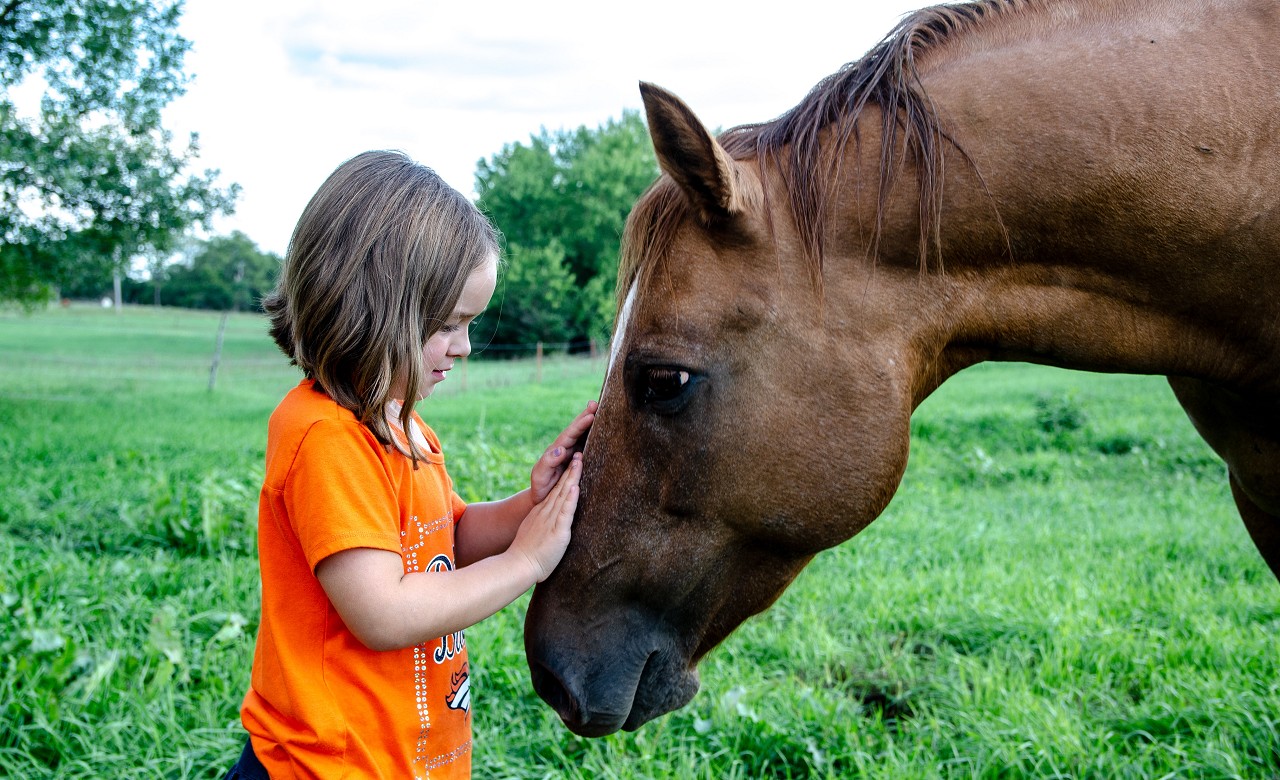
Horses breathe exclusively through their noses. Unlike humans, they cannot inhale oxygen both through the nose and mouth simultaneously. This is due to their unique body structure.
Horses have completely separate pathways for breathing and eating to prevent aspiration. If their nose gets blocked, they cannot breathe, which could be life-threatening. Even minor nosebleeds are critical for horses since their nasal passages are vital for survival.
Theirs large, distinctive noses are designed to draw in more oxygen, necessary for such a large body and high activity levels. During intense running, horses require even more oxygen, and their large noses facilitate efficient breathing while moving.
Differences in Legs and Hooves

The legs of horses look significantly different from those of humans. Humans support their body with five fingers on each hand and two feet, touching the ground with the entire foot from toes to heels for walking and standing.
Horses, however, only have hooves. They rely on these four hooves to support their large bodies and maintain balance. Other hoofed animals include giraffes, cattle, and deer, collectively known as ungulates.
Ancestors of horses, like Eohippus, had toes. As prey animals that needed to run fast to escape predators, they evolved to minimize contact points with the ground. Their hooves are a result of this evolution. In human terms, a horse’s hoof functions like a fingernail, and it is said that the horse essentially stands on its middle finger.
Why Are Horses Muscular Despite Being Herbivores?
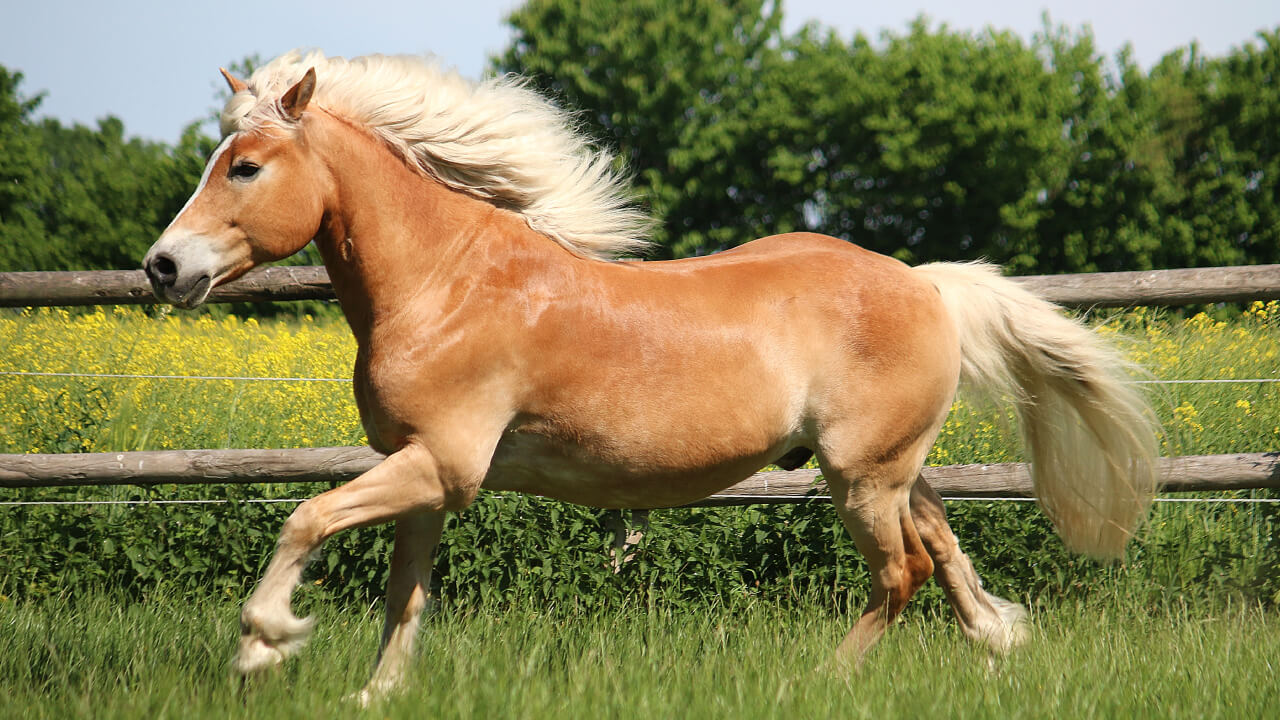
Despite being herbivores, horses are surprisingly muscular. Unlike humans, who primarily produce muscle-building proteins from their diet, horses cannot get these from grass. So how do they develop such muscles? The answer lies in bacteria in their stomachs that synthesize proteins. These bacteria produce amino acids and proteins from the grass they eat, then digest and absorb them, providing horses with the building blocks for muscle growth. This unique symbiosis enables herbivores to develop strong muscles, even without consuming animal products.
Summary
As we’ve seen, horses and humans are quite different in appearance. Still, as mammals, they share some features like teeth, limbs, and breathing mechanisms. Evolution has influenced these features based on their environments and diets. Understanding these adaptations helps us appreciate why their bodies are structured the way they are. Exploring these reasons can also help us develop a better relationship with and care for horses.