It is challenging for living beings to go through life without injuries or illnesses. There are various diseases that can affect horses.
How many types of horse-related illnesses do you know? Today, we focus on a condition that requires attention during the rainy season and hot weather—’Keikun’ (connective tissue dermatitis).
What Is Horse Skin Disease ‘Keikun’?
![[Horse Skin Disease] Not Just Winter! Watch Out During Rainy and Hot Days! About Keikun](https://jmelma.com/wp-content/uploads/2022/04/daphne-tYWZ_m8Ew2k-unsplash.jpg)
Are you familiar with the disease called ‘Keikun’? It might not be a common condition for many horse owners.
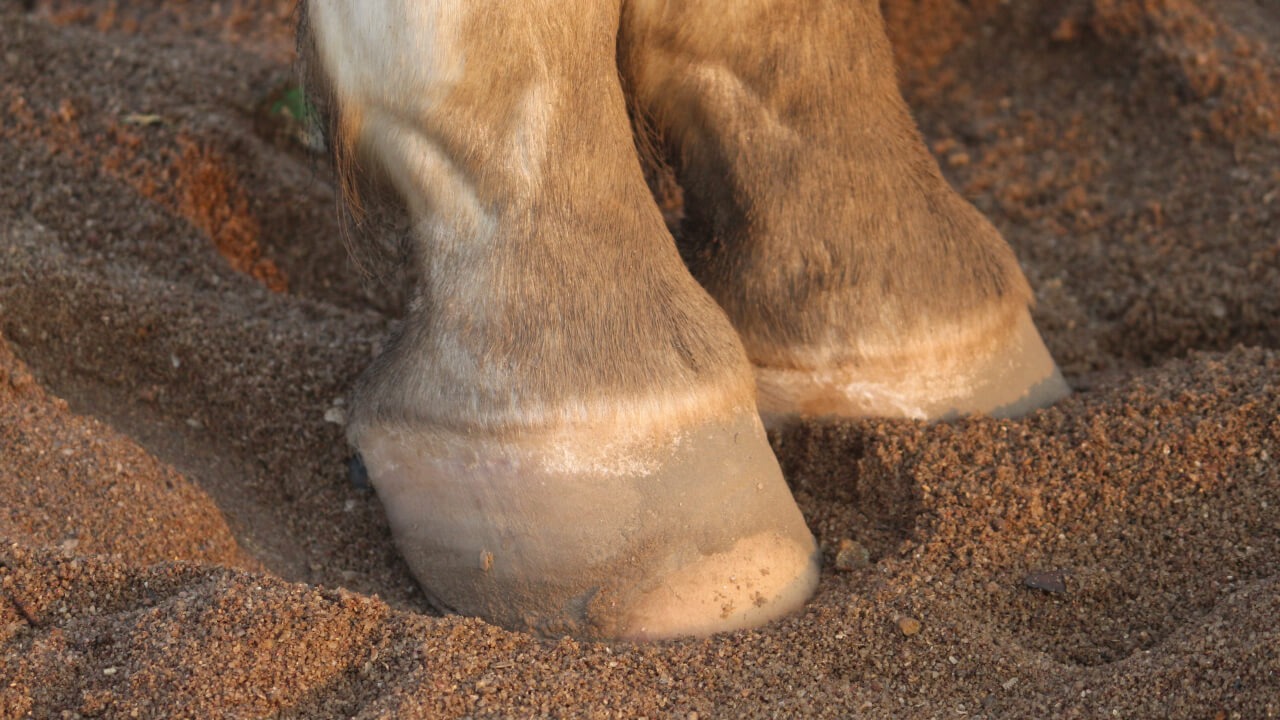
Keikun is a skin disease affecting horses. ‘Kei’ refers to the lower leg parts of the horse, and ‘kun’ means rash. Horses diagnosed with Keikun may develop scaly patches or blisters on the lower limbs.
If not treated promptly, Keikun can cause swelling and even make it difficult for horses to walk. It can also trigger allergic reactions.
What Are the Causes and Preventive Measures?
![[Horse Skin Disease] Not Just Winter! Watch Out During Rainy and Hot Days! About Keikun](https://jmelma.com/wp-content/uploads/2021/07/equia-image539.jpg)
The main causes of Keikun include poor blood circulation in the affected area and lack of hygiene. In particular, insufficient cleaning and poor living conditions contribute significantly. Dirt, sweat, and debris from feeding environment such as hay or dust tend to accumulate on the affected area, causing skin irritation and inflammation. Even if the horse is cleaned regularly, neglecting thorough drying can lead to similar issues.
Prevention primarily involves maintaining cleanliness. The lower limbs are prone to getting dirty during lessons or exercise. Ensuring proper cleaning, especially of these parts, is essential.
Treatment Methods
![[Horse Skin Disease] Not Just Winter! Watch Out During Rainy and Hot Days! About Keikun](https://jmelma.com/wp-content/uploads/2022/05/ma-wash2.jpg)
The treatment of Keikun depends on its severity. Mild cases can be managed by cleaning the affected area, thoroughly drying it, and applying ointments. Using warm water to soften the rash before gentle cleaning is recommended—be careful not to scrub harshly or forcibly remove scabs as it can worsen the condition.
In severe cases, swelling and hair loss may occur. Such advanced cases require veterinary interventions, including antibiotics and steroids, as topical treatments may no longer be effective.
Horses cannot self-treat or communicate their discomfort. Monitoring their condition closely and maintaining a clean environment are crucial. Early detection and prevention are key to keeping horses healthy.
Additional Care Tips for Rainy and Hot Days
![[Horse Skin Disease] Not Just Winter! Watch Out During Rainy and Hot Days! About Keikun](https://jmelma.com/wp-content/uploads/2022/04/horse-care.jpg)
Rainy and hot seasons tend to make horses sweat more and become more prone to dirt and irritation. Many stables also wash horses thoroughly during these times. This section covers areas that need extra attention during such weather.
Care Areas During Rainy and Hot Days
The most vulnerable areas are places prone to trapping heat and moisture, such as the mane’s roots and the base of the tail. These areas often cause discomfort for horses, as heat and sweat build up, especially when combined with dirt and dust from their environment.
Horses can feel irritation in these areas, similar to humans. Regular cleaning and drying are essential to prevent stress and skin issues.
Proper Care Methods
Rinse the horse’s body thoroughly with water, then use a brush to massage and wash away dirt. When the weather is hot, do not leave the horse wet; dry off with sweat-absorbing towels and then gently towel dry to prevent inflammation or skin problems.
Pay special attention to joint crevices and other hidden areas where water may gather. Ensuring these are dry helps prevent complications like Keikun. Use brushes to massage and clean the mane and tail, making sure they are free of moisture.
- Thoroughly clean the base of the mane and tail with a brush and dry thoroughly!
- After washing, use sweat towels to remove excess water.
- Pay close attention to crevices around the joints.
Consider giving treats based on the horse’s condition.
Summary
Did you find this helpful?
Horses cannot speak or express discomfort about injuries or illnesses, and they find it difficult to alleviate discomfort themselves.
During rainy and hot days, sweat and heat accumulation can lead to unexpected dirtiness. Maintaining cleanliness and preventing illnesses are crucial not only for their health but also for their comfort. Regularly wash away sweat and dirt to keep horses healthy.
The condition called Keikun, introduced here, can be treated relatively quickly if detected early and if hygiene is maintained. Always observe your horse’s behavior carefully and keep a clean environment to ensure their well-being.