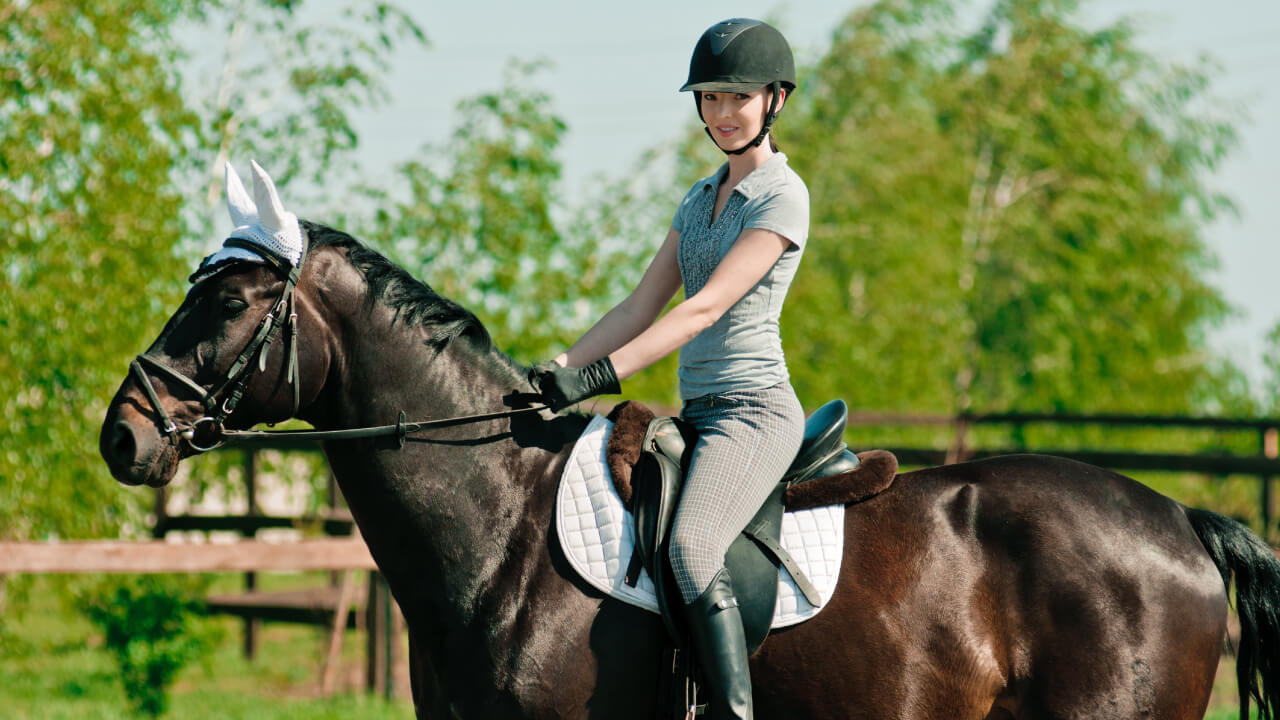
As you become more accustomed to horseback riding, terms like “pushing from the riding seat” and “stabilizing the riding seat” start to appear naturally.
This terminology helps in understanding and following instructions from your instructor, leading to improved riding skills. However, fully grasping the meaning of “riding seat” can sometimes take time. Here, we explain it in an easy-to-understand way.
What is the ‘Riding Seat’?
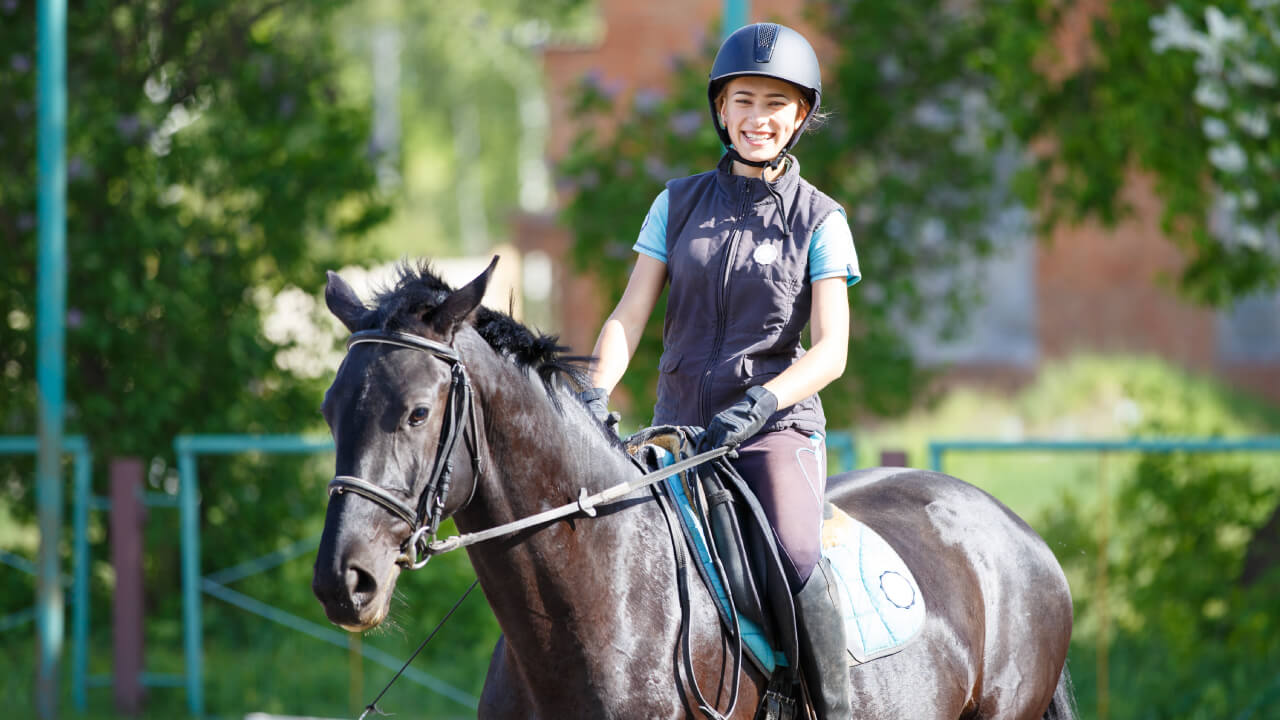
Initially, when riding for the first time, it was enough just to sit on the saddle. As you become more experienced, you will be advised on posture corrections such as chest out and shoulders back. These instructions are necessary for improvement.
As you advance further, you’ll hear terms like “riding seat” during instruction. Many can infer that it refers to how you sit based on context and practice. But how exactly should you understand and practice it?
First, the riding seat refers to the contact points between the rider and the horse—such as the sit bones, buttocks, thighs, and knees—and is a crucial part of giving aids to the horse.
Benefits of Mastering the Riding Seat
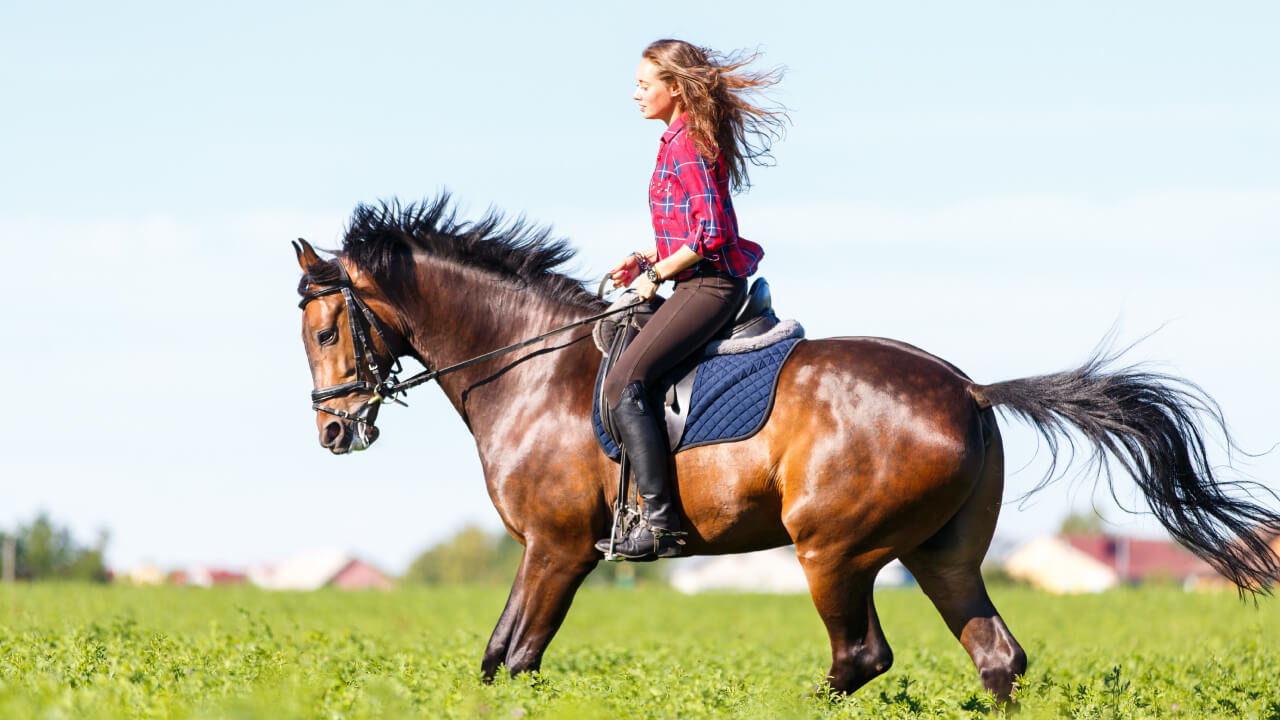
Stabilizing and mastering the riding seat not only improves your posture and riding skills but also offers many other benefits. Here are some specific advantages:
Reducing the Horse’s Burden
Even when using a saddle, the horse feels the rider’s movements through its back. If the rider’s motions do not match the horse’s, it can feel uncomfortable or awkward to the horse.
By mastering the riding seat, riders can better follow the horse’s movements during guiding and trot, making it easier for the horse to move comfortably. This reduces physical and mental strain for the horse.
Using Supports Other Than the Legs
Typically, aids are given through the legs. However, mastering the riding seat allows you to give aids using the “hips” as well.
By shifting your body weight with the hips, you transmit changes in your center of gravity to the horse, aiding in guiding and propulsion. This means you can steer or motivate the horse effectively without relying solely on your legs.
Freedom of the Legs
Horseback riding looks elegant and refreshing, but beginners often experience muscle soreness or find their bodies bouncing with the horse’s movements. Sometimes, riders grip the horse with their legs.
Mastering the riding seat helps eliminate the need to cling, freeing your legs to send signals naturally.
While using the hips allows for effective aids without the legs, advanced skills may require you to give signals through your legs. So, mastering the riding seat is essential for progressing to higher techniques.
Responding to the Horse’s Movements
There’s a difference between riding casually on a beginner-level horse and riding a well-optimized, steady seat. The more stable your riding seat, the better you can handle unexpected movements and responses from the horse.
This skill is important for dealing with unforeseen situations such as stumbling or surprises from the horse, making it crucial to master the riding seat early.
How to Create and Master the Riding Seat
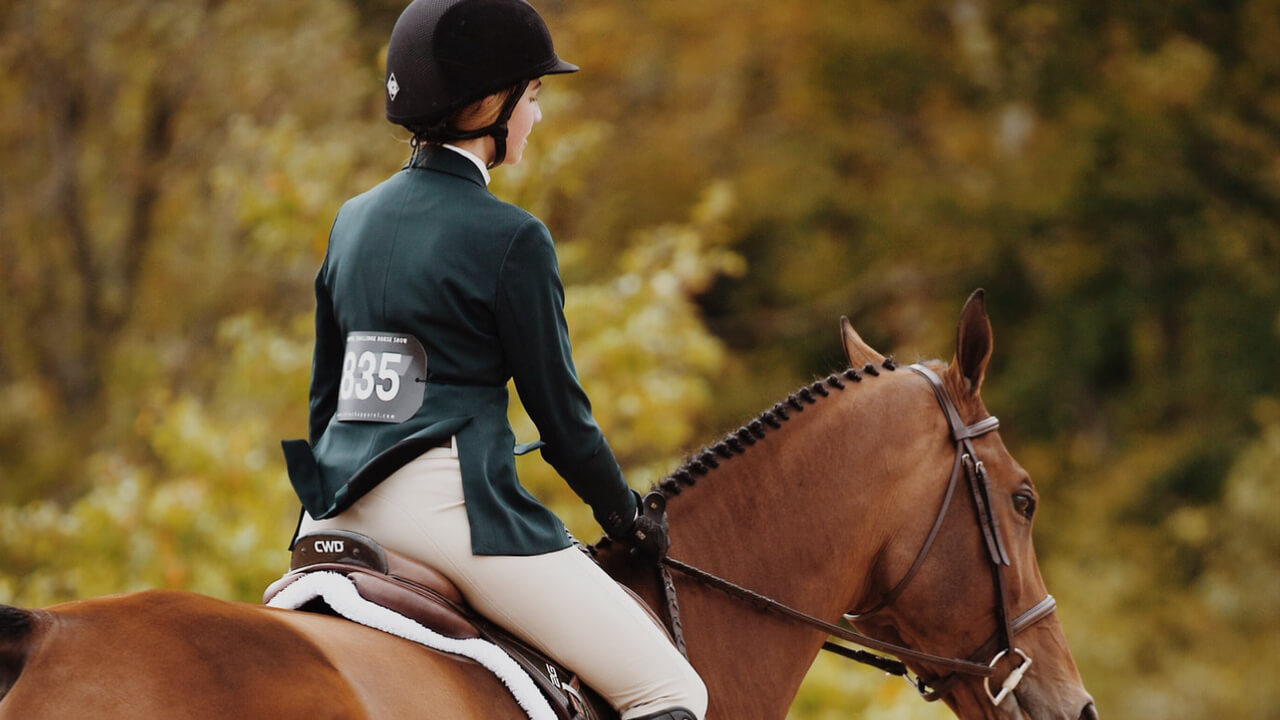
When riding in lessons or practice riding, the visual difference between just sitting on the horse’s back and having a stable riding seat becomes obvious. But what are the key points for creating a proper riding seat? Here’s how to think about it and what to pay attention to:
Thinking of the Horse as a Vehicle
First, consider the horse as a mode of transportation. Let’s compare it to a bicycle.
When riding a bicycle, just sitting on it won’t make it move as desired. You need to pedal, turn the handlebar to steer, and shift your body weight for direction and speed control. Once learned, you ride without conscious thought.
Similarly, just sitting on a horse doesn’t make it move as you want. Practicing your riding seat is like practicing on a bicycle. The more you practice, the better you become, and soon you can enjoy riding with harmony as the rider and horse become one.
Key Points for Building a Riding Seat
Creating a good riding seat isn’t just about your buttocks; it involves a broad area. A common recommendation is to cover the thighs with a surface contact, but depending on the shape of the horse, your knees and lower legs should also contact the horse’s body.
Maximize contact with the horse’s body to prevent slipping. It’s also important to move your body in harmony with the horse’s movement. If your movements are out of sync, it can disturb the horse and make riding difficult. Pay attention to feeling the horse’s movements and maintaining a supportive posture.
During lessons, instructors may tell you to “relax” or “be relaxed”. It’s vital to remember that relaxing should mainly be in the upper body.
Specific Methods
After mounting, press your thighs against the saddle with your entire inner thigh area. This may feel difficult as it uses muscles you don’t often use. Important points include not squeezing with the inner hip but pressing near the knees.
Then, tighten your buttocks. This naturally tightens your legs and pushes your hips forward. Relax briefly, release the tension, and repeat to build the correct posture and balance.
Common Mistakes in Riding
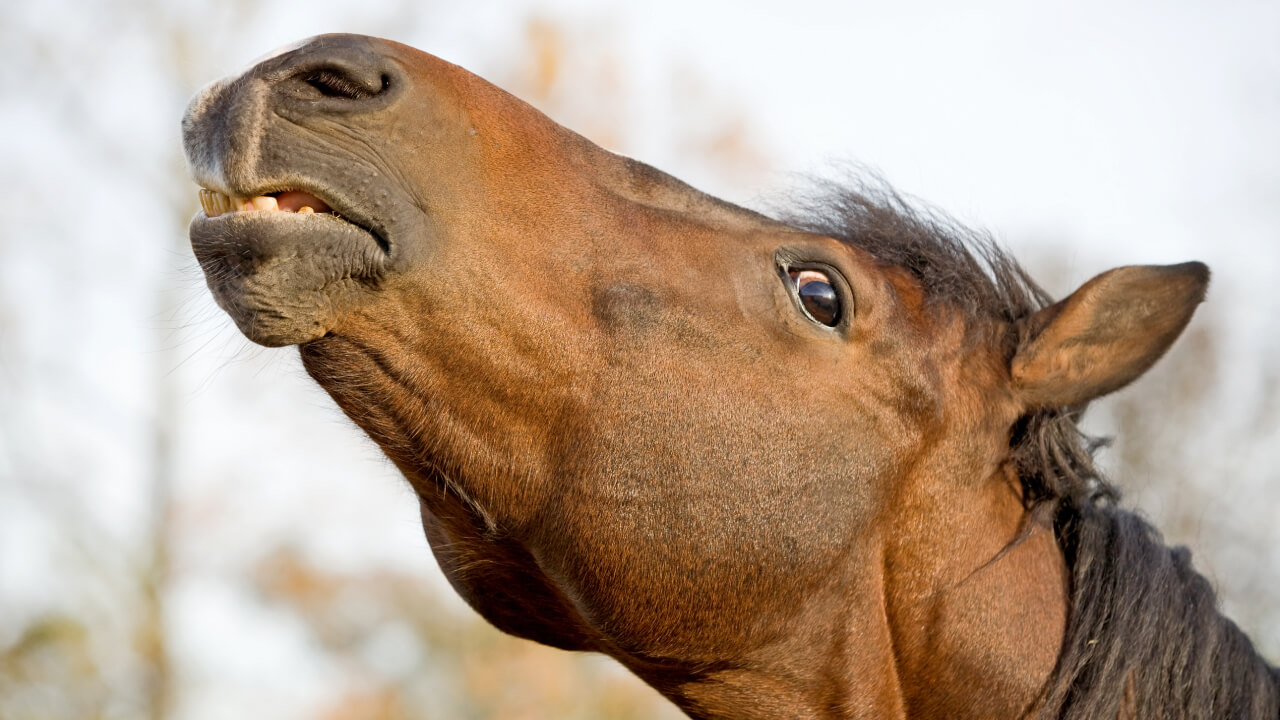
In practice, riders often make mistakes. Here are two common errors to watch out for:
Legs Cast Backward
This happens when the upper body leans forward, and the legs slide backward. It’s common among women, especially when trying to be very mindful of pelvic alignment.
If your legs slide back, you may inadvertently stimulate the horse’s abdomen, causing the horse to react sensitively and sometimes speed up unexpectedly. Additionally, stiff upper body makes absorbing the movement harder.
Legs Cast Forward
This occurs when tilting the pelvis backward causes the upper body to lean backward, and the legs slide forward. Often among men, this imbalance causes the rider’s weight to shift too far back, making it difficult for the horse to move forward.
If your upper body leans back and the horse struggles to advance, try leaning your upper body forward slightly. Conversely, if the horse tends to speed up, leaning back slightly may help.
Summary
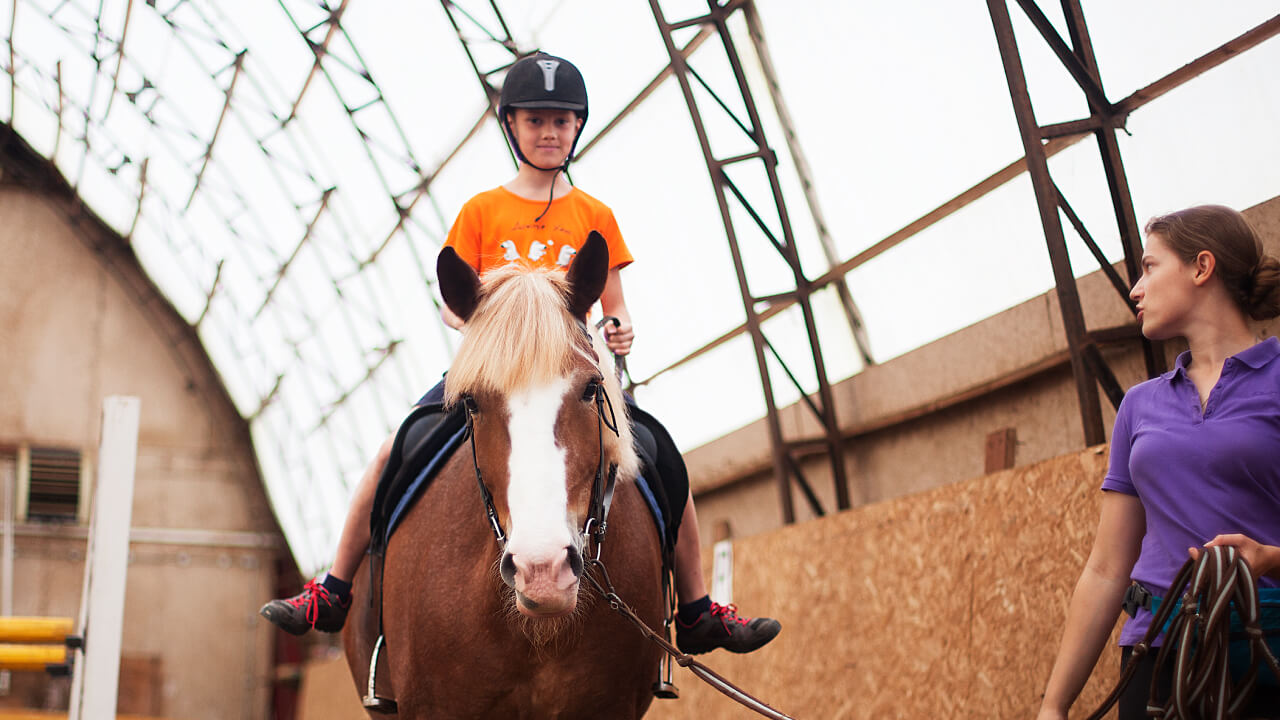
With consistent practice, riders progress from simply sitting on the horse to stabilizing their riding seat.
Mastering the riding seat benefits both the horse and rider by reducing physical strain, enabling aids beyond the legs, freeing your legs, and improving response to unexpected movements. It’s also essential for advanced riding techniques.
The key to mastering the riding seat is to perfect your basic posture through consistent practice.