
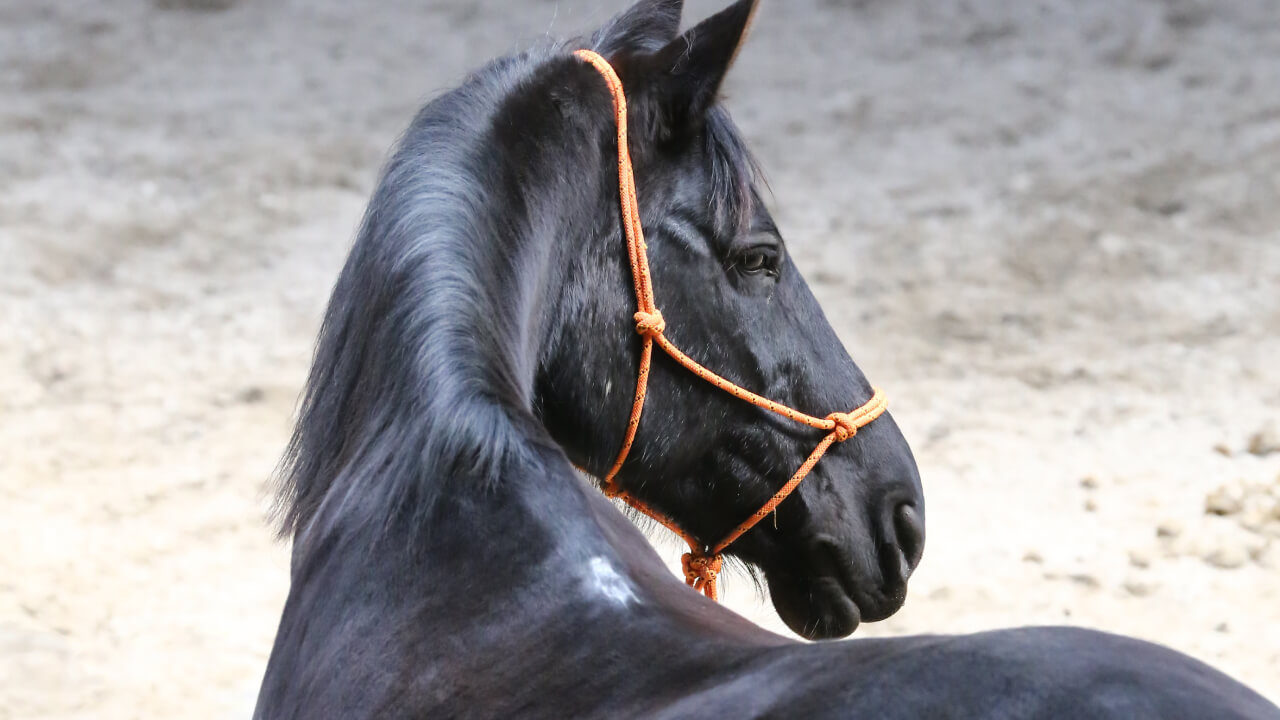
Have you ever experienced a horse shaking its head from side to side or lowering its head while riding? It can be startling to be suddenly pulled with force, and sometimes it even causes fear. Why do horses do this? Here, we introduce the reasons and how to respond.
Why Do Horses Do That?

When riding a horse, you can notice its head moving back and forth or lowering. Riding in rhythm with these movements can feel pleasant. However, some horses suddenly shake their head or lower it — called head shaking. This behavior has causes, which vary by horse.
Causes
The main reason horses shake their heads is because they believe it makes them feel better. When something feels unpleasant or uncomfortable, they respond by shaking their head. Specific reasons include dislike of the bit, discomfort from having their head lifted, and other minor causes.
Can You Make the Horse Feel Comfortable?
If the head-shaking is caused by discomfort or unpleasant feelings, you might think of relaxing the reins to help the horse feel better. Unfortunately, this isn’t so simple. Riding involves active effort and demanding sports, like jumping over obstacles, requiring a certain riding style that might feel strange to the horse. If you hold the reins loosely thinking it will help, you could lose stability or control, leading to dangerous situations. Also, if the horse learns that shaking its head can shake off the rider, it could become more aggressive, increasing risks. So, what other methods are there?
Method 1: Adjust the Reins and Bit

Adjusting the reins and bit can make the horse more comfortable and responsive, reducing stress and head shaking. The following are specific tips for adjustments.
Reins
The reins connect the rider’s fist to the horse’s mouth. The horse moves rhythmically forward, which can be seen in its head’s movement. If the rider keeps their fist still when the horse moves, unnecessary stress can be caused. Instead, gently move the fist with the horse’s head movements — approximately halfway of the knuckle’s range. When moving, use not only the elbow but also open and close your fingers to communicate gently. Always keep the length of the reins from bit to fist consistent when riding.
Bit
Make sure not to leave the bit in place unnecessarily, as a constantly engaged bit can cause discomfort and stress, leading to resistance. Avoid keeping the bit engaged when the horse is waiting for commands, which can cause frustration.
Method 2: Respond Quickly to Horse’s Movements

If the horse shakes its head suddenly, quick reactions are necessary to prevent larger movements, saving time and effort for both rider and horse. For example, if the horse starts to shake its head, gently signaling ‘No’ by slightly shaking the bit can prevent further behavior. Responding promptly to these signals is vital, as it can stop the horse from shaking its head before it begins.
Method 3: Careful Attention to Your Center of Gravity

The behavior of large head-shaking can change the horse’s center of gravity. When the horse lowers its head, the center shifts forward, increasing the risk of tripping. Just like when running fast, the center shifts forward and can cause falls. If the horse trips during riding, both the rider and horse could get injured. To maintain balance, it’s important to prevent head shaking and stabilize your position.
Specific Tips
To keep proper balance, always hold the reins shorter when the horse tends to shake its head. Regularly check the reins’ length, especially after a lap, and adjust as needed. Be aware of your own center of gravity; if it’s forward due to pulling on the reins, the risk of falling increases if the horse trips. When instructed by the trainer to keep the horse’s head low or raise it, shorten the reins and adjust your posture accordingly. However, don’t be overly tense about falling or tripping—relaxing is crucial for effective riding.
Summary

Horses shaking their heads vigorously can be distressing and dangerous for both the rider and the horse. Adjusting the reins and bit, stopping head shaking before it starts, and maintaining your balance can effectively manage this behavior. Remember, this behavior indicates discomfort in the horse, not bad intentions. Making efforts for the horse’s comfort involves maintaining correct posture and developing skills to focus on the horse. These can be improved through riding experience and training at home. Most importantly, ride calmly and manage the situation with composure.