
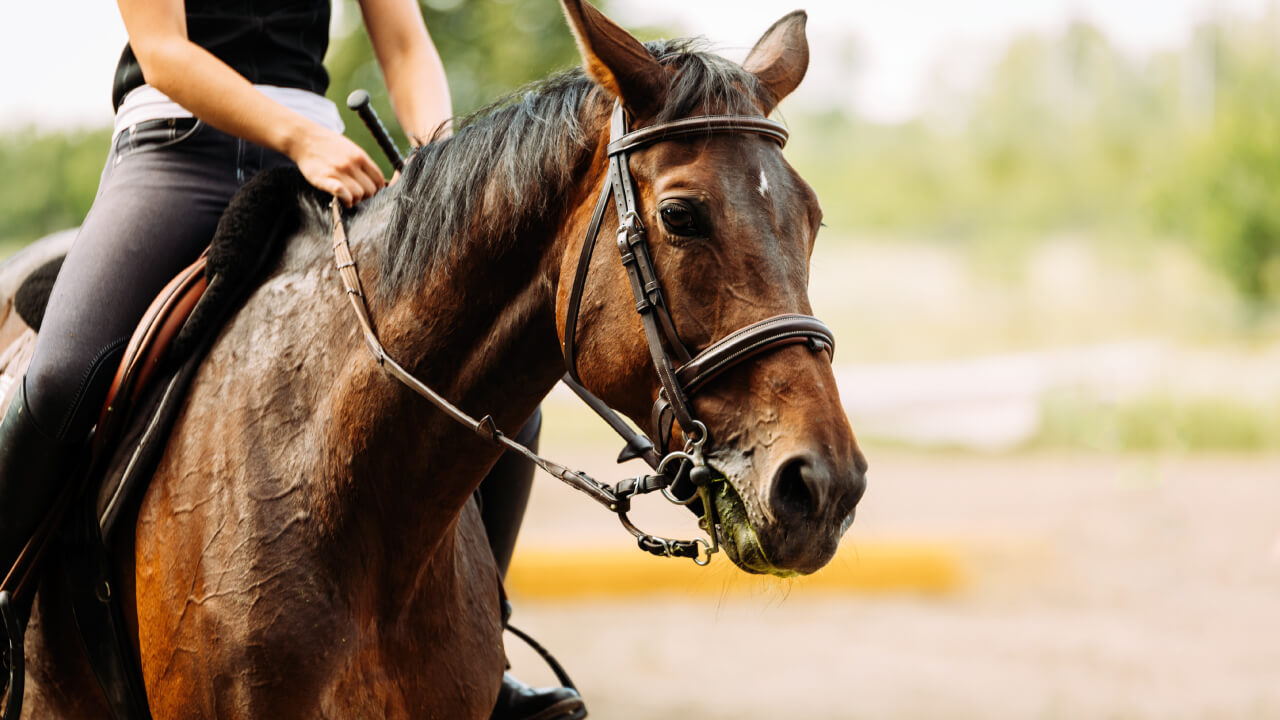
Horse falls occur when a rider is thrown from a horse, and they are often associated with serious injuries. While falling from a stationary horse might result in minor injuries, falling during walking or trotting can be much more dangerous.
In addition to physical injuries, fear can set in, sometimes making riders hesitate to return to riding. Some even quit altogether due to the fear of falling again.
To enjoy horseback riding safely and to prevent falls, it’s crucial to understand the causes of falls and how to reduce risks. Here, we explore common scenarios that lead to horse falls and how to avoid them.
When Do Horse Falls Most Often Happen?
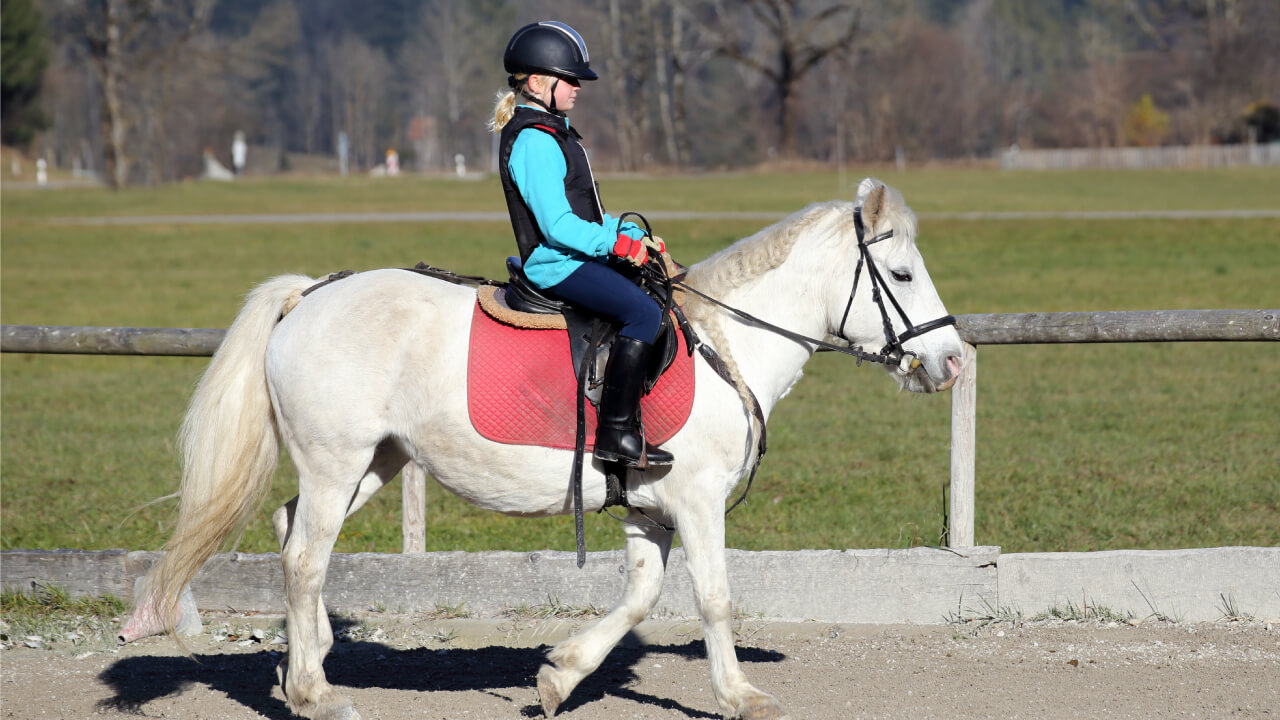
Several factors can cause horse falls, some predictable and others unpredictable.
While learning from falls can be valuable, they are still best avoided. Understanding the situations that lead to falls can help riders minimize risks. Here, we introduce common causes of horse falls.
Improper Tack Fit
Always inspect the tack before riding. Of particular importance is the girth, which can cause falls if not secured properly. An unfastened girth means the saddle can slip, making it difficult to maintain balance—even for experienced riders.
If the girth slips while the horse is stationary, it’s easier to address. However, since girths can loosen during riding, it’s important to check and tighten them regularly, especially as the horse moves.
Changes in Horse’s Movement
Horses are not robots—they can stumble if their balance is off. Larger horses tend to feel the rider’s movements more, which can cause unexpected shifts and balance issues.
If the rider is inattentive during a stumble, they may lean forward and fall off. Maintaining consistent balance is essential.
Moreover, horses are naturally nervous animals, prone to spooking at loud noises or sudden movements from other animals. If they react suddenly—rearing or bolting—riders must stay calm to avoid falling.
It’s common to see riding instructors in areas near roads instructing students to stop and hold their position during passing traffic, due to these sensitivities.
Inexperience
If a rider’s skill level doesn’t match the lesson difficulty, they might give abrupt commands or struggle to control the horse’s speed, leading to falls. Lack of effective communication between horse and rider may cause the horse to behave unpredictably.
This could happen, for example, when trying to slow down a trot but failing to do so properly.
Do Falls Always Mean Serious Injuries?
Falling off a horse doesn’t necessarily mean serious injury. Most riding lessons require riders to wear helmets and protective gear, significantly reducing the risk of major injuries from falls.
However, the severity of injuries varies depending on the fall’s circumstances. Falls on soft terrain, like dirt arenas, may cushion the impact, while concrete or gravel surfaces increase injury risk. Accidents involving hitting fences, hitting the ground at awkward angles, or being kicked or trampled by a frightened horse are also possible dangers.
Horses generally avoid stepping on fallen riders, but panic can change their behavior. Therefore, careful riding and safety awareness are essential to enjoy horseback riding safely.
Tips to Prevent Horse Falls
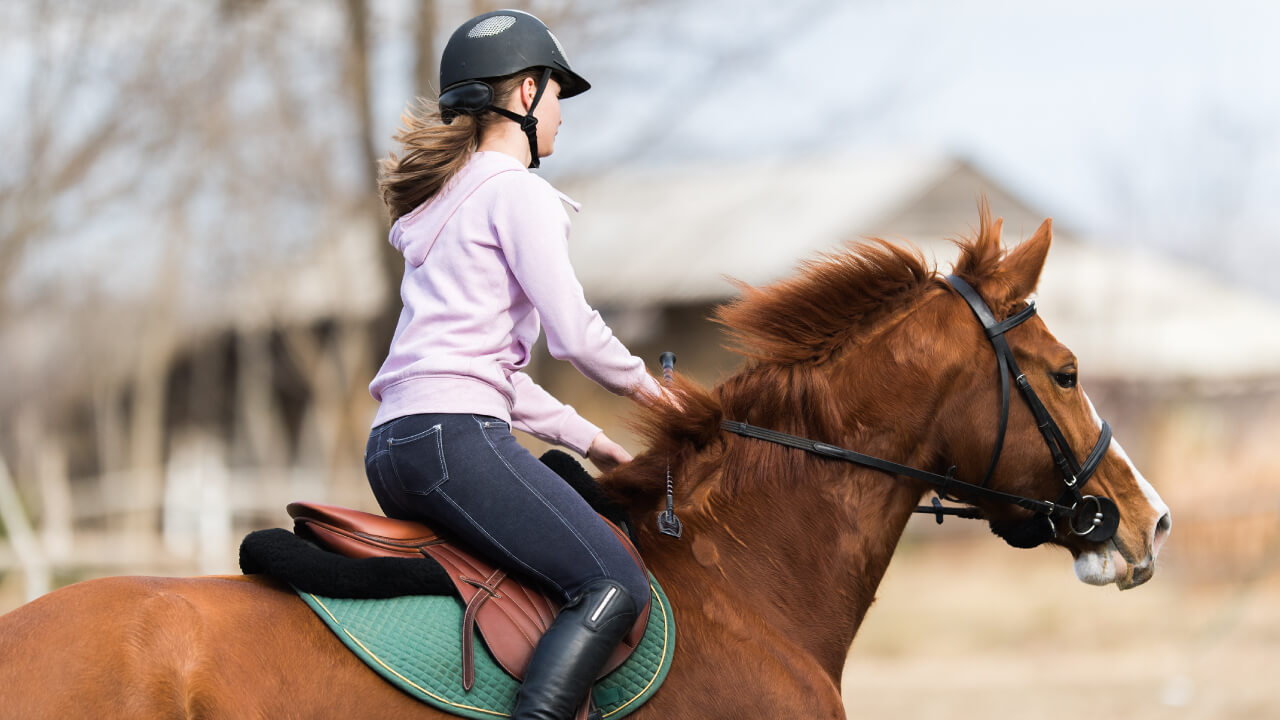
The key to enjoying riding without fears of falls is to relax and trust the process. Observing falls or hearing about them can also cause anxiety, but there are steps you can take in advance to prevent falls.
Here are some tips to avoid falls and stay safe. Try them out!
Strengthen Your Core
Maintaining proper riding posture helps absorb shocks and prevent falls. This requires a strong core. Building core strength helps you maintain the correct posture for longer periods, making falls less likely. Incorporate core training into your routine as a first step to safer riding.
Stay Calm
When the horse reacts unexpectedly, it’s important to stay calm and avoid panicking. While it’s natural to feel startled or voice out loud, don’t do this as it can excite the horse further. Instead, take deep breaths and stay composed.
Learn About Your Horse
Different horses dislike different things, such as whips, spurs, certain equipment, loud noises, or sudden movements. Knowing what your horse is sensitive to allows you to prevent situations that could lead to falls.
Avoid doing anything that the horse dislikes and pay close attention to its responses to reduce fall risks.
Ride Calm Horses
If you’re still developing your riding skills or are afraid of falling, consider riding well-behaved, calm horses. Many stables have gentle horses suitable for beginners.
Riding a calm horse might temporarily limit your progress but helps build confidence and enjoyment. Practice with your favorite horse until you feel comfortable and relaxed about riding.
What to Do if You Feel Like Falling
If you’re about to fall, try to stay calm. Most people freeze momentarily or panic, but remaining calm is crucial. Do not pull on the reins desperately; holding the reins can help prevent serious injury by cushioning your fall. It also keeps you hanging safely.
If you realize you’re falling, think quickly. If possible, loosen your grip slightly to avoid hitting the ground face first or injuring your head. Always prioritize your safety and stay alert to the situation.
Summary
While all sports carry injury risks, horseback riding involves interactions with animals that require anticipation of their movements and risk management. Although lessons at riding clubs are generally safe, remaining vigilant and aware of fall causes can make riding safer and more enjoyable.