

Enjoy Horseback Riding in the Rain If the Club Permits

Can you ride even if it’s raining on your lesson day? The answer is generally yes, but it depends on the riding club. Even if the club allows riding in the rain, it can be more dangerous and physically demanding than riding on a clear day. Whether to ride or cancel is a personal decision. Understanding the advantages and disadvantages of riding in the rain, and preparing accordingly, is important.
Advantages of Rainy Day Riding
Rainy days are not just about disadvantages; there are benefits too. Here are some advantages of riding in the rain.
Learning to Ride in the Rain
Riding in the rain offers a whole new experience compared to sunny days. For example, both humans and horses find it harder to move in the rain, horses may lose concentration due to stimuli, and footing can be slippery, causing balance issues. You’ll learn to adapt to these conditions, which is useful for competitions held in rain.
Less Crowded
Riding facilities are often less crowded in the rain, and group lessons may be more one-on-one or intimate, providing more personalized instruction.
Disadvantages of Rainy Day Riding
Rain also comes with risks. Here are some safety concerns to keep in mind.
Both Horse and Rider Find It Difficult to Move
Visibility is reduced for both horses and humans. Rain gear can hinder movement, and sensory distractions such as rain sounds may impair concentration and communication.
Lightning Risks
Thunderstorms can frighten horses and pose lightning risks. Follow the riding club’s instructions to stay safe.
Slippery Surfaces
Slippery conditions are common, including muddy grounds, wash areas, stairs, and uneven surfaces, including stirrups. Extra caution is necessary.
Increased Fatigue
Preparing and packing rain gear, along with exposure to rain, drains energy. Cold and wet conditions also cause fatigue and discomfort. For glasses wearers, wet or foggy lenses add to mental stress.
More Baggage
Rain gear and change of clothes are necessary, increasing your load. Wet gear can cause mold or odors if not dried properly.
Are Rain Covers for Saddles Necessary?
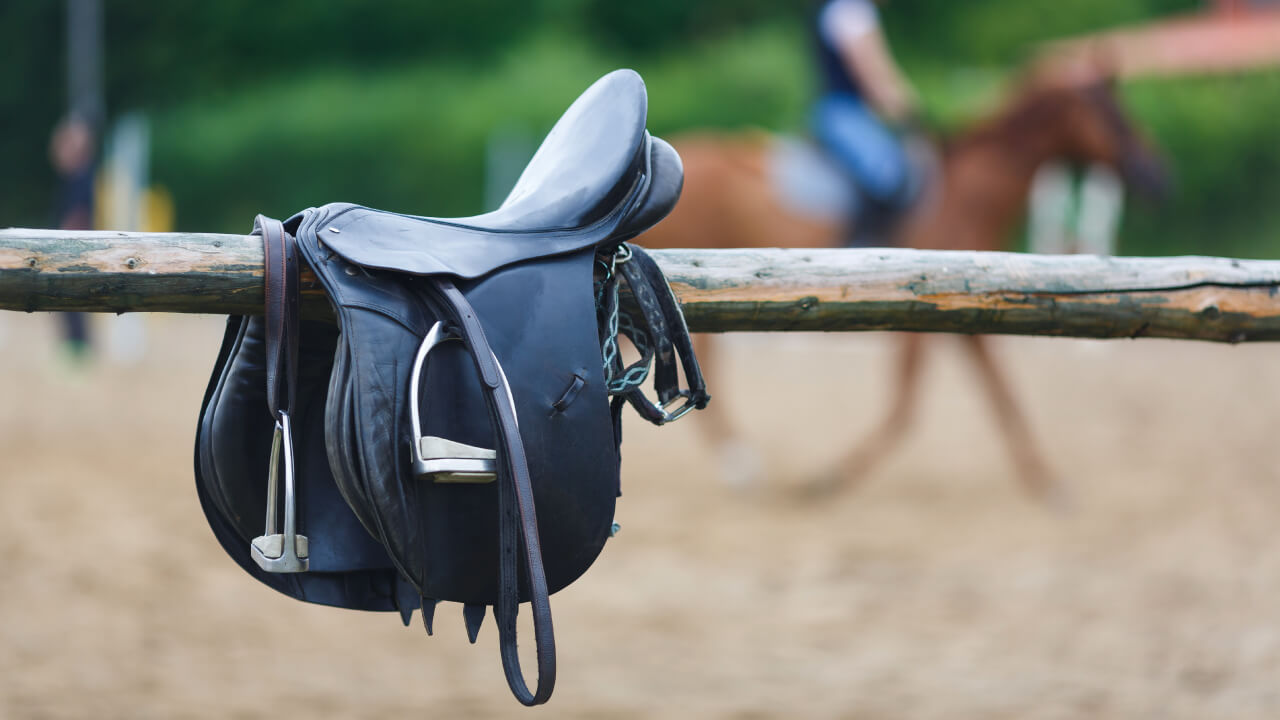
One accessory you might consider is a saddle rain cover. If you ride without one, what problems could arise? Without it, the saddle gets wet and needs drying to prevent mold. Rain covers are made of water-repellent material and are easy to use—simply wipe and fold. But beginners should be cautious, as slipping on the saddle can be risky.
How to Choose Rainwear for Riding

There are specialized rainwear options for horseback riding. Although they can be expensive and resemble regular raincoats, there are distinct differences suitable for equestrian activities. Here are the key differences and options.
Differences Between Riding Rainwear and Regular Raincoats
While they look similar, riding-specific rainwear has vital safety features. For instance, regular raincoats can cause slipping between the saddle and rider, and loose sleeves can interfere with reins handling. Design differences also include more resistant and breathable fabrics that prevent heat buildup and discomfort. Riding rainwear also minimizes noise and movement restrictions, maintaining safety and comfort.
Types and Features of Riding Rainwear
Various types are available: long raincoats offer full coverage but can hinder obstacle navigation, while split rain jackets provide better mobility with protruding parts. RainLegs, worn over riding pants, protect only the front and are suitable for light rain. Proper fit and size are essential for safety; try on and adjust before use.
Is Rainwear Unnecessary if You Don’t Mind Getting Wet?
Some may think they don’t need rainwear if they aren’t bothered by getting wet, but being soaked can drain your stamina and cause cold injuries. Some riding clubs require rain gear even in light rain to ensure safety and comfort.
Precautions for Horseback Riding in the Rain

Deciding to ride in the rain requires proper safety precautions. Check the weather forecast, prepare rain gear and change clothes, and be ready to cancel if necessary. Cold and wet conditions can be exhausting and unsafe. It’s better to cancel if you feel unsure about your energy or safety.
Safety Tips
Verify weather conditions beforehand. Carry rain gear and extra clothes. Rain and cold can cause fatigue. Sometimes, it’s wise to cancel, especially if you feel unwell or uncertain about your stamina.
What to Bring
Don’t forget rainwear and extra clothes. Bring warm layers like hoodies and waterproof gloves to keep warm and dry. A plastic bag for wet or dirty items is convenient.
Summary

Riding in the rain is possible but comes with increased risks and fatigue. Finding good rain gear and enjoying less crowded lessons can make it worthwhile. Be sure to prioritize safety and prepare properly before riding in wet conditions. Why not challenge yourself and enjoy riding on rainy days?