
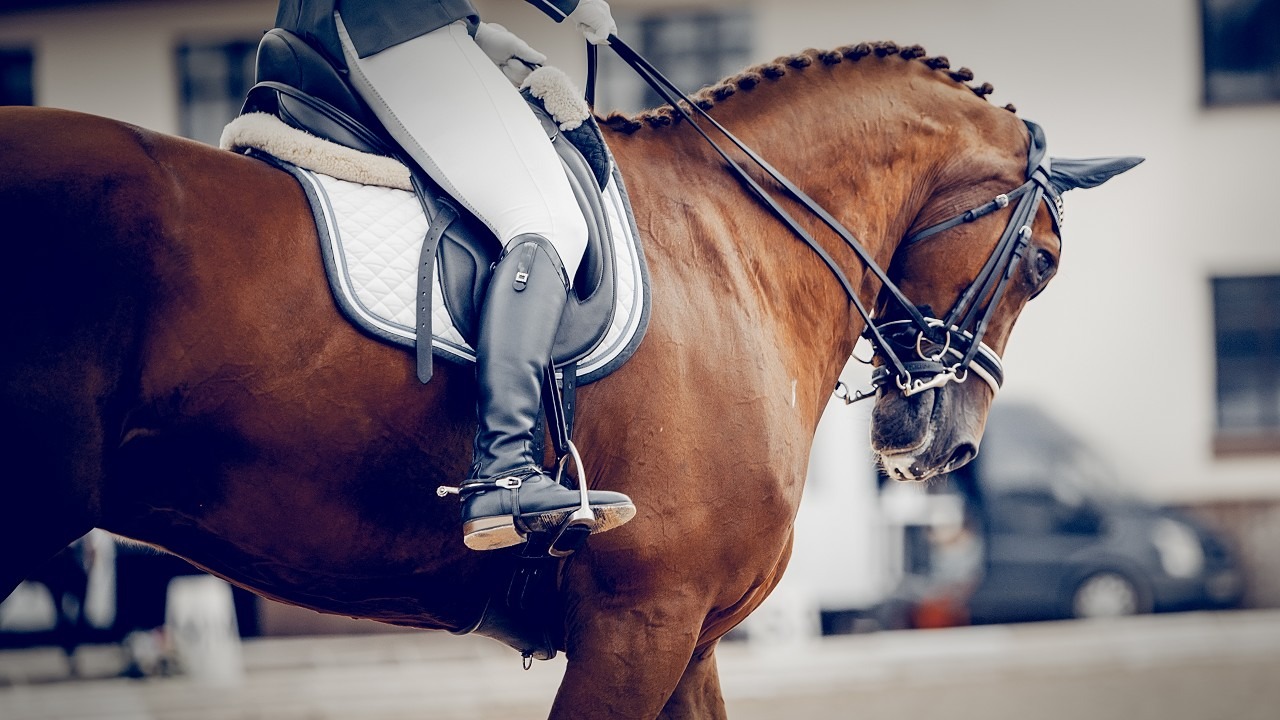
Using your legs is essential in horseback riding. Whether you’re walking or changing gaits, you can’t get started without proper leg use.
When beginners start riding, what image comes to mind when they hear about using legs? Perhaps the familiar image of kicking the horse’s belly with your feet.
The way to use your legs is not just one. This time, we’ll introduce the importance of ‘legs’. Learn how to use your legs effectively and points to remember, so you can communicate clearly with your horse.
What are legs?
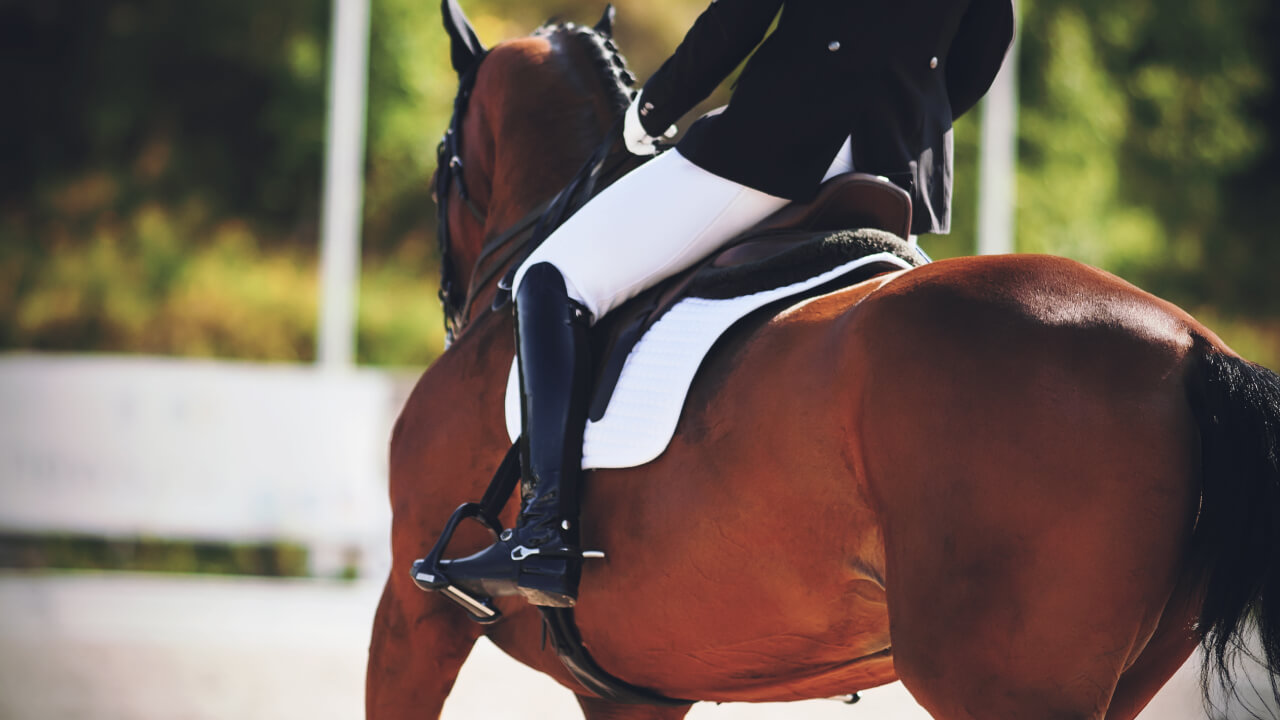
Even if you are instructed to ‘use your legs,’ if you don’t know which part of your body that refers to, you won’t be able to move effectively. You probably don’t often express ‘legs’ in daily life. Therefore, it is essential to understand clearly what ‘legs’ refer to.
‘Legs’ refer to the part below the knees. During lessons, when you are told to ‘use your legs,’ you use the area from the knees down to the horse’s belly to give instructions. This is called ‘leg aids’.
While we move our ankles or feet in daily life, consciously moving the calf muscle is less common, so beginners might find it hard to grasp the timing of giving instructions to the horse using their legs.
How to effectively communicate with your horse using leg cues

Types of leg aids
There are different types of leg aids, including “calf pressure,” “heel raising,” and “kicking with the heel.” Horses respond differently, so it’s necessary to check the horse’s response and adjust accordingly.
For responsive horses, slight pressure with the calf might suffice, but less responsive horses may require a stronger kick with the heel. It’s important to judge which leg aid to use based on the horse’s behavior.
How to use your legs effectively
This section explains how to use your legs based on different types of leg aids.
‘Calf pressure’ involves pressing the horse’s belly firmly with your calves, metaphorically squeezing the sides of the horse’s abdomen. Some horses react strongly to even gentle pressure, so avoid starting with too much force. Gradually increase pressure from light to firm.
‘Raising the heel’ is achieved by touching the horse’s belly with your heel. From a stance where your foot is in the stirrup, slightly lift your heel to stimulate the horse’s belly as a signal. While this is relatively easy for walking, during canter, this partial lift may cause your foot to slip out of the stirrup because the stirrup’s depth changes, so be cautious.
‘Kicking with the heel’ provides the most visual and forceful cue, and may be considered the strongest. It involves aiming your toes outward and hitting the horse’s belly with your heel. This method only requires paying attention to the heel position and kick point, making it easy for beginners to understand and practice.
The way to give leg aids varies significantly depending on the method. Since different horses respond better to different leg techniques, try experimenting to see what works best.
What to keep in mind when using leg aids

When giving leg aids, it’s not enough that your technique is correct; it’s also essential to be aware of the “body position”.
‘Position’ refers to where you place your legs, as the large area of a horse’s belly varies. Simply using your legs anywhere on the belly doesn’t mean the horse will recognize the command or respond.
The correct position for using your legs is generally just behind the girth, but it might vary depending on the command. For sending the horse forward, the position should be slightly behind the girth. For canter, further back by about half a leg length, and for backward movement, about a full leg length behind.
What to do when the horse doesn’t respond to your legs
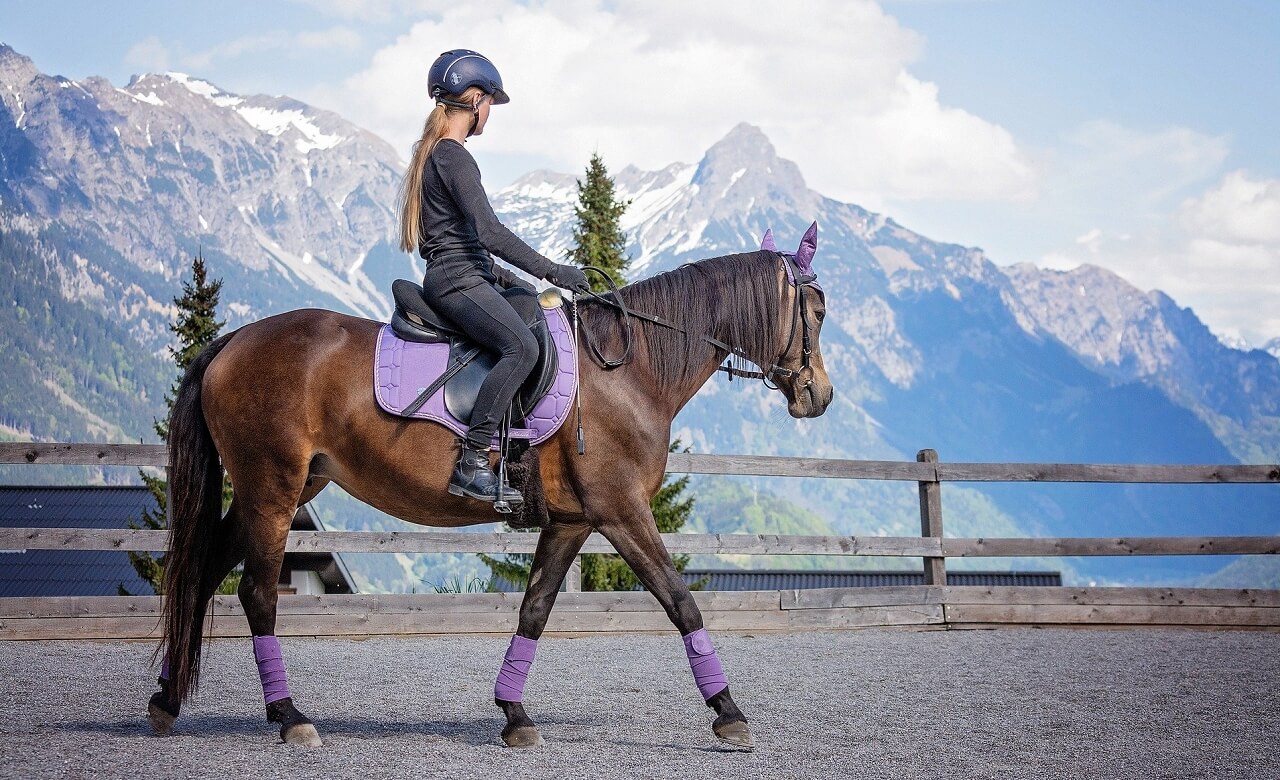
We’ve introduced how to use your legs and what to keep in mind, but riding is about working with a horse that has its own will. Even if you practice these methods, it doesn’t guarantee that all horses will respond as expected.
Sometimes, the horse may not respond for various reasons, even with the same horse. You might think, ‘Is it my compatibility with the horse?’ or ‘Am I not acknowledged by the horse?’ or ‘Am I lacking skill?’
As a countermeasure, using auxiliary aids (副扶助) such as whips or spurs can be effective. Auxiliary aids help reinforce the main aids like legs, hands, or seat. They include tools like ‘whips,’ ‘spurs,’ etc.
Using whips or spurs can make it easier for the horse to focus on the rider’s main aids, improving responsiveness. Some worry that these tools might cause pain or discomfort, but when used correctly, they do not cause pain or suffering.
Additionally, sounds like the rider clicking their tongue (“tongue click”) also serve as effective auxiliary aids, so it’s good to learn these techniques.
Summary
How was it? The leg is vital for instructing horses while riding. Without proper leg use, it’s impossible to lead or change the horse’s gait.
Using your legs as part of your body may seem simple at first, but balancing and cueing correctly while mounted isn’t easy. Effective leg communication requires practice, and it’s not something that can be done thoughtlessly.
Sometimes, the best results come from adjusting your leg use based on the horse. Mastering the basics of leg techniques is the first step to better riding, so start practicing diligently.