
When taking lessons at a riding club, it varies from person to person whether you ride different horses each time or reserve a favorite horse for lessons. Of course, communicating with various horses can be enjoyable, and learning how to handle different quirks and behaviors is part of the experience.
However, owning a horse of your own is a cherished dream, offering unique advantages that cannot be experienced otherwise. Here, we introduce the benefits and costs of owning a horse.
Benefits of Owning a Horse
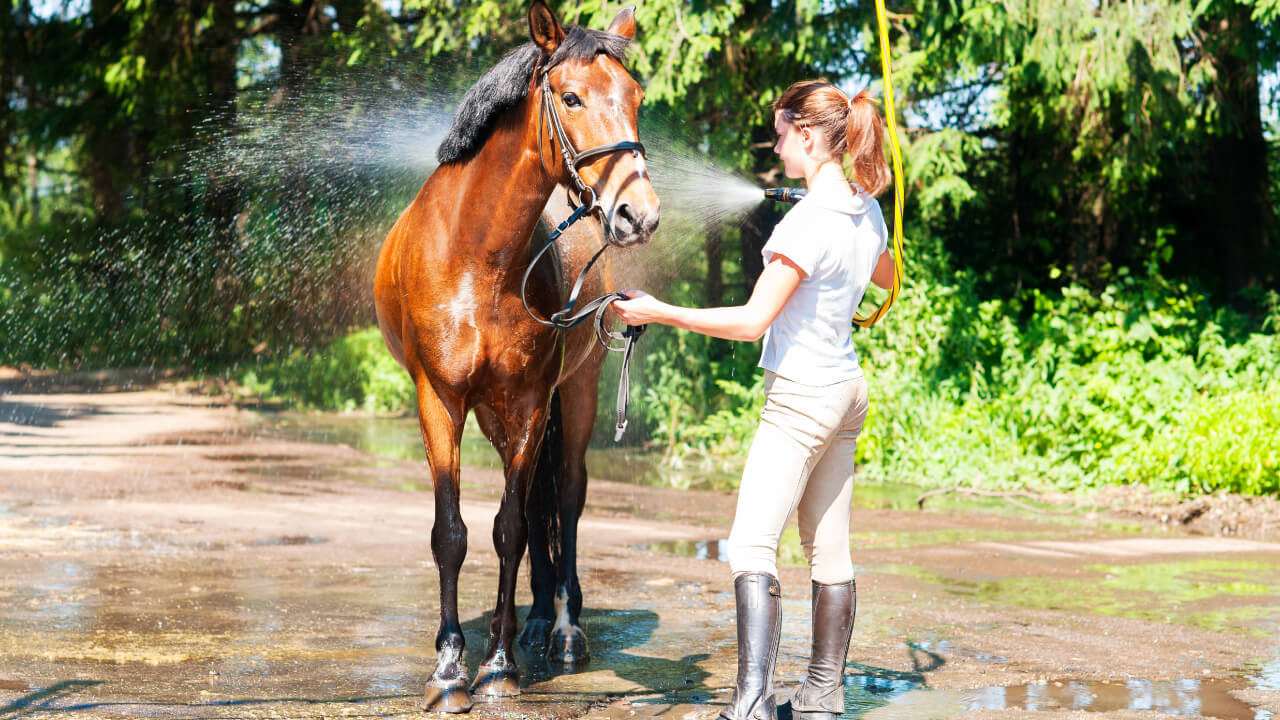
The greatest benefit of owning a horse is the ease of building trust. While the rider’s skill and the horse’s potential are important, riding is more about harmony between human and horse than competition. Continuously riding the same horse allows you to understand its quirks, characteristics, and suitability for different disciplines, making it easier to address its weaknesses.
Many people participate in competitions by renting good horses each time or compete in events with borrowed horses. However, for those competing at national or higher levels, owning a horse is common because riding as a team builds a stronger bond.
About ‘Own Horse’ and ‘Semi-Private Horse’

Many riders dream of owning their own horse because it allows a closer bond through daily life together. Since riding is about harmonizing with the horse, owning your own can foster trust more easily.
However, due to the large size of horses, it isn’t as simple as keeping a dog or cat. You need suitable land for the horse and an environment for exercise.
There are two ways to keep a horse: ‘Own Horse’ and ‘Semi-Private Horse’. While both involve ownership, there are differences in how the ownership is managed. Here, we explain these differences.
Own Horse
Owning a horse means purchasing and keeping it yourself. Many people considering this first think of this method.
Relating to your own horse makes building trust easier. Also, since the horse doesn’t need to adapt to many people, there is less confusion and risk of injury.
You may care for the horse at home, or alternatively, you might own it but leave the care to a riding club, paying fees for that service.
Semi-Private Horse
This involves sharing ownership of a horse with multiple people or co-owning it with a riding club. When shared among individuals, only the owners can ride the horse, but when co-owned with a club, members may ride the horse for lessons when not in use by others.
The horse lives and is cared for at the riding club, but you must pay for feed and maintenance costs.
How to Purchase a Horse
How do you go about purchasing a horse? You won’t find horses in pet shops, right?
In comparison to dogs and cats, there are various ways to acquire a horse, such as asking a trainer to find one, receiving one as a gift, importing from overseas, or adopting a retired competition horse.
While the cost varies depending on the method, expensive doesn’t always mean better, and affordable horses can also be a good match with potential for success.
The most reliable way to find your own horse might be to ask a trainer for help.
Costs and Breakdown
The cost of buying a horse can vary widely depending on its age, bloodline, and training, ranging from tens of thousands to millions of yen. A top-level racehorse can even be worth tens of millions of yen.
Costs don’t stop at the purchase price. Horses are living beings that require food and can get sick, so ongoing expenses are necessary.
Monthly expenses include approximately 50,000 to 100,000 yen for management and about 15,000 to 20,000 yen for shoeing. These include feed, care, and other daily needs. Additional costs include vaccines, treatments for illnesses, transportation for competitions, and grooming tools, among others.
Summary
Owning a horse is a dream for many equestrians. However, purchasing a horse is not a simple task.
It involves significant costs and finding a compatible horse can be challenging, as each horse has a unique personality. Nonetheless, if you aim to compete seriously, riding with your own horse can be key to success.
Understand the benefits and challenges of horse ownership and carefully search for your ideal horse.