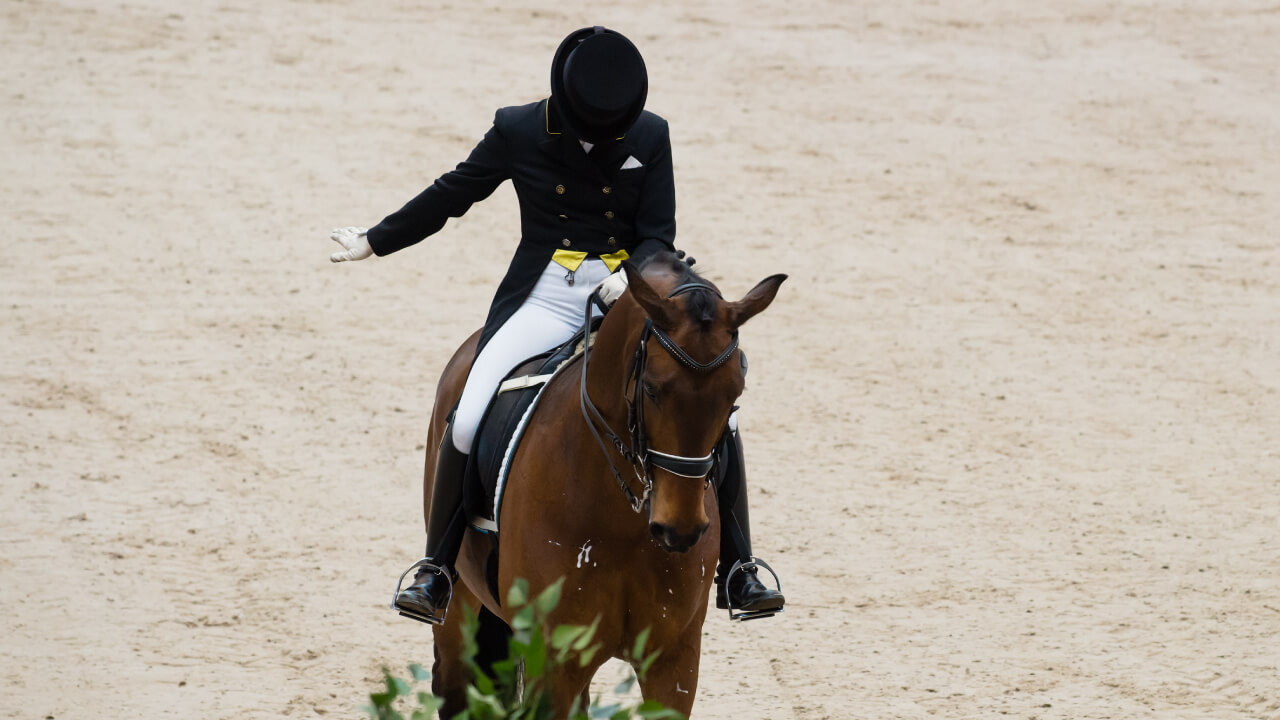
Equestrian sports differ from popular sports like baseball or soccer in that they are not something people watch on a daily basis. However, the powerfully graceful performances of horses and the gentlemanly demeanor of riders captivate many viewers upon first sight.
Learning about the types and scoring methods of equestrian competitions can spark interest for those unfamiliar. Likewise, enthusiasts who understand the details and evaluation criteria can better appreciate the skills of the riders and the excitement of the sport.
Below, we introduce the different categories of equestrian sports and explain the content and scoring methods of the three Olympic disciplines: Dressage, Show Jumping, and Eventing.
Types of Equestrian Sports
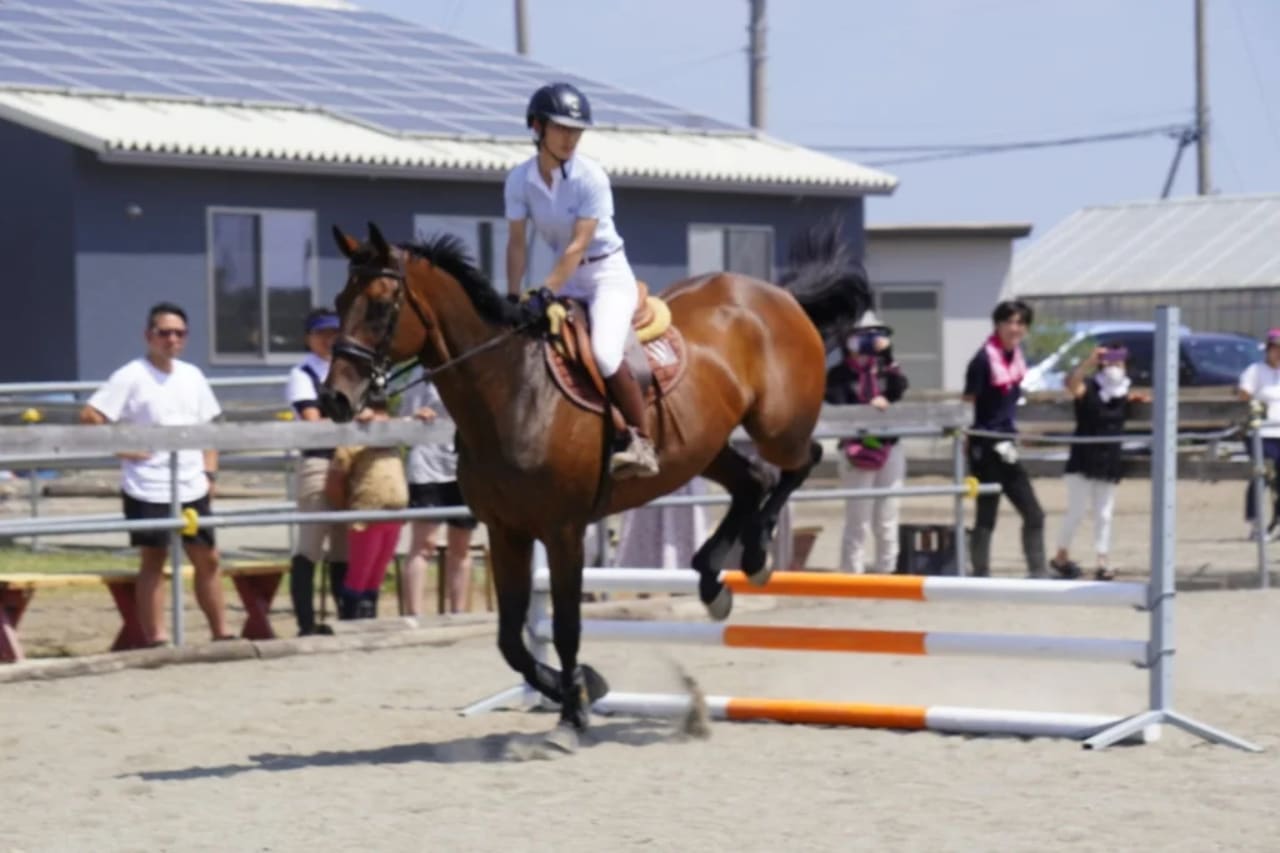
What kind of sport do you imagine when you hear ‘equestrian’? Although it is one of the sports included in the Olympics, the events in the Olympics are only a subset of equestrian disciplines.
Equestrian sports include ‘Dressage,’ ‘Show Jumping,’ ‘Eventing,’ ‘Endurance,’ ‘Mounted Archery,’ ‘Riding High Jump,’ and ‘Riding Broad Jump,’ among others. The Olympic sports are mainly ‘Dressage,’ ‘Show Jumping,’ and ‘Eventing.’ Each discipline emphasizes different skills, such as aesthetics, agility over obstacles, or speed. All require harmony between rider and horse, showcasing their teamwork.
Dressage: Content and Scoring
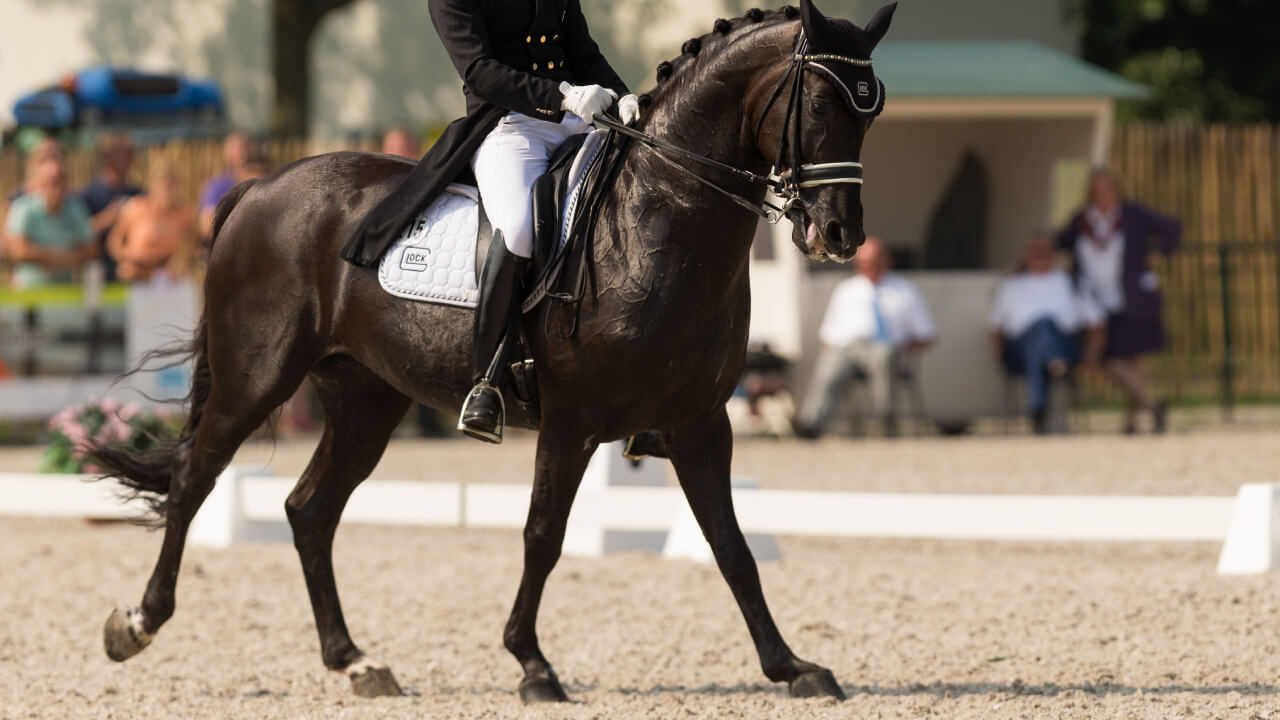
Dressage is a prominent event in equestrian sport. Although it does not involve the dramatic jumps of show jumping, many are fascinated by the horse’s expressive movements and the rider’s refined posture.
This section introduces the content and evaluation methods of dressage.
Content of the Competition
In a rectangular arena, riders perform figures and steps such as passage and piaffe to demonstrate precision and artistry. There are fixed routines called “regulated dressage,” and free routines where riders create their own choreography and music, similar to figure skating.
The arena measures 20m x 60m and markers guide performers. Riders must give subtle cues without visible aids like whips, demonstrating grace and control.
Scoring Method
Judged by multiple officials, scores for each movement and the overall performance are combined to rank riders. Scores are from 0 to 10, and penalizations occur if the horse shows resistance or puts out its tongue.
Show Jumping: Content and Scoring
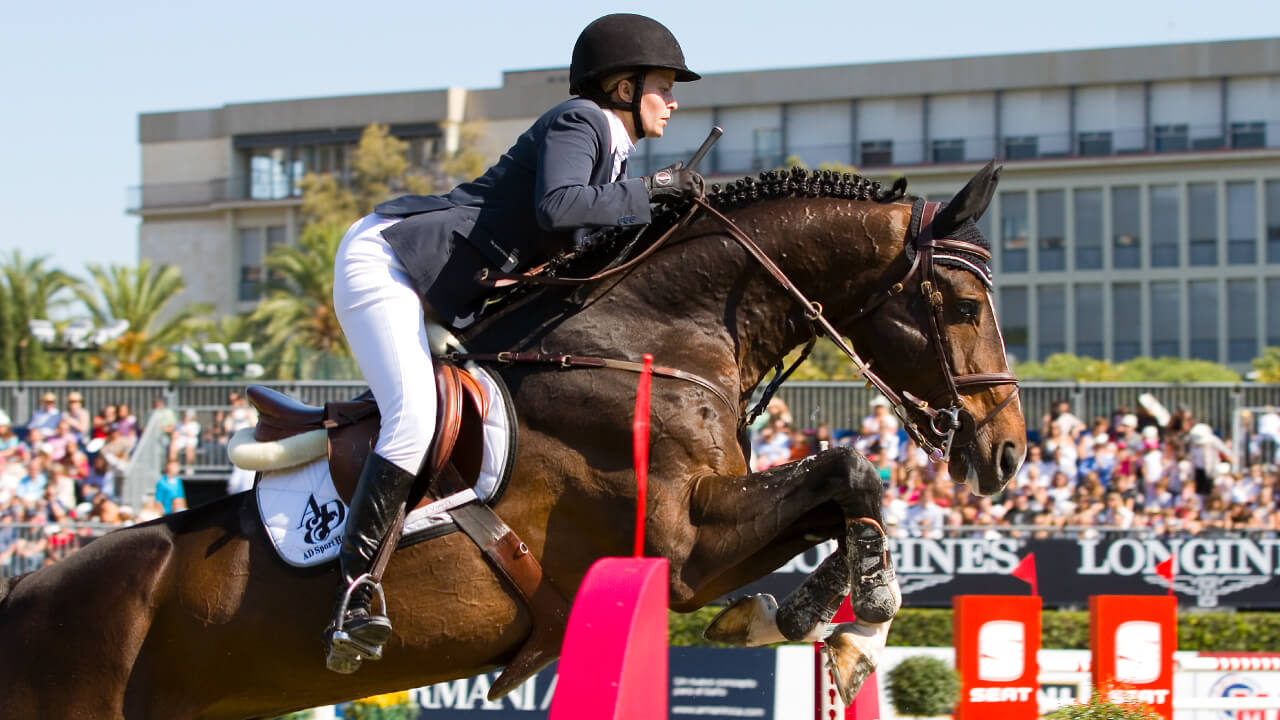
This popular equestrian event involves jumping over obstacles set in the arena, a visualization many have seen. Even without detailed knowledge, one can appreciate the skill and elegance of the riders and horses. This section explains the content and scoring of show jumping.
Content of the Event
Riders aim to clear a series of obstacles of varying heights in a set order to reach the finish line. While precision is vital, speed is also a key factor. The obstacles can be up to 160cm high, making the sport highly challenging. There are two types of scoring: traditional and speed & handicaps, with different penalties for knocking down obstacles or exceeding time limits.
The standard competition involves penalties for knocking down obstacles (4 points each), refusals (4 or 40 points), and exceeding time limits (0.4 points per second).
In the Olympic standard, refusals, falls, or exceeding the time result in elimination. Speed and handicap events add penalty seconds to the rider’s time.
Scoring Method
In standard scoring, fewer penalties lead to higher rankings. In speed & handicap, the fastest rider wins, with penalties added to the total time.
Eventing: Content and Scoring
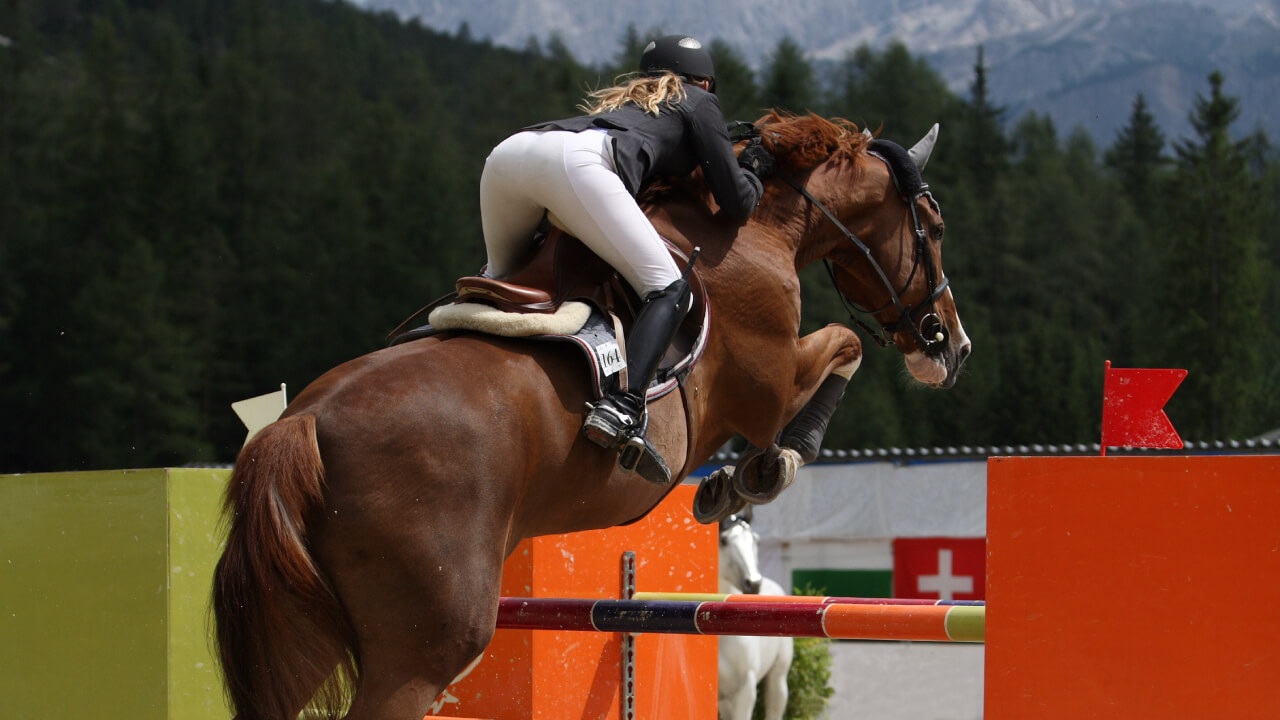
This demanding event, often called a horse triathlon, involves three days of competitions: dressage, cross-country, and show jumping. Participants must maintain high levels of stamina, mental strength, and coordination across all three days, using the same horse.
Schedule: Day 1 – Dressage, Day 2 – Cross-country, Day 3 – Show jumping. The final day includes a veterinary check, with only healthy horses allowed to compete.
The cross-country phase is especially challenging, with a course of about 6 km featuring natural obstacles such as logs, ponds, and bamboo fences, with 30-40 jumps.
Scoring Method
All three phases are scored with penalties. Dressage scores are based on execution and artistry, along with equipment checks. Cross-country requires completing the course within a set time, with penalties for time over (0.4 points per second), refusals (20 or 40 points), and falls or refusals (elimination). Show jumping penalties include obstacle knockdowns (4 points), exceeding time (0.4 points/sec), and refusals or falls (elimination).
Qualifications for Entry
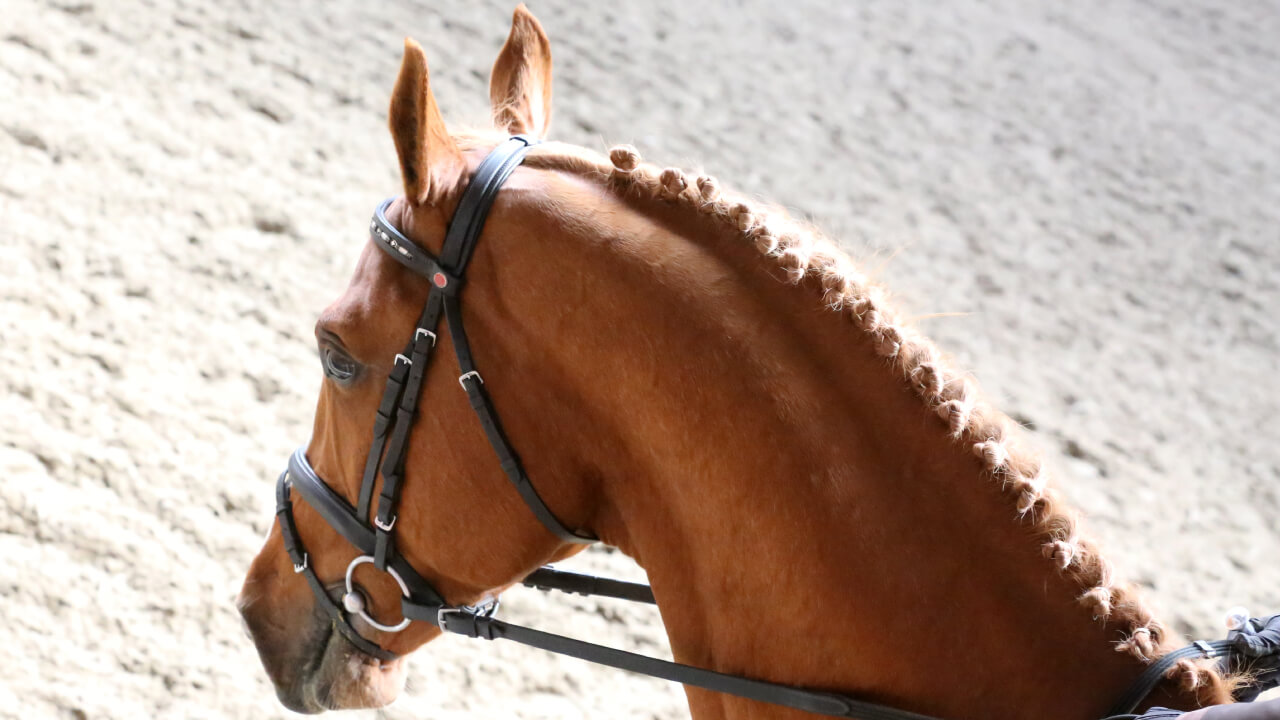
Participation in equestrian competitions is regulated by eligibility requirements, which vary by event level. One key requirement for competing in the Japan Equestrian Federation-approved events is obtaining certification such as Riding Rider Qualification A or B, which are official qualifications recognized by the federation. International competitions require a Level A qualification. First, aspiring competitors should aim to acquire these certifications to participate in official events.
Summary
As you see, there are many types of equestrian competitions, including those featured in the Olympics. Since these sports involve harmony between human and horse, they are elegant yet powerful. Riders must not only manage their own skills but also properly care for and establish trust with their horses, making it a challenging discipline.
Furthermore, participation in competitions requires qualification, so developing skills and raising the level is essential. If you’re interested in competing, start by obtaining the necessary certifications and improving your skills.