
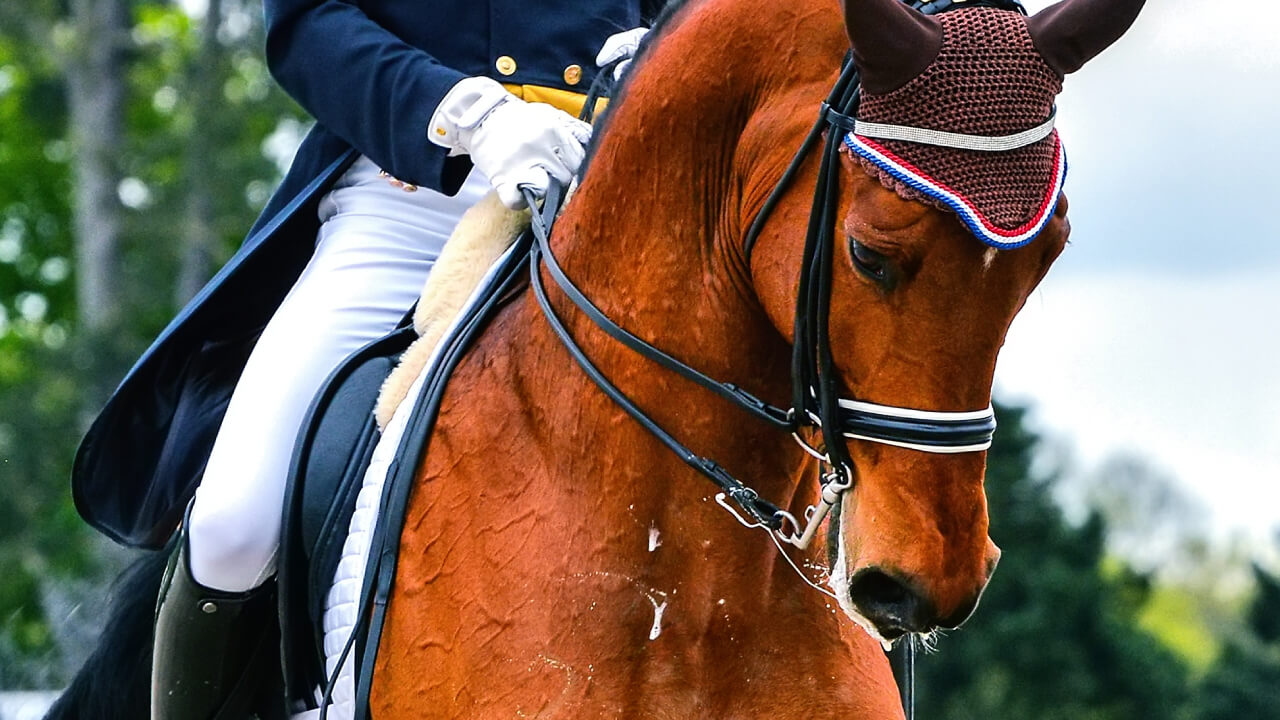
Equestrian sports require a strong bond between horse and rider, and building mutual trust is key to achieving success in competitions. While it might seem logical that horses from different countries travel with their riders to international events like the Olympics, horses also need to travel to the host country alongside their riders to perform at their best.
As the Olympics are held, horses from various countries arrive in Japan. This raises the question: how do these horses travel to Japan?
In some cases, they travel for dozens of hours. Horses are sensitive and timid creatures. Is it possible for them to fly without fear?
This article explains how horses participating in the Olympics travel to Japan.
Long-distance domestic travel for racehorses
Of course, when horses participate in domestic or international equestrian events, they must travel with their riders. Here, we first introduce domestic travel methods.
Have you seen trucks labeled ‘Racehorse Transport’? In Japan, horses are transported mainly by specially designed vehicles.
These vehicles are designed with horses’ sensitivity and timidity in mind. They feature air-conditioned interiors to prevent overheating and are constructed with windows that minimize unnecessary stimuli such as light.
Additionally, horses are accommodated in individual stalls that are spacious enough to prevent injuries from sudden movements, yet compact enough to avoid excessive jolts. Drivers exercise utmost caution, adhering to speed limits and avoiding rough roads to prevent stress on the horses.
Braking is carefully managed; a soft brake signals the vehicle to slow down gently and avoid startling the horses. Modern trucks, such as those used by the Japan Racing Association, are equipped with advanced air conditioning and are used for transportation from airports to equestrian venues and within Japan.
Links related to domestic horse transport trucks
- Japan Horse Transport Co., Ltd.
- News article on horse transportation — Source: Kuruma News
Horses arrive by plane from overseas for the Olympics
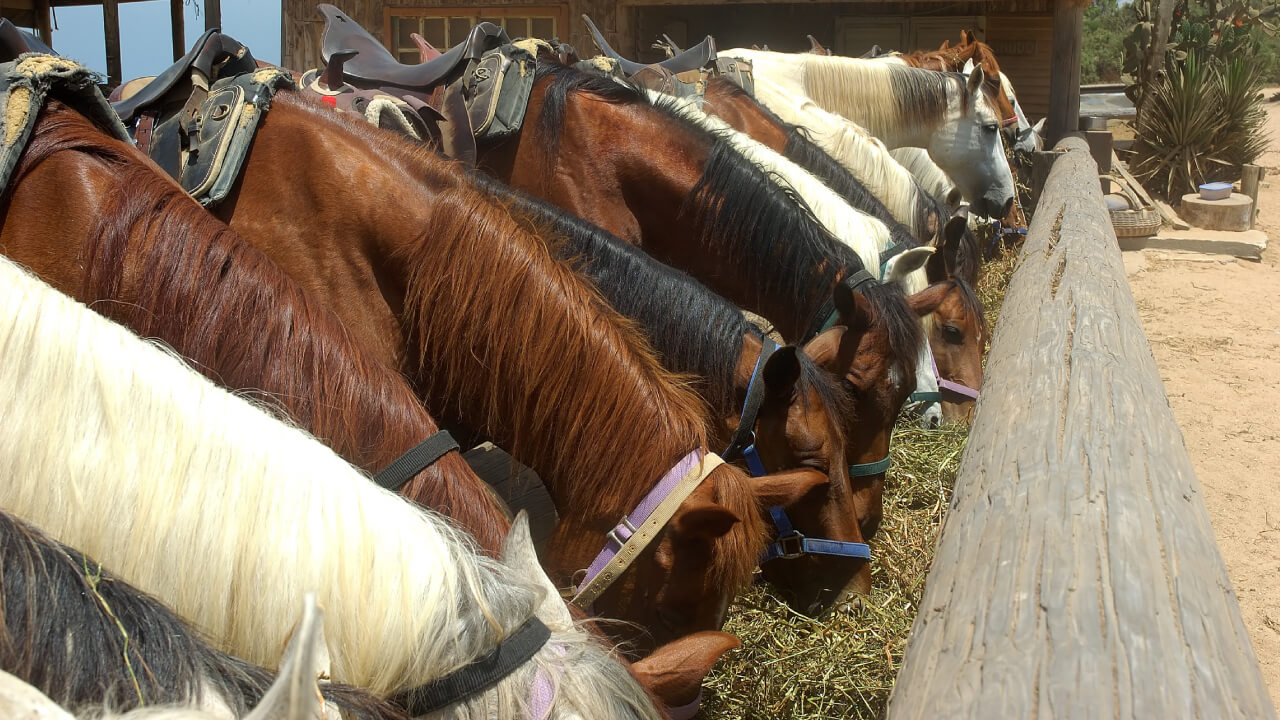
For the Olympics, horses are transported by plane from various countries. The aircraft used is Emirates Sky Cargo’s Boeing 777-F, a cargo plane equipped specially for horses.
Horses are issued passports just like humans, which include details such as their country of residence and coat color.
In the current COVID-19 situation, measures to prevent infection have been emphasized. Horses undergo health checks 60 days prior to departure and are quarantined for 7 days. An export health certificate is also issued.
The time it takes for horses to arrive varies by country, ranging from a few hours to several dozen hours, which is also tiring for the horses.
Flying can be stressful for horses as it involves significant environmental changes. While efforts are made to create a stable environment similar to their stalls, horses must board the aircraft themselves, which can cause excitement or stress.
To monitor their well-being, handlers and veterinarians accompany the horses during transport, checking for stress or health issues and intervening as necessary. Flying assistants are trained to provide proper care during the journey, and veterinarians inspect the horses before and after flights to detect any changes.
Spacious space per horse during transport
Do you know how much space is allocated to each horse during flight? Each horse is given enough space roughly equivalent to business class.
In terms of human travel, it can be imagined as the spaciousness of business class, which provides comfort and room to move. Similarly, horses are transported in roomy stalls called ‘pallets,’ which ensure a safe and comfortable environment.
Typically, two horses share a pallet, and there is an option to upgrade to first class for a more spacious journey, which can help reduce stress.
Despite concerns that long hours of travel might be uncomfortable, horses can stand and sleep naturally, as they are accustomed to standing while resting. Therefore, extended journeys are possible without issues.
Before the flight, horses are fed porridge-like feed, and during the flight, they are given hay and water. Some horses are even given drinks with apple juice, and special care is taken to ensure they can eat and drink freely.
Total weight and team involved in transporting Olympic horses
The total weight of horses and equipment transported for the Olympics, including veterinary staff, reaches approximately 22 tons in European shipments. About 40 liters of water per horse and roughly 13kg of equipment are also transported per horse.
In total, 14 planes were used for horse transportation during the Olympics, and five for the Paralympics. These flights involved veterinarians and flight attendants responsible for caring for the horses, totaling 59 staff members traveling with the animals.
Summary
As you can see, horses participating in the Olympics come from overseas just like the athletes. Some people might think that horses competing in Japan are local, but in fact, for equestrian events, many horses travel internationally, and trust and training are essential before the competition.
Horses are delicate and timid, and long flights require careful planning and care. The care team, including veterinarians and handlers, work hard to ensure they arrive in optimal condition. The fact that so many staff are involved in supporting the horses highlights the effort and dedication behind the scenes.
Despite the ongoing pandemic, the organizers make extra efforts to prevent infection by enforcing quarantine and health monitoring, ensuring the safety of both horses and participants. This shows that hosting the Olympics involves meticulous planning and teamwork, especially concerning the well-being of the horses.
Behind the spectacular performances, there are countless people working tirelessly to make it possible.