Feeling like a Cowboy? What Is Western Riding?
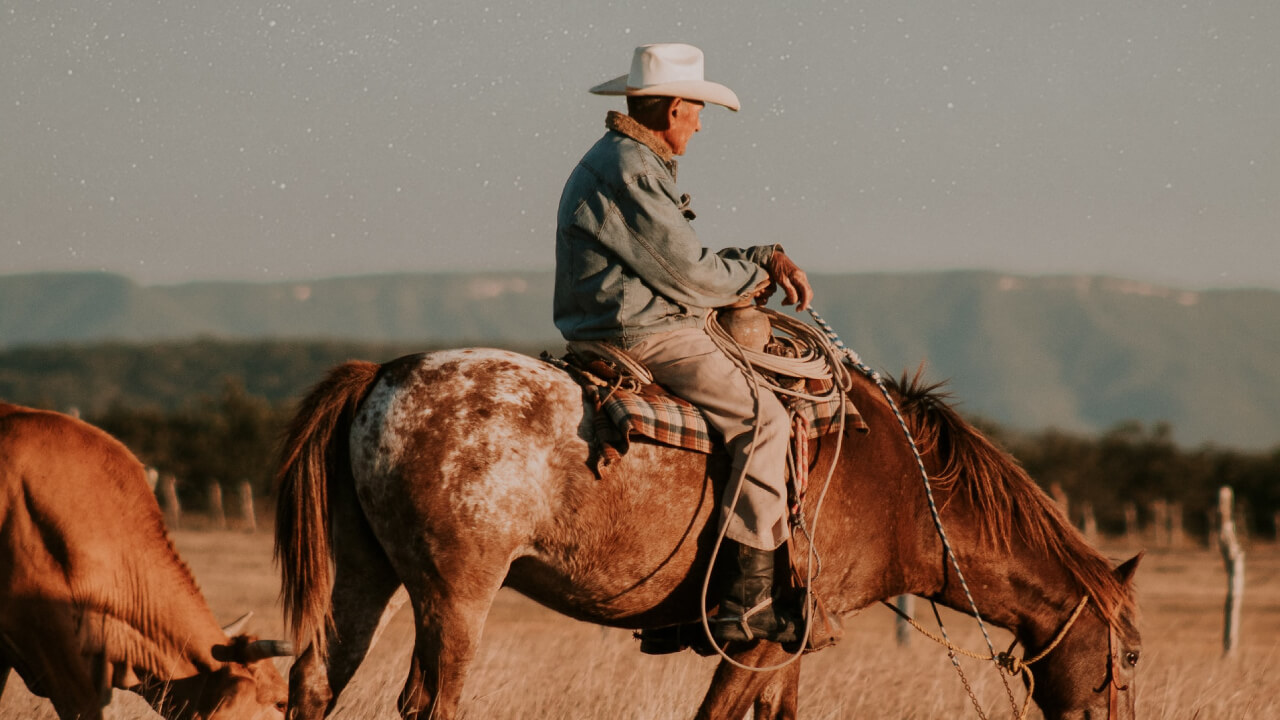
When you hear ‘horseback riding,’ what images come to mind? Perhaps a rider elegantly jumping over obstacles in a black jacket, like in the Olympics? Or maybe a cowboy from old Western movies? There are two main styles of horseback riding: British style, which you may have seen in Olympic competitions, and Western style, originating from cowboy traditions. In Japan, British riding is common, but you can also try Western riding. With a cowboy hat, jeans, and cowboy boots, you can feel like a cowboy right here in modern Japan.
What Are the Differences Between Western and British Riding?
Horseback riding is broadly divided into two styles: Western and British. Here, we explain the differences between them.
Western
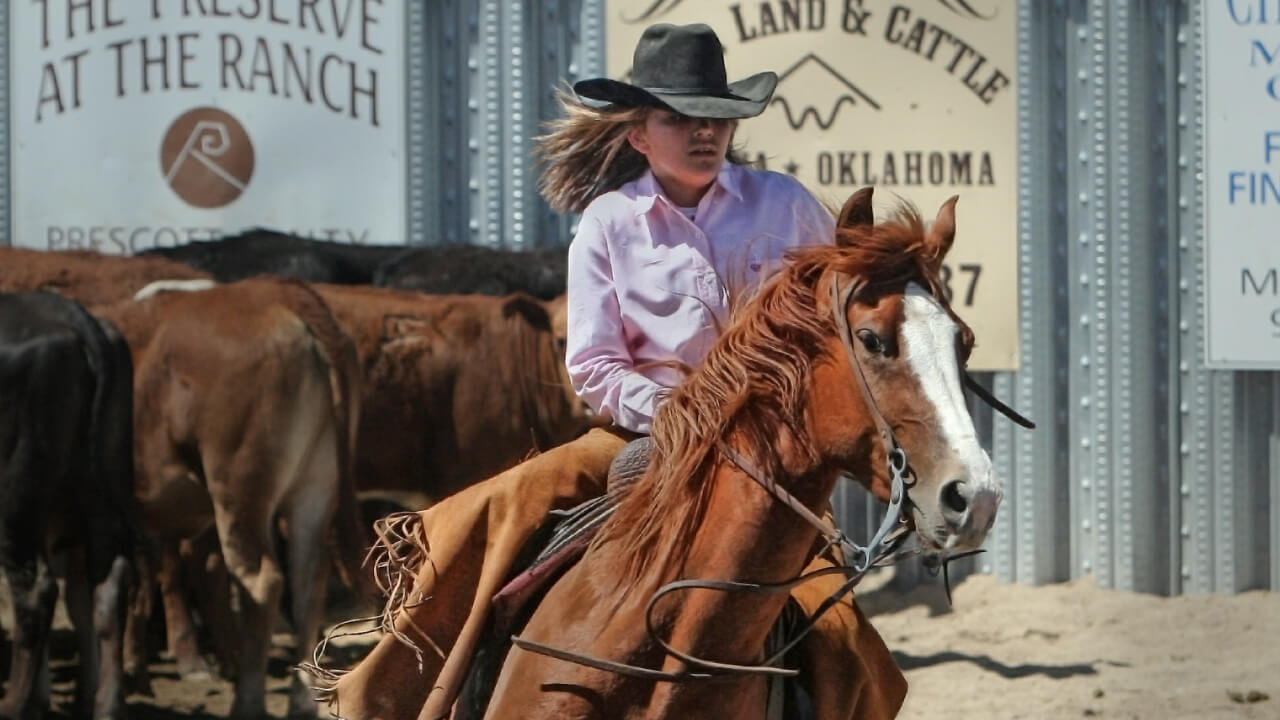
Western riding originated from cowboy cattle herding. Cattle may seem slow-moving, but they are actually alert and intelligent animals. Cowboys spend all day chasing cattle on horseback, so the riding style emphasizes natural movement that minimizes fatigue for both horse and rider. For example, the reins are often slack, and the horse’s head is kept level. One characteristic of Western riding is the use of a one-handed rein grip, which allows the other hand to be free for work—though advanced riders mainly use two-handed reins outside competitions. Western attire includes cowboy hats with wide brims for sun and rain protection, durable jeans, and specially designed cowboy boots that are easy to put in stirrups and reduce fall risks. These practical clothing choices reflect the working origins of Western riding.
British
British riding developed from military horsemanship, which has different requirements for the horse and rider. The riding style, training methods, and tack differ significantly from Western. British riding typically involves keeping the reins taut, lifting the horse’s head, and tucking the jaw. Competitions often require formal attire, including shirts, jackets, and helmets, with specific regulations depending on the discipline.
What Are the Typical Horses Used in Western Riding?
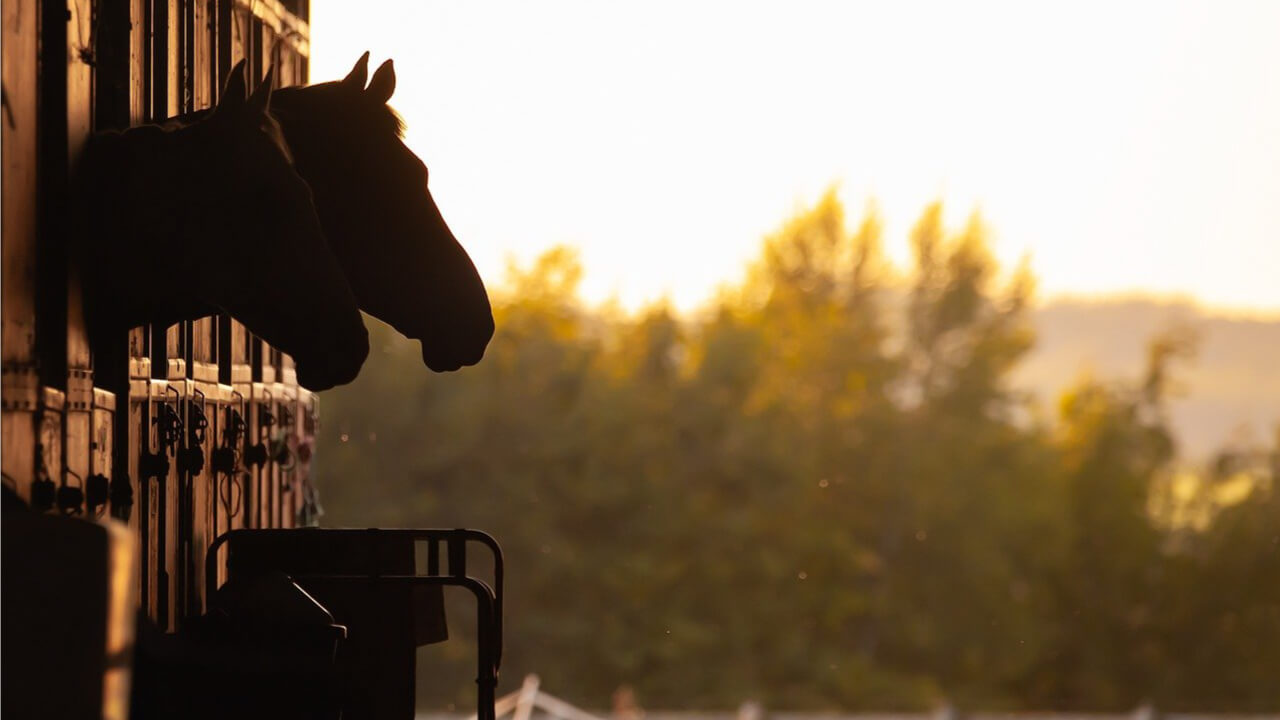
The horses mainly used in Western riding are Quarter Horses, officially called American Quarter Horses, originating from Virginia, USA. They are also competitive racehorses in America but are not used for racing in Japan. Some are shown as guide horses at local racetracks. They stand about 150 cm tall, weigh around 400 kg, and have a muscular build with quick acceleration. They are very obedient and can handle rough feeding conditions, making them ideal for cowboys.
Western Riding and Rodeo Are Completely Different Sports
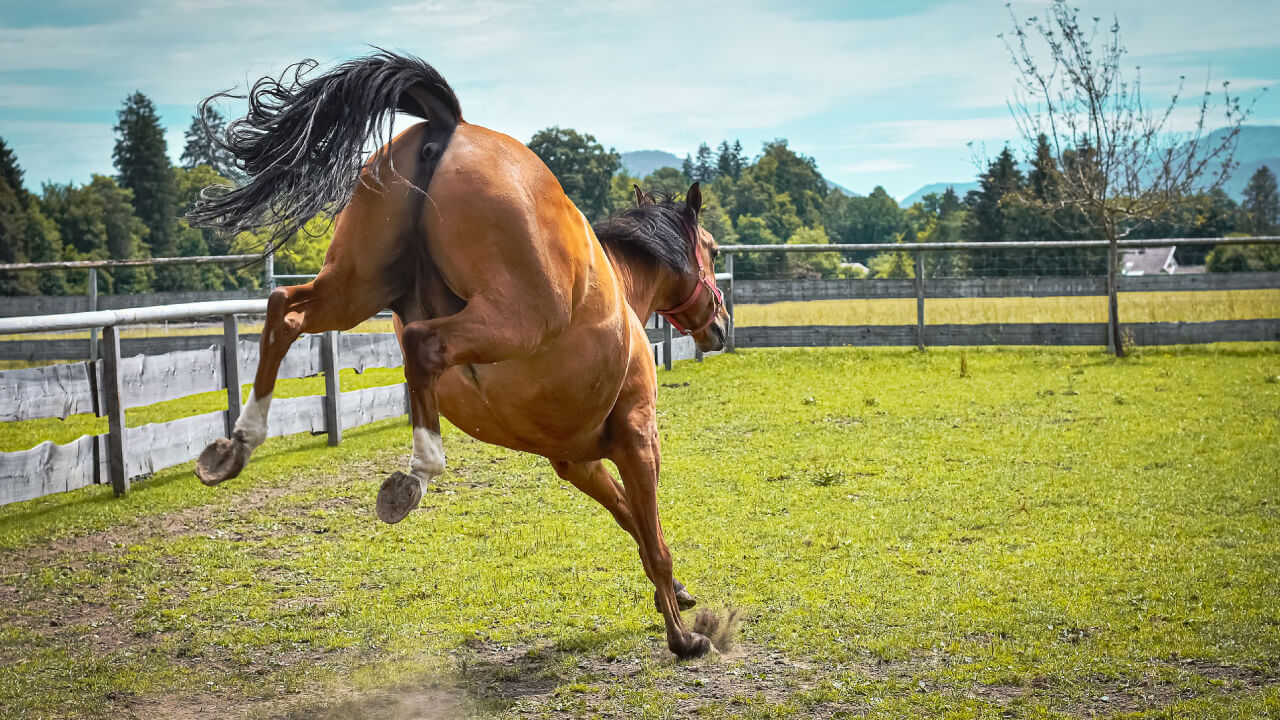
When pondering Western riding, some might think of rodeo, which features bucking horses. While both rooted in cowboy culture, Western riding and rodeo are entirely different sports.
What is Rodeo?
Rodeo originated in North America and is a traditional sport using livestock like cattle and horses, sometimes including cattle. It developed from cowboy skills such as capturing wild cattle in the wild and branding or shipping them, as well as showcasing riding skills and bravery. Today, it has established rules and is a professional sport. Top athletes compete in various events for prize money, similar to golf tournaments, with series championships based on total earnings.
Rodeo Events
Rodeo includes several events with strict rules, beyond simply riding aggressive horses. Knowing the rules enhances the viewing experience. Major events include Roughstock, where riders stay on bucking horses or bulls for a set time, and timed events, which are categorized further. Examples include Steer Wrestling, Team Roping, Tiedown Roping, and Barrel Racing, each simulating cowboy work tasks. These competitions highlight speed, agility, and skill, offering a diverse range of exciting performances.
Where Can You Enjoy Western Riding?
If you want to experience the cowboy vibe in Japan, several places offer Western riding. Here are some recommended spots.
Horseback Riding Club 4C-RANCH
Located in Karatsu, Saga Prefecture, 4C-RANCH is not about lunch—it’s about riding and cattle ranching. It offers various programs, including gentle horse rides, lessons for elementary students, horse therapy, and mental support riding, designed to foster awareness and healing through horses.
Goto Island Western Riding Club
This riding club is on Goto Island off Nagasaki. Surrounded by breathtaking natural scenery, the island offers both ocean and mountain views. Imagine riding through such beautiful landscapes—it’s an exciting thought.
Kanagi Western Riding Park
Located in Hamada, Shimane Prefecture, this park emphasizes the bond with horses. Visitors can enjoy carrot feeding, gentle rides, and indoor arenas to ride regardless of weather, making it fun for all ages.
Hat Creek Western Riding Club
Located in Hamamatsu, Shizuoka Prefecture, at about 400 meters elevation, it’s popular for trekking and riding experiences. They also offer gentle guiding rides for children over 6, housed in a cozy country-style clubhouse.
Marlin’s Stable Western Riding
Based in Sasayama, Hyogo Prefecture, it offers personalized lessons for all skill levels, whether aiming to improve or just enjoy a relaxed ride.
Summary
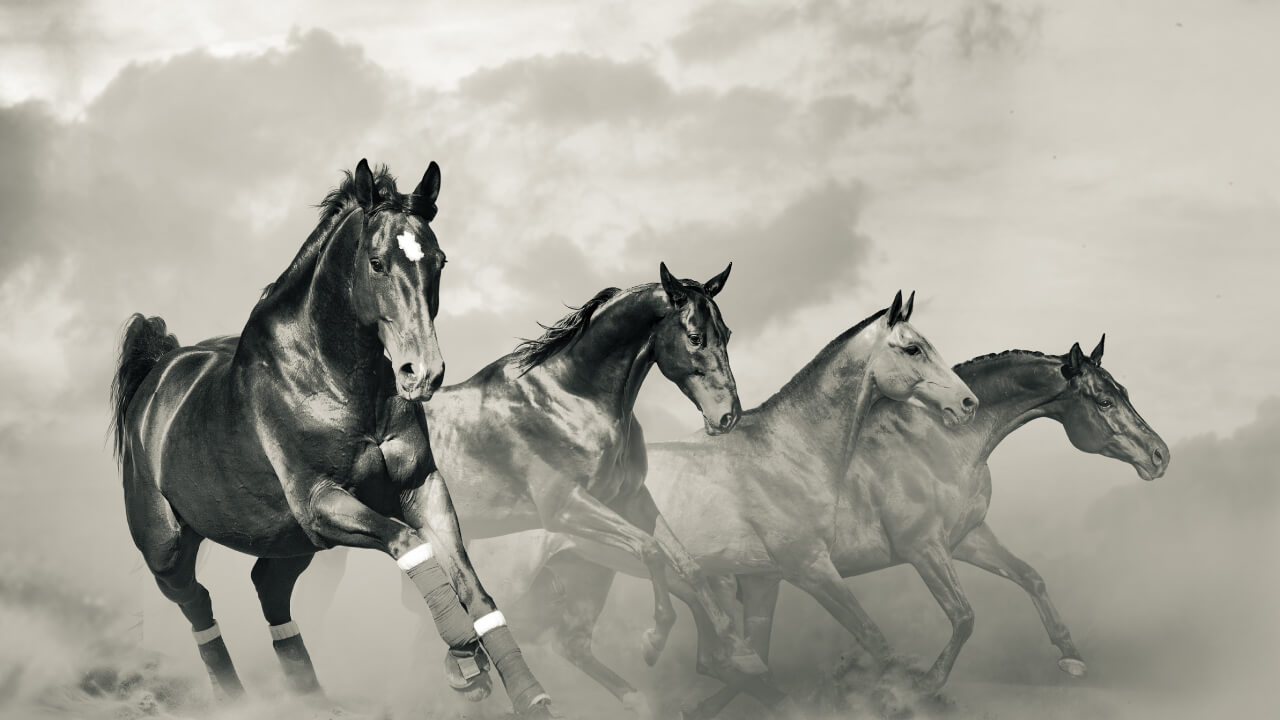
Western riding, established through cowboy work, offers a unique experience. Even if you are new to riding or usually enjoy British styles, Western riding can help you transform both body and mind into that of a cowboy. Riding and reflecting on the path of early pioneers of the West can also be very refreshing and rejuvenating.