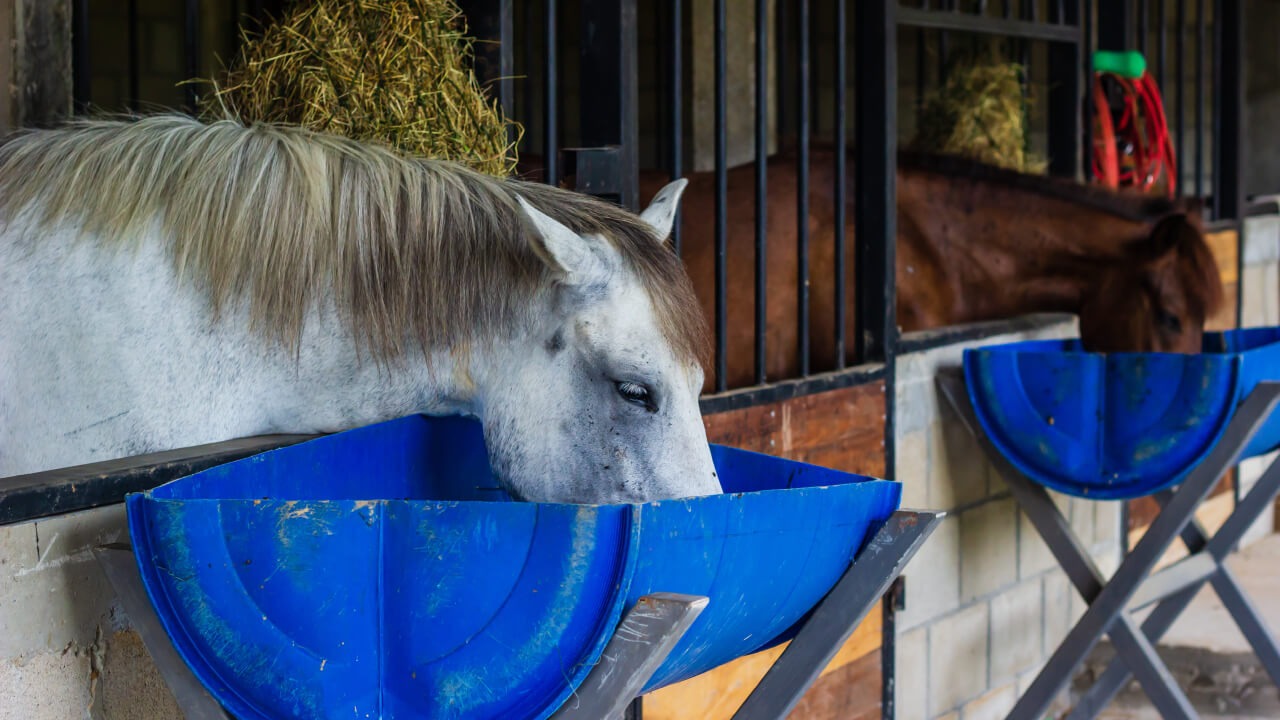
What comes to mind when you hear about horse feed? Since horses are herbivores, you probably think of pasture grass and hay.
Horse feed mainly consists of pasture and hay, just as you might imagine. But is that enough to provide all the necessary nutrients? The answer is no, especially for highly active horses like racehorses or those participating in riding clubs, where pasture alone may lead to nutritional deficiencies.
So, what do horses eat, and which nutrients are essential for their health? Here, we introduce important feeding points and nutritional components for horses.
What are the Essential Nutrients for Horses and Their Functions?
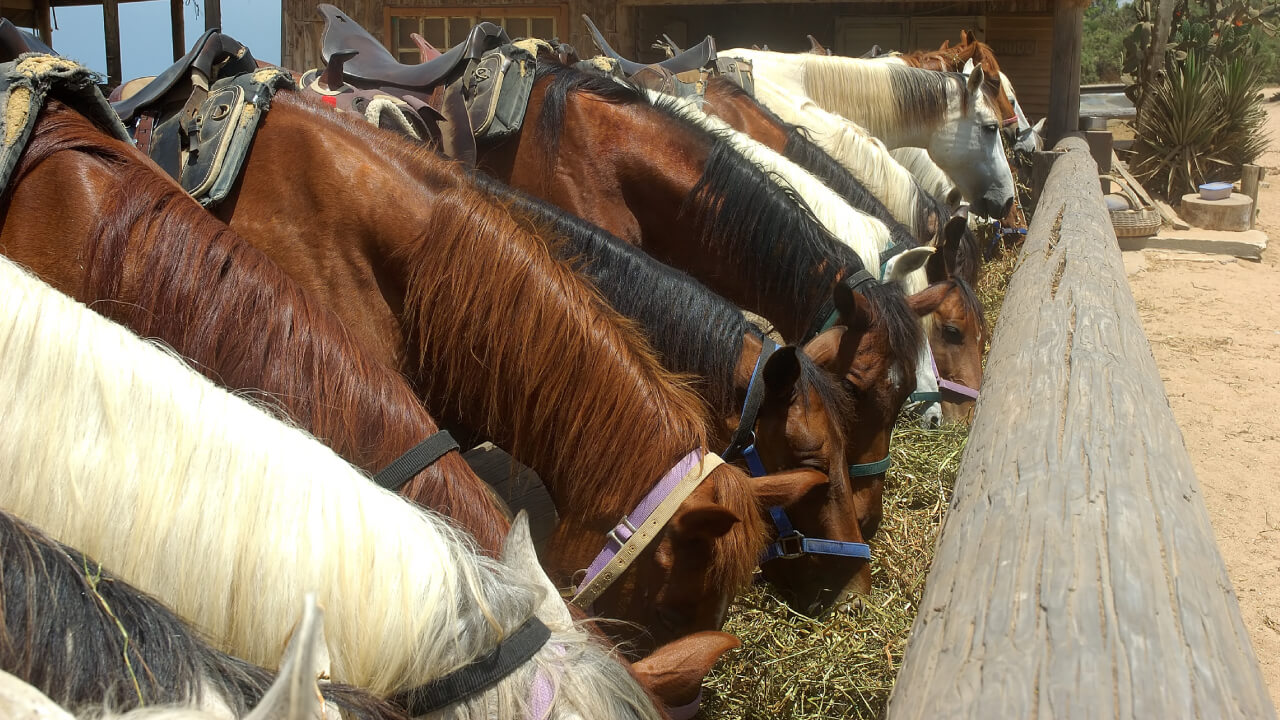
Just like humans need to be mindful of their diet to stay healthy, horses require careful nutritional management to maintain their large bodies. To ensure horses get a balanced intake of essential nutrients, owners need to understand what amino acids, carbohydrates, fats, and minerals do for the horse’s health. The key nutrients are ‘protein,’ ‘carbohydrates,’ ‘fats,’ and ‘minerals.’
‘Protein’ is necessary for building muscles and other tissues, mainly obtained from pasture and hay. Leguminous plants like alfalfa are rich in protein and are often selected as feed. Protein-rich foods like soybeans and soybean meal can also be mixed into their diet to aid recovery from fatigue.
‘Carbohydrates’ serve as the primary energy source for movement. Whether walking or running, horses need a lot of energy. Glycogen, produced from carbohydrates, is stored in muscles and provides quick energy during exercise. Grains and corn are sources of carbohydrates, but overfeeding can cause digestion problems, so moderation is essential.
‘Fats’ are converted into energy after digestion and are less abundant in horse feed compared to human diets. They can substitute for carbohydrates and help conserve their intake. Leguminous plants tend to contain higher fat levels.
‘Minerals’ are vital for building tissue and strengthening bones, which horses obtain from alfalfa, salt, and soil. Providing salt helps prevent summer fatigue and aids digestion, so salt powder is often mixed into feed or given directly.
All these nutrients should be provided in a well-balanced manner.
Things to Consider When Feeding Horses
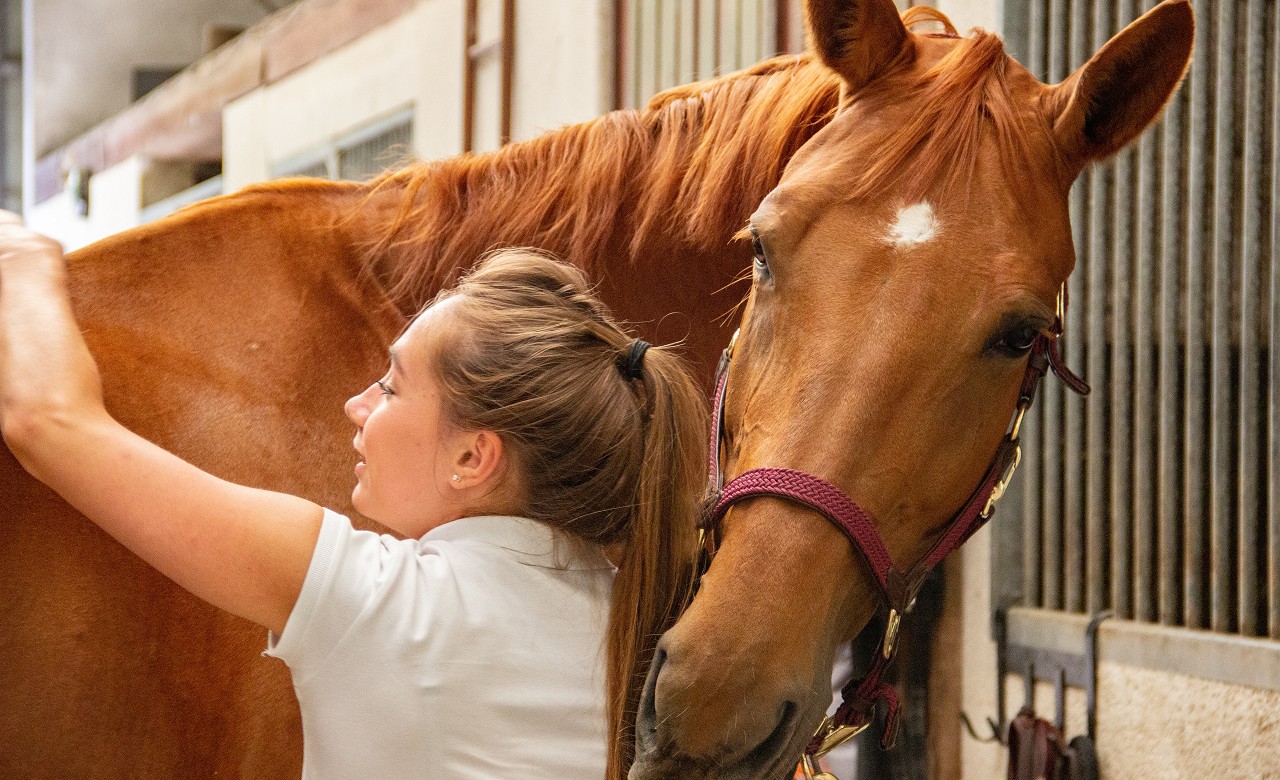
Because animals have different body structures and characteristics, their feed must be tailored to each species. Horses are no exception, and there are several important points to keep in mind when feeding them. Here we outline those considerations.
Monitor Portion Sizes
Racehorses typically consume about 12-15 kg of feed and 20-40 liters of water daily. Horses spend most of their day—around 11 hours—eating. Since they need large amounts of energy for their big bodies to move, eating a lot is essential. However, the horse’s stomach cannot handle large quantities at once, which is why feed should be given in small, frequent portions.
Dividing the daily feed into several smaller meals makes digestion easier and maximizes nutrient absorption.
Watch for Colic
Feeding horses immediately before exercise can cause indigestion and increase the risk of colic. Hydration is critical for horses that eat a lot of hay or pasture. Providing ample water helps flush the digestive system, preventing colic.
Ensure Adequate Salt Intake
Salt is essential for horse health, summer resilience, and recovery from fatigue. While adding salt to feed or providing salt blocks might seem excessive, horses can safely lick salt directly. Deficiency can affect growth, so ensuring sufficient salt intake is necessary.
Types of Feed: Roughage, Concentrates, and Supplements
Horse feed is broadly categorized into three types: ‘roughage,’ ‘concentrates,’ and ‘supplements.’
‘Roughage’ refers to main forage sources such as hay and pasture. Timothy and alfalfa are examples, and rich in dietary fiber. While their nutritional content may be low, horses can convert fiber into nutrients within their intestines, making roughage sufficient for growth. There are also compressed cubes and fermented silage, giving owners options to select different types of feed.
‘Concentrates’ contain high energy carbohydrates and fats, like maize and wheat. These are especially needed for active racehorses and riding lesson horses, but not typically consumed by wild horses.
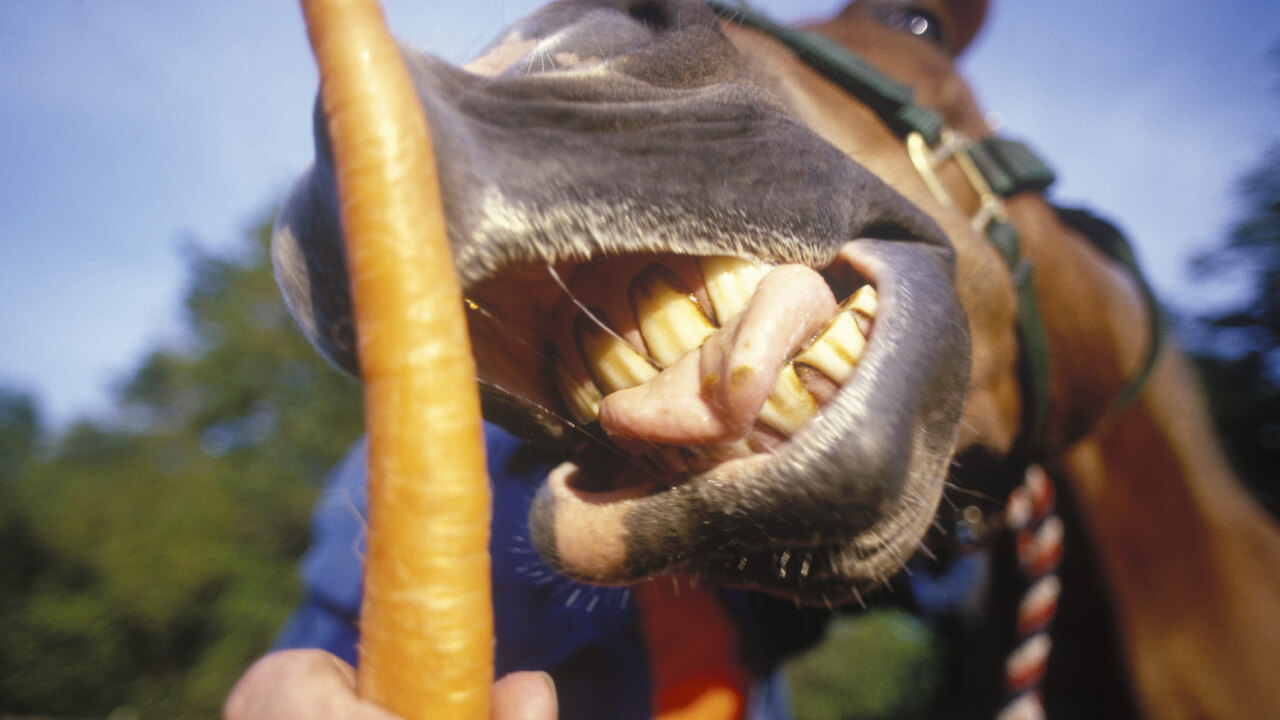
‘Supplements’ are feeds that fill nutritional gaps not covered by roughage or concentrates. They include pellets, supplements, carrots, or apples. Some riding clubs discourage treats, as overeating can cause colic. Feeding too much out of desire can lead to health issues, so caution is needed.
Summary
As you can see, horses cannot feed themselves. To perform well and stay energetic throughout the day, maintaining a balanced diet is crucial. By understanding proper feeding methods and avoiding digestive problems, you can keep your horse healthy.
Feeding treats can strengthen bonds and improve communication, but excessive treats may harm the horse’s health. Remember, giving treats only because you want to bond or show affection could cause the horse discomfort.
}}]} &}}}}