
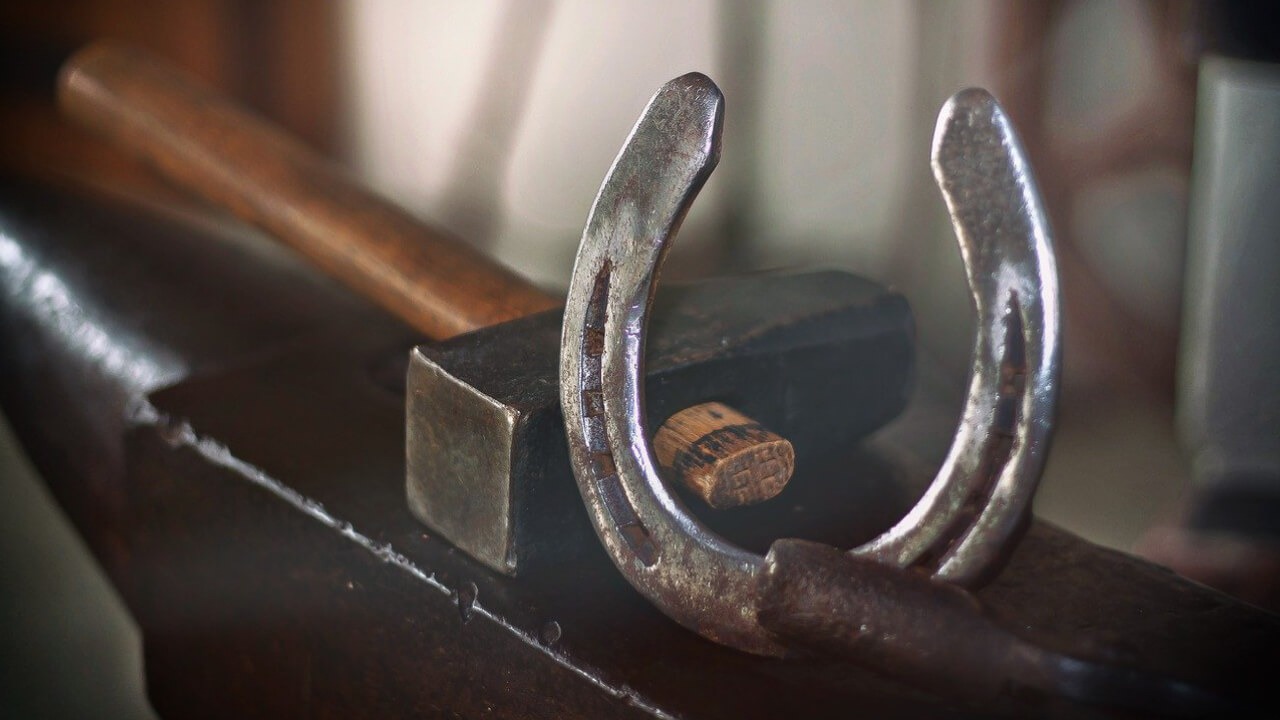
Horseshoes are often featured in jewelry and accessories designs. They are widely cherished as symbols of good luck and fortune.
Have you ever wondered why a simple horseshoe, a tool for protecting a horse’s hooves, has become a popular good luck charm? Here, we introduce the reasons why horseshoes are considered lucky items and what significance they hold.
Used as a Charm to Ward Off Evil and Misfortune
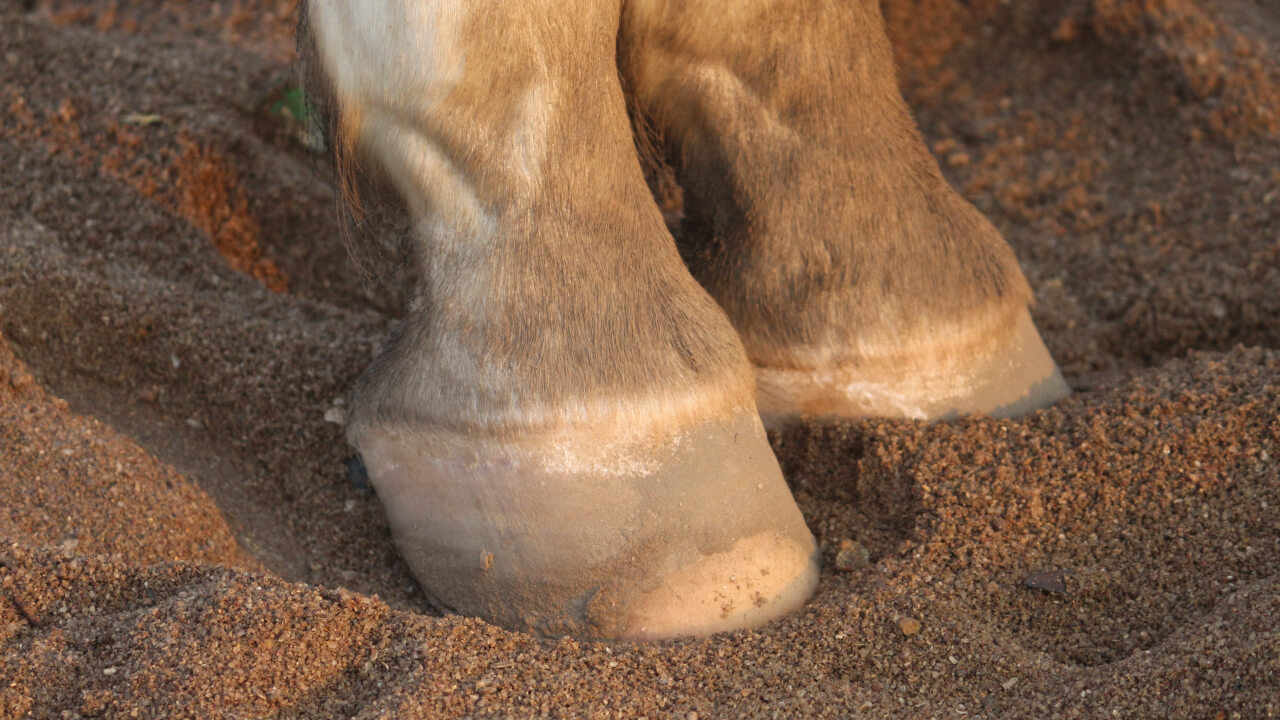
The horseshoe is a metal fitting attached to protect a horse’s hooves. Horses rely on horseshoes because their hooves undergo significant stress, which can lead to cracks or damage, especially when pulling carts or carrying loads.
There are many theories about why horseshoes have become symbols of luck. Here, we introduce some of the most well-known origins.
Mythology
Celtic Mythology states that victory in armor-based warfare using horses and iron tools led to the belief that horseshoes ward off evil spirits and bring protection.
Horseshoes are also used as charms in the West. It is common to display them at the entrance to ward off evil.
In some European regions, there is a tradition of hanging horseshoes at the entrance on the wedding day to ensure the bride’s safe arrival at the ceremony venue. Today, horseshoe motifs are often used in wedding decorations and jewelry, symbolizing good luck and protection.
In addition, giving horseshoes as wedding gifts is believed to bring happiness to the couple, according to local traditions.
Repaired Horseshoes Making People Wealthy
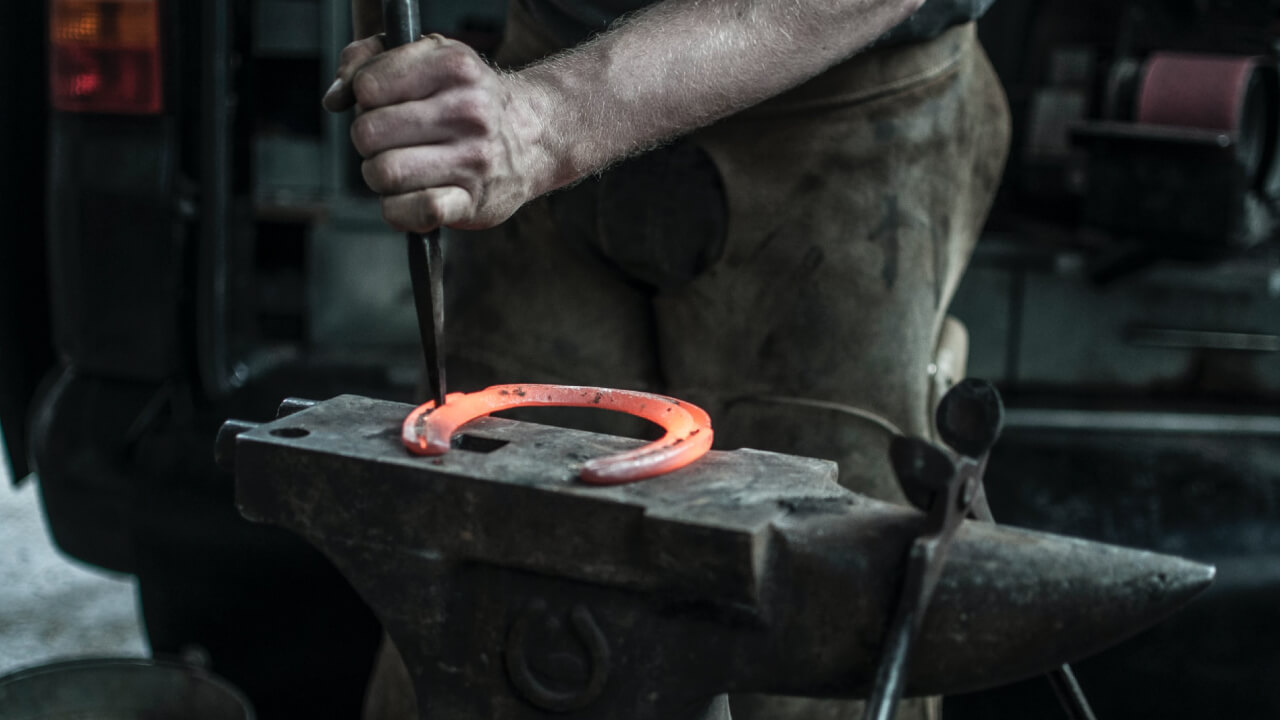
Italy has old traditions related to horseshoes. In the past, Italy had a stark contrast between wealthy and poor populations. It is said that villagers who repaired or lent horseshoes from wealthy landowners managed to earn an income and accumulate great wealth.
This story was passed down in many villages and contributed to horseshoes being seen as symbols of wealth and good luck.
Hidden Lucky Number Seven
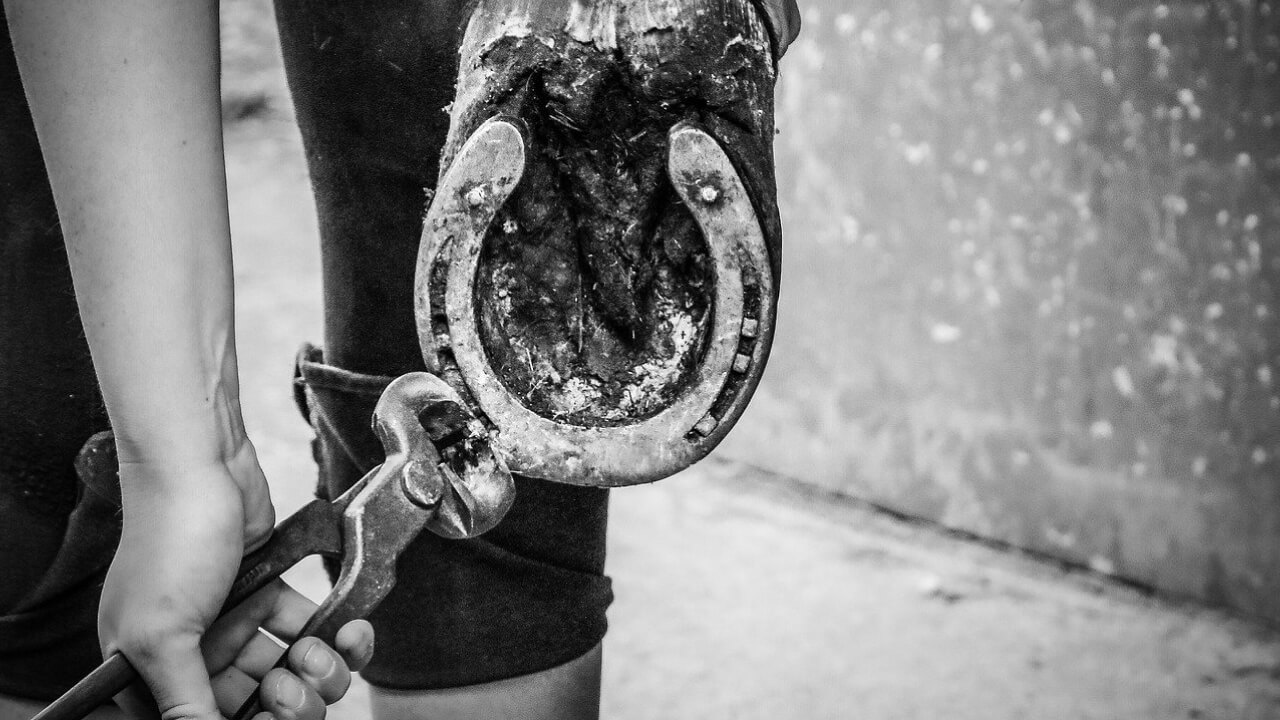
The nails used to attach horseshoes are always three on the inside and four on the outside, totaling seven. This number, seven, is seen as a symbol of luck, hence the term “lucky seven”.
Jewelry embedding seven gemstones into horseshoe-shaped designs is very popular due to its association with luck.
Changing Meaning Based on Horseshoe Orientation
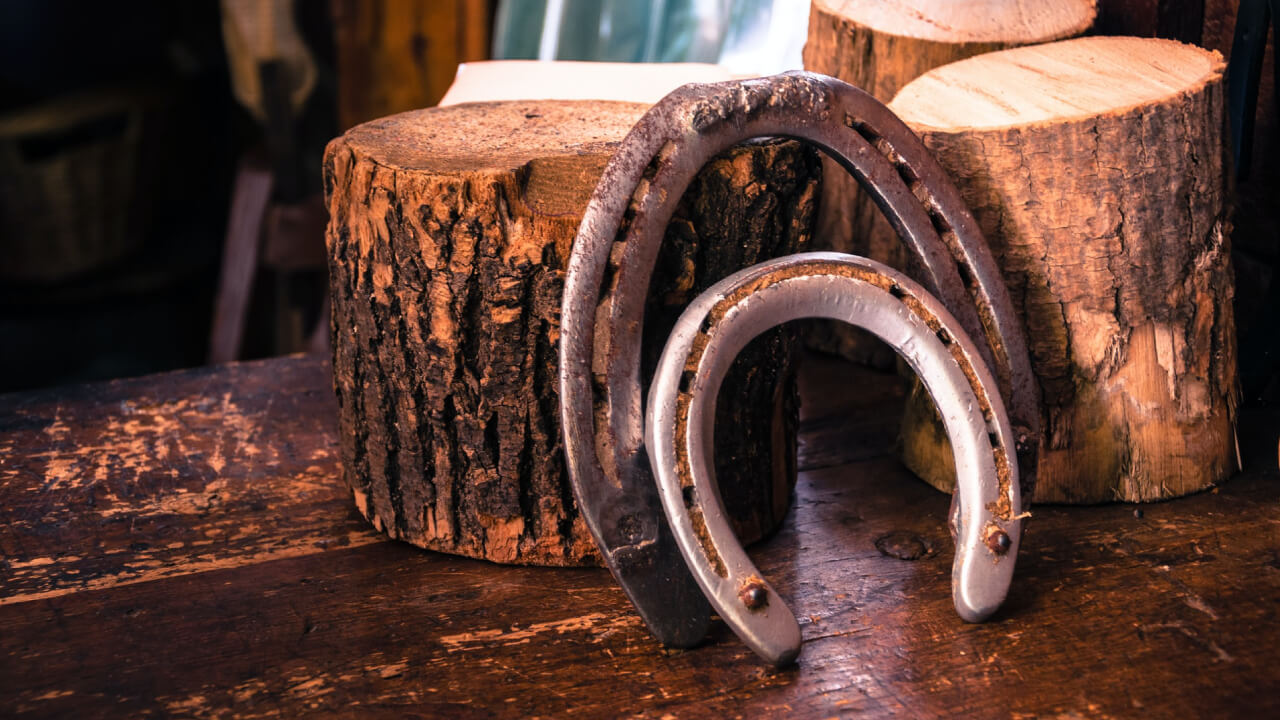
In jewelry and accessories featuring horseshoe motifs, some items have horseshoes oriented upwards, while others are downwards. Both orientations are correct, but the meaning varies with the direction.
An upward-facing horseshoe resembles a U-shape. This is the more common orientation and is believed to symbolize that good luck accumulates inside the U-shaped curve. People who want to attract luck or happiness are advised to wear or display upward-facing horseshoes.
A downward-facing horseshoe, on the other hand, is traditionally seen as symbolizing the shedding of bad luck. While some view it as a sign that luck might