

Currently, when thinking about modes of transportation, cars, motorcycles, and bicycles likely come to mind. These vehicles are used under specific rules that must be followed.
Everyone recognizes that drinking alcohol and then riding a car, motorcycle, or bicycle is prohibited. Drinking and driving impair judgment, can lead to accidents, injuries, or even fatalities, and pose risks to others as well as oneself.
What about riding a horse? Does drinking alcohol and then riding a horse qualify as drunk driving?
Here, we introduce important points and rules for riding a horse on public roads.
Is it okay to ride a horse on public roads in modern times?
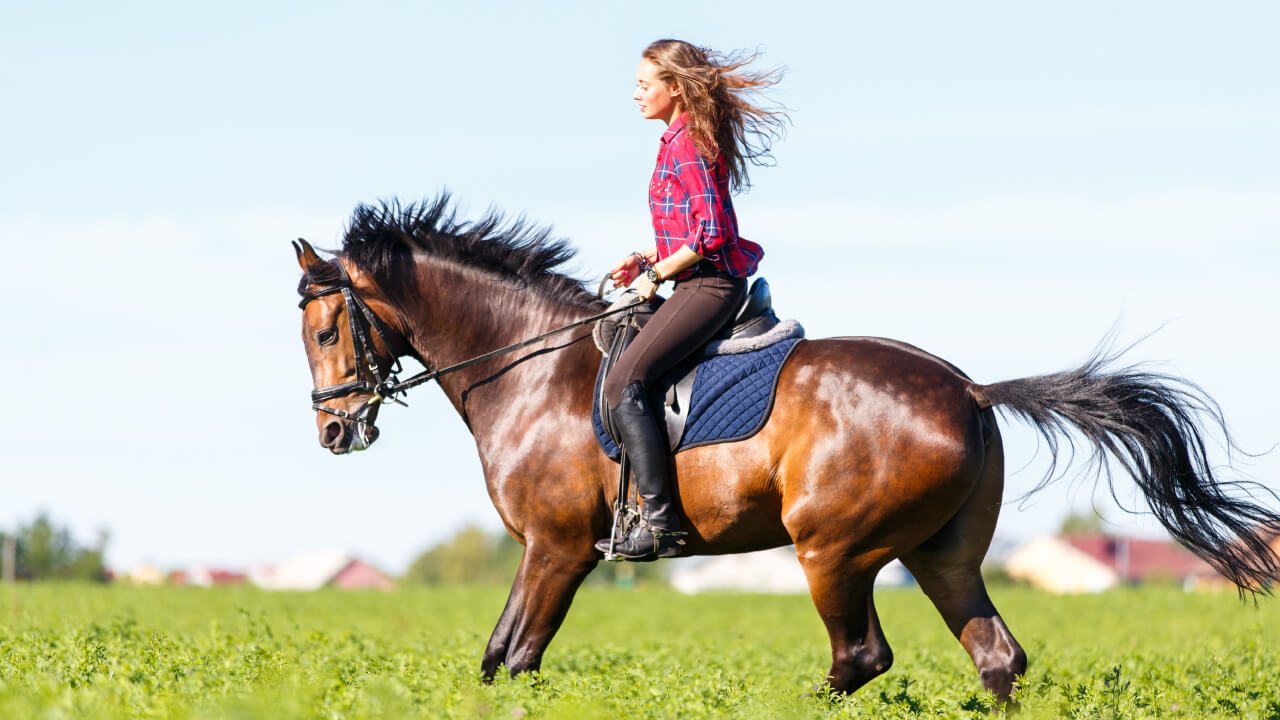
How many people can imagine a horse running on the road? Most probably haven’t encountered horses while walking or driving. In some countries, horses are used for commuting or there are dedicated horse lanes, making it a common sight for residents there.
In Japan, unless you have a ranch, riding club, or own a horse, it is rare and hard to imagine seeing a horse on public roads. However, the question remains: can horses run on public roads in modern Japan?
The answer is yes. Historically, horses were an essential mode of transportation before cars and trains, and the streets were filled with horse riders and carriages. Today, horses are mostly seen in events, parades, or when diplomatic officials arrive from abroad with horse-drawn carriages or mounted police.
Under Japan’s Road Traffic Act, horses and cattle are classified as light vehicles. This law explicitly states that horses, including cattle, are considered light vehicles, so riding and traveling on public roads is permitted.
When riding a horse on the road, there are additional considerations beyond traffic laws. Unlike cars or bicycles, horses are animals and may defecate on the road. Leaving manure behind can potentially violate local ordinances, so it’s important to clean up after your horse. Regulations can vary by region, so familiarizing yourself with local ordinances such as nuisance prevention laws is advisable.
Review of the Road Traffic Law
The Road Traffic Law is a Japanese law designed to prevent dangers on roads. Its purpose is to promote traffic safety and smoothness, and to prevent potential hazards. Violating this law can result in penalties such as imprisonment, fines, or detention.
Since its enforcement began on December 20, 1960, the law has been revised and strengthened over time to adapt to changing circumstances. It is a law that all road users in Japan—drivers of vehicles, pedestrians, and cyclists—must understand and follow. Therefore, reviewing the Road Traffic Law is recommended.
Does the Road Traffic Law classify horses as light vehicles?

Horse classification as a light vehicle can be confirmed in Article 2 (Definitions) Paragraph 11.
‘Bicycles, carts, and other vehicles powered by humans or animals, or towed by other vehicles, excluding rail-guided vehicles (including sleds and cattle)’
This means horses are treated the same as bicycles and are considered light vehicles. When riding on public roads, standard rules apply: keep left, obey traffic signals, and make the two-stage right turn at intersections. Failure to follow these can be considered violations.
Section 65 of the Road Traffic Law states, ‘No one shall operate a vehicle while under the influence of alcohol.’ As horses are classified as light vehicles, riding a horse while intoxicated is considered drunk driving. Giving alcohol to a horse and riding it on public roads also falls under vehicle negligence.
Overall, riding a horse on public roads involves following various regulations. It doesn’t require a license, but knowledge of rules related to light vehicles is essential. Learning to read traffic signs and signals is also recommended.
Summary
How was it? Although few opportunities exist, it’s notable that Japan’s traffic law explicitly recognizes horses and cattle as light vehicles, showing their historical importance in Japanese life.
Today, riding horses in Japan is mostly seen as a sport or leisure activity rather than a means of transportation. Many people might be unaware of the legal distinctions or regulations regarding horses on public roads.
Most riding is now done at authorized riding clubs or ranches. If you go off-site on an outdoor ride, remember the traffic rules and avoid alcohol at all costs.