Just like humans, horses also need proper health management to prevent illness and maintain their well-being.
In fact, horses that cannot communicate pain, cold, or fatigue through words might require even more attentive care than humans.
While serious medical issues should be left to veterinarians, understanding basic signs and behaviors can help owners detect potential health problems early.
Let’s learn some fundamental points to observe during daily care and communication with your horse.
Basic indicators to assess if your horse is healthy
Body Temperature
For adult horses, normal body temperature ranges from 37.5°C to 38.0°C (mild fever is 38.9°C, moderate fever is 40°C, high fever is above 40°C).
Foals tend to have slightly higher temperatures, so keep this in mind.
Note: Temperatures may be lower in the morning and higher in the evening, so measuring twice daily is recommended.
Heart Rate
Foals: 80–120 beats per minute. Yearlings: 60–80 bpm. 1-year-olds: 40–60 bpm.
Adult horses: 28–40 bpm.
Note: Measure the pulse when the horse is at rest.
Respiratory Rate
At rest, adult horses typically have a respiratory rate of 8–16 breaths per minute.
Use the movement of the nostrils (sometimes ribs or chest) to count.
Respiratory rates can increase during infections or illnesses.
Other important signs to check
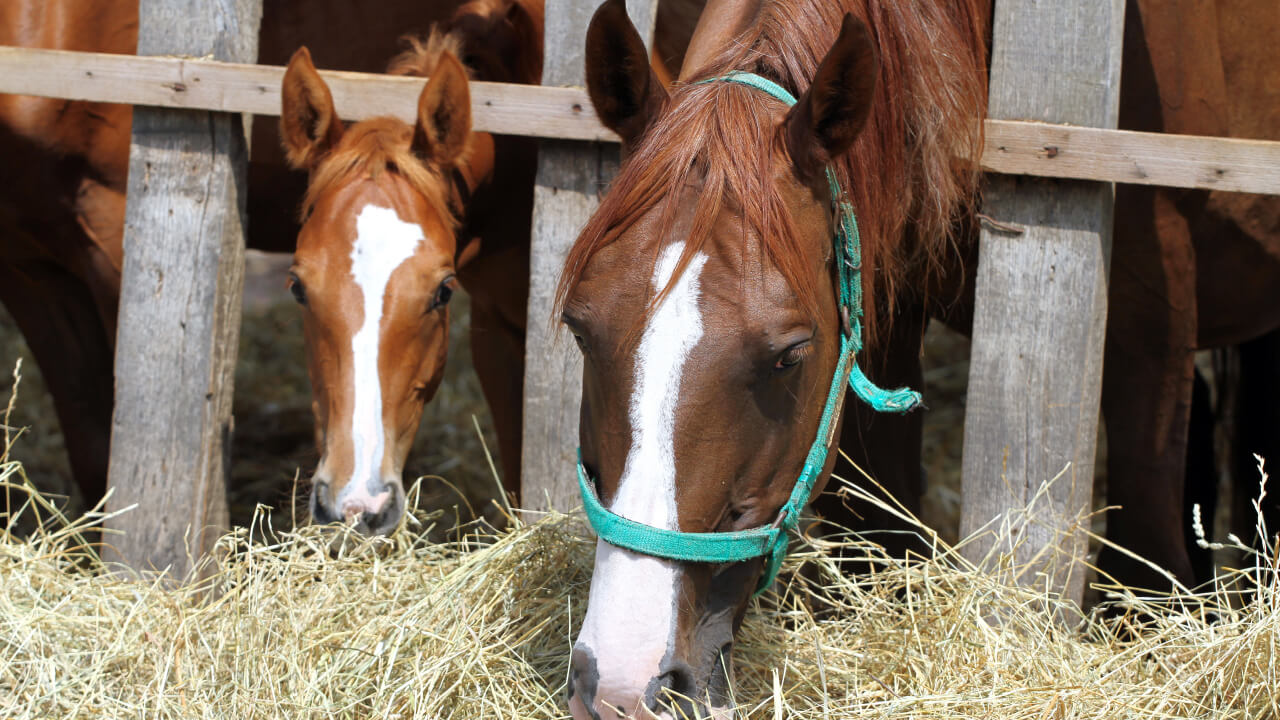
If food intake or water consumption decreases, it could indicate health issues.
Animals using only one side of their mouth to eat might have dental or oral problems.
This is similar to humans.
During molting (shedding, coat change), if the fur appears shaggy or dull, it could suggest nutritional deficiencies or parasite infestations.
Urine and feces are also good indicators. Healthy horses produce 3–8.5 liters of slightly cloudy urine daily. Blood in urine, yellow coloration may indicate disease.
Fecal output is about 15–25 kg per day. During stall cleaning, check for parasites, bleeding, or abnormal substances in feces, and observe stool consistency.
Horses can catch influenza too!
Many know that humans can get influenza, but horses can also be infected.
Equine influenza is a highly contagious acute respiratory infection caused by a virus.
It’s quite similar to human influenza.
In 2007, a sudden outbreak among racehorses caused racing to be canceled nationwide.
Common signs include fever, nasal discharge, and cough.
Most cases recover naturally, and death from equine influenza is rare. However, early detection through regular health checks is advisable.
Vaccines exist for equine influenza, helping prevent infection and reduce severity of symptoms.
All horses entering JRA facilities are required to be vaccinated.
Summary
All living creatures, including humans and horses, can experience health issues or illness, no matter how resilient they seem.
Regular observation and communication are essential to understanding an individual horse’s normal behaviors and signs of health.
If usual behaviors or habits are absent, it may indicate health problems. Recognizing early symptoms can help address issues promptly.
Keep in mind that veterinary treatment must be performed by licensed veterinarians. If illness or health concerns arise, alert your veterinarian or horse caretaker immediately.