
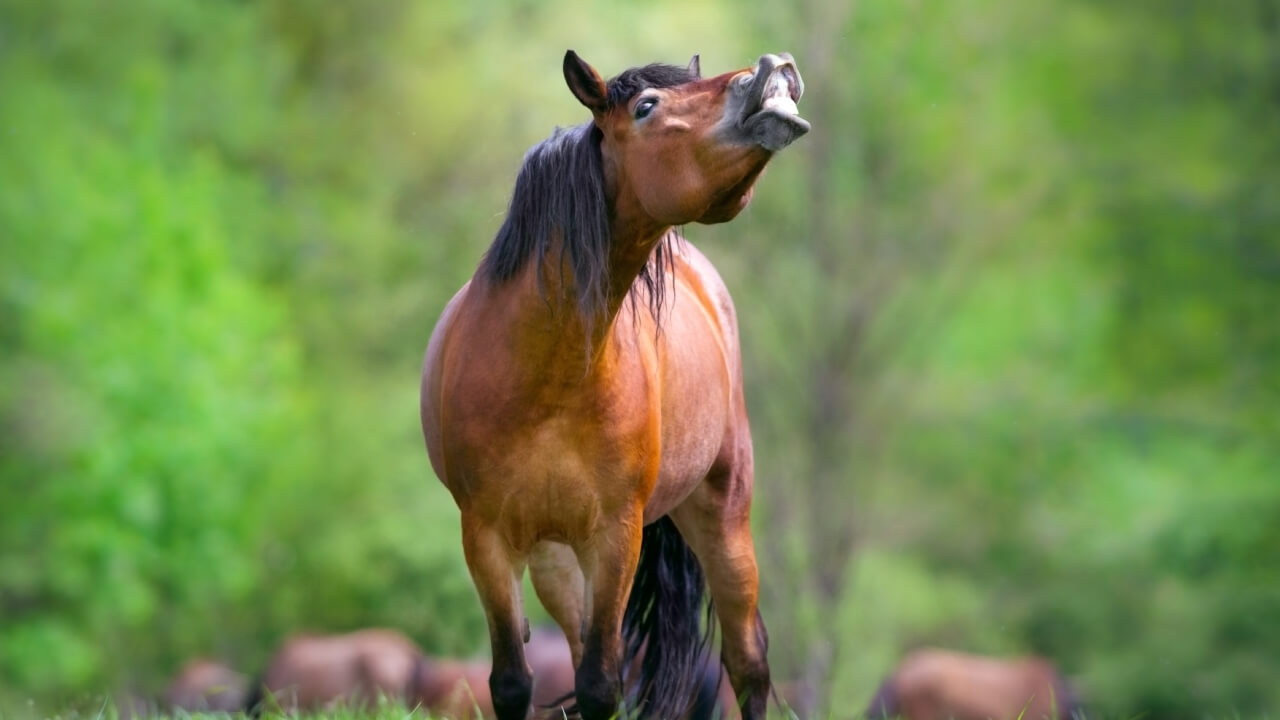
Even among people learning horseback riding, many want to know ‘how to communicate effectively with horses’ or ‘tips for improving riding skills,’ but few are interested in ‘horse teeth.’ You might have seen illustrations of horses with a characteristic wide-open smile showing their front teeth. While horse teeth are large and distinctive, few people know the details.
This time, let’s focus on horse teeth. Horses have unique features not seen in other animals, and learning about them can be surprisingly interesting. Pay close attention to horse teeth—you might discover new魅力 you’d never known before.
Mares and Stallions Have Different Numbers of Teeth!
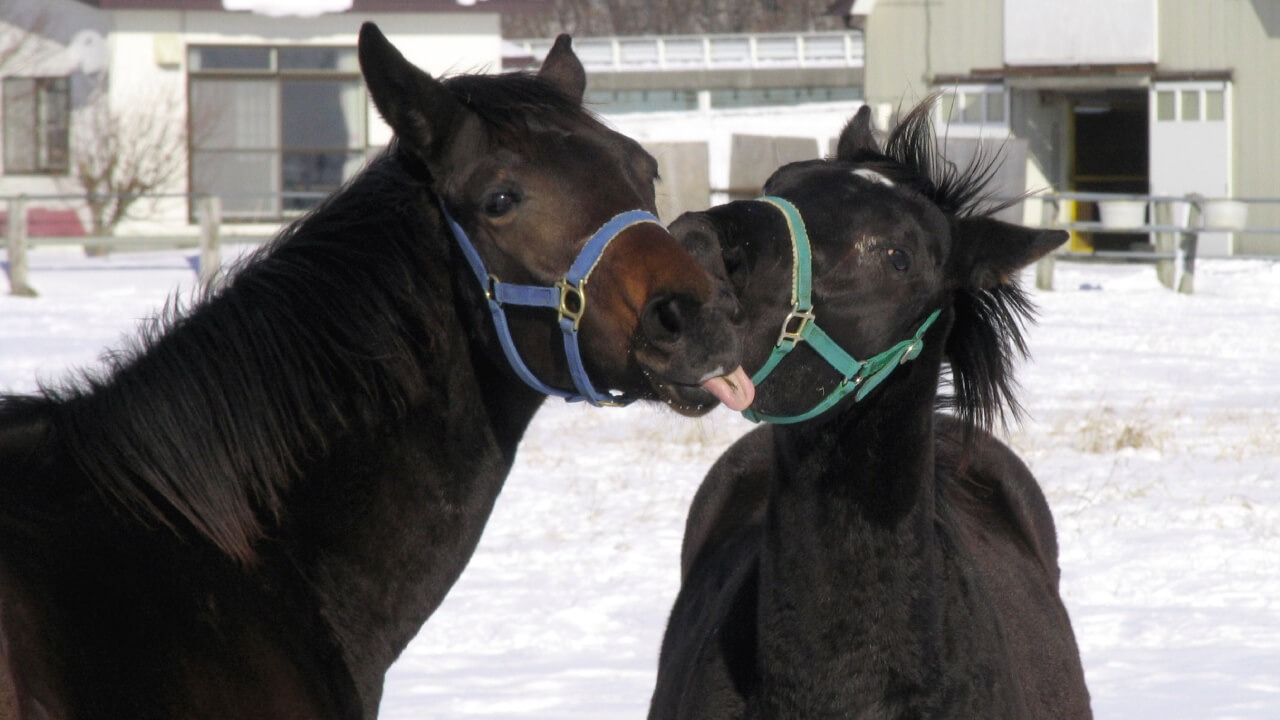
Animals, including humans, have genders, and it is well-known that there are structural differences between males and females. Horses are no exception, with differences in body structure between stallions and mares.
However, horses have a unique characteristic not observed in other animals: their teeth differ between males and females. Stallions have 40 teeth, while mares have 36, meaning mares have four fewer teeth than stallions (excluding wolf teeth).
What do these four missing teeth signify? Interestingly, stallions have teeth that mares do not: their canines. Stallions grow upper and lower canines.
Herbivores, unlike carnivores, do not tear their food but cut grass or hay with their incisors and grind it with their molars. Therefore, we don’t usually associate herbivores with prominent canines or question their purpose.
Why would a herbivore like a stallion have canines? They are believed to be used for fighting predators, competing with other stallions, or grooming in the wild. However, domesticated horses rarely use and do not benefit from canines.
Horse Teeth Keep Growing!
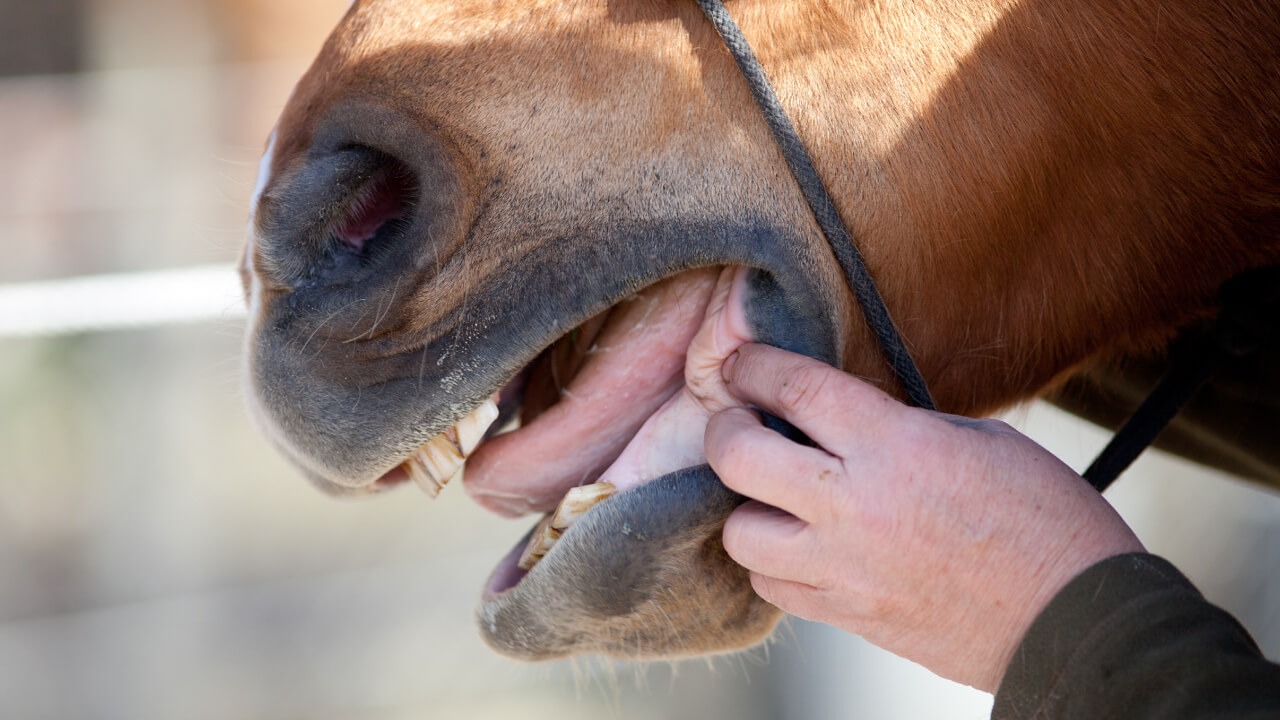
Just like human teeth, horse teeth are replaced from baby teeth to adult teeth. But in horses, after transitioning to permanent teeth, the teeth continue to grow.
The teeth grow approximately 2-4mm per year. While it might seem concerning that teeth keep growing, rest assured—they wear down naturally as horses grind food with their molars during eating.
Unlike wild horses, domesticated ones eat less roughage and may experience overgrowth or deformation of teeth, sometimes requiring veterinary intervention.
Can You Guess a Horse’s Age by Its Teeth?
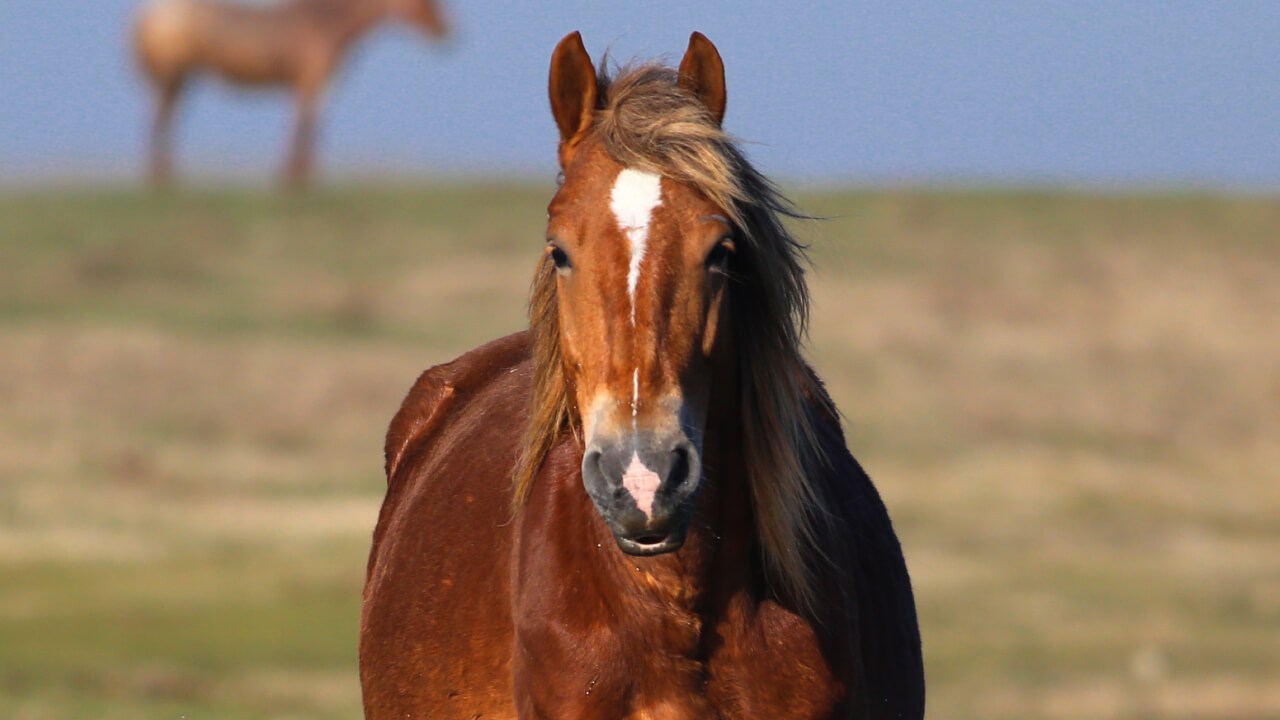
Although horse teeth continually grow and wear down, their length stays roughly the same. However, over the years, the coloration darkens due to the grinding process. Interestingly, the wear and discoloration of teeth can help determine a horse’s age.
Today, the birth date and age of a horse can be precisely known from pedigree documents. But in the past, when these records didn’t exist, buyers assessed a horse’s health and age by examining its teeth, which served as a reliable indicator.
How to Examine a Horse’s Mouth?
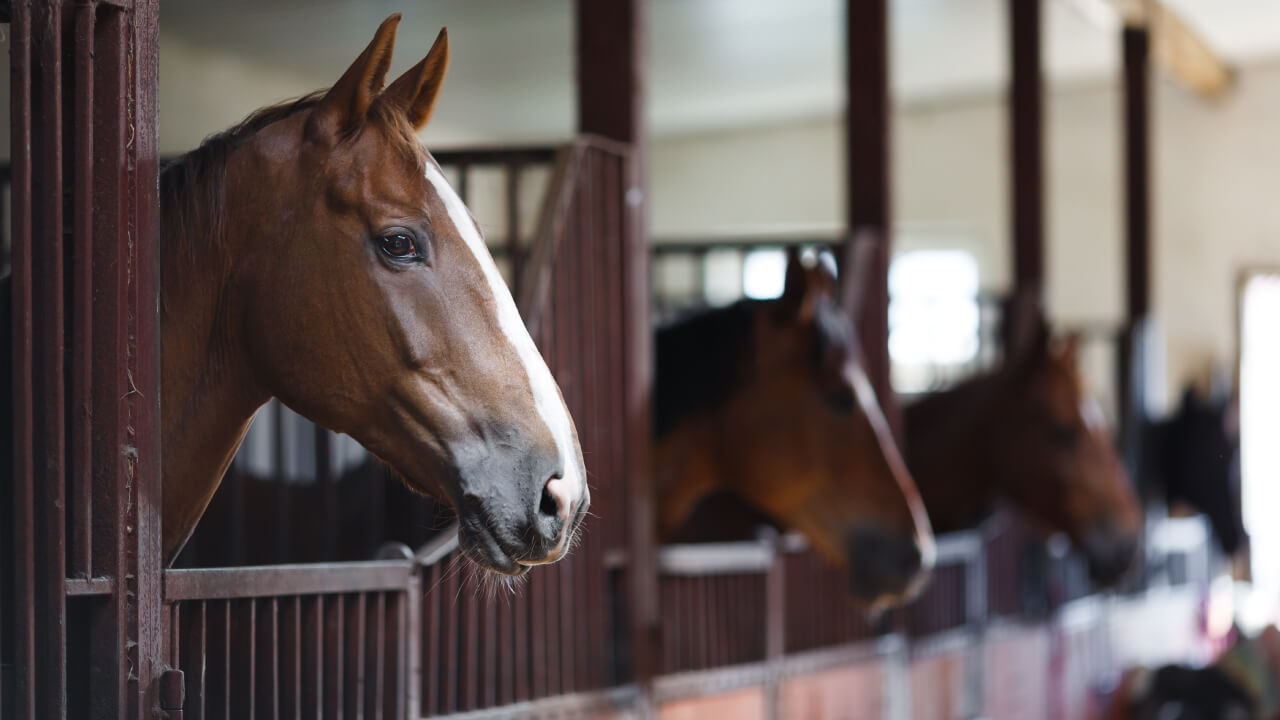
Problems such as deformities, overgrowth, cavities, or inflammation can occur in horse mouths, similar to humans. Horses undergo dental examinations regularly, especially young horses under five, to monitor growing teeth and correct alignment, typically 3-4 times a year with minor treatments.
For horses over five, annual inspections are usually sufficient. Older horses over twenty may need biannual checkups due to periodontal issues or tooth loss.
Even a well-trained horse won’t simply open its mouth on command. To inspect teeth, a certain amount of mouth opening is necessary, which involves careful handling to avoid injury or being bitten.
By gently inserting a finger between the teeth from the gum line without teeth, and holding the tongue against the palate, the horse naturally opens its mouth for inspection. If it’s difficult to keep the mouth open, a speculum is used.
Summary
As you’ve seen, horse teeth are distinctive—males and females have different numbers, and they grow incrementally over time. Horses, with their impressive appearance, unique personalities, and behaviors, have many charms, and their body features invite curiosity. Proper dental care is crucial for their health, just as it is for humans.