

Differences Between General Riding Clubs and Clubs Specializing in Riding for People with Disabilities

Are you familiar with para-equestrian sports? Para-equestrian involves horseback riding for athletes with disabilities such as mobility impairments or visual impairments. The sport includes dressage and carriage driving, but only dressage is featured in the Paralympics, and it was also part of the Tokyo Olympics. However, disabilities vary widely in type and severity.
What kind of training do Paralympic athletes undergo, and what innovations are used to help people with disabilities enjoy riding? We introduce specific examples of how they adapt their training and equipment.
Classification
Riders are classified into five grades (I–V) based on the severity of their disabilities, with Grade I being the most severe and Grade V the least. Each grade has different features.
Grade I includes those with significant disabilities, like cerebral palsy, using specialized control techniques with adaptive saddles and support devices. This grade performs walk-only tests.
Grade II features riders like former JRA assistant trainer Mitsuaki Miyaji, who has paralysis on his right side after a brain hemorrhage and also suffers from higher brain function impairments, making course memorization challenging. They mainly perform walk and some slow trot.
Grade III is for riders with moderate disabilities, such as Masaru Inaba, who has congenital cerebral palsy and uses special gear like whips and stirrup cover due to paralysis in his legs. They are allowed basic attempts without cantering.
Grade IV includes riders like active jockey Katsuji Takashima, who suffered paralysis after a fall, controlling the horse by shifting focus to the right side, among other techniques.
Grade V is for riders with mild disabilities, capable of participating in beginner and intermediate levels.
Visual impairments are also accommodated with guides; up to 13 guides can support a rider by providing vocal directions at various points in the arena.
General Clubs vs. Riding Clubs for Disabled People
Can people with disabilities start riding at local clubs? Many general clubs welcome all, including children and seniors, but some lack facilities or expertise for supporting disabled riders. It’s best to contact clubs directly for details. The Tokyo Association for Disabled Equestrianism (TADER) lists organizations involved in adaptive riding on their website:
Tokyo Association for Disabled Equestrianism: http://tader.jp/cont/link.html
Clubs for People with Disabilities
Clubs dedicated to riders with various disabilities—such as intellectual disabilities, autism spectrum disorder, cerebral palsy, polio, spina bifida, or total blindness—offer tailored equipment, volunteer support, and voice guidance for visually impaired riders. If you’re interested but unsure, try a trial ride first.
Are Costs Different?

Many people imagine horse riding is expensive, and that concern applies to riding for people with disabilities as well. Let’s compare costs between general clubs and clubs for disabled riders.
In Tokyo, a typical general riding club charges an enrollment fee of about 200,000 yen, monthly tuition around 15,000 yen, and riding fees (per 45-minute session) about 2,000 yen.
In contrast, clubs affiliated with the Tokyo Association for Disabled Equestrianism have an enrollment fee of 24,000 yen, annual membership fee of 10,000 yen, and sessions (20 minutes) for 1,500 yen.
Concerns about starting, competing, or just experiencing horses are common; contact clubs to learn more about what they offer.
When Can You Ride and When Not?
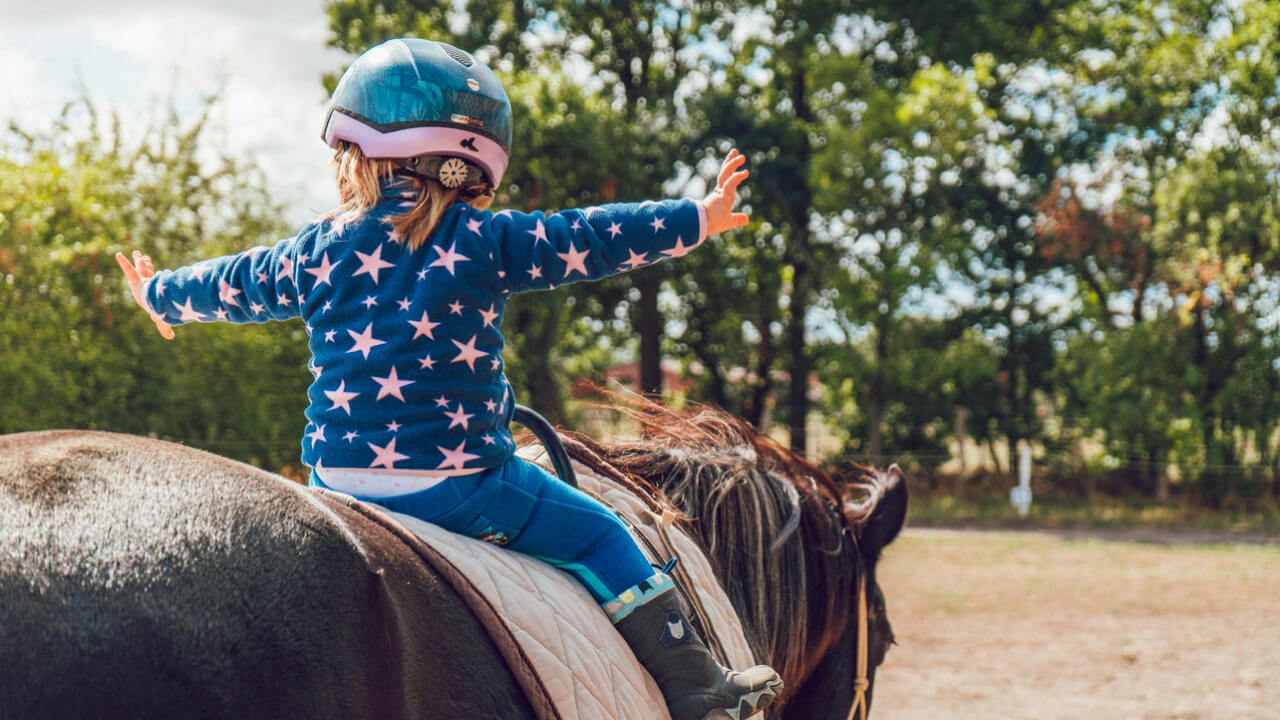
Riding for people with disabilities can include those with mobility impairments, visual impairments, or developmental disabilities, but there are cases where riding might not be possible. Reasons include:
- Uncontrolled consciousness issues (e.g., epilepsy, narcolepsy, hypoglycemia)
- Acute joint inflammation
- Acute multiple sclerosis
- Severe osteoporosis
- Severe spinal deformities, such as kyphosis or scoliosis
Before trying riding or enrolling, assessments are often conducted. Even if riding isn’t possible, activities like interacting with horses for exercise and mental health benefits are encouraged. Contact organizations for more information.
Resources for Riding for People with Disabilities
Although horseback riding remains a less mainstream sport, efforts to gather information about riding opportunities for people with disabilities are growing. Here are some key organizations and websites:
Japan Society for Disabled Equestrianism (JRAD)
The Japan Society for Disabled Equestrianism (JRAD) promotes the participation of people with disabilities in riding activities to foster social inclusion and mutual understanding. Their activities include therapy, sports training for competition, and spreading awareness about adaptive riding. They provide extensive resources on para-equestrian sports and horse therapy.
Japan Society for Disabled Equestrianism: https://jrad.jp
ParaSupport Web
This comprehensive website covers Paralympic sports, including riding, and features guides to spectating and the appeal of various sports like blind soccer, wheelchair basketball, and swimming. It offers insights into para-equestrian sports as well.
ParaSupport Web: https://www.parasapo.tokyo
Guidebook for Equine Therapy Activities
This manual provides practical advice for conducting horse therapy and adaptive riding activities, including photographs and tips on attire and safety. It’s a useful resource for organizers and participants.
Guidebook for Horse Therapy Activities: https://www.jouba.jrao.ne.jp/horse-therapy/
Summary
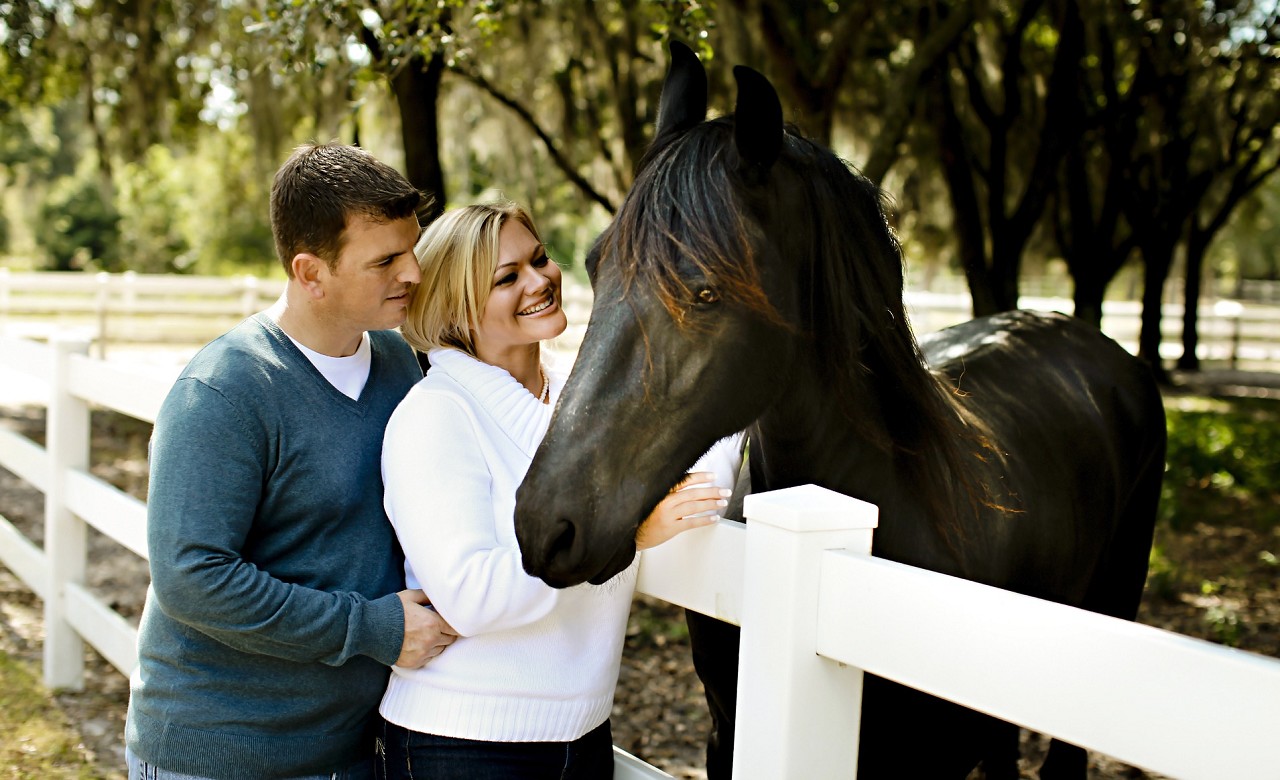
People with disabilities may find their activities restricted due to their condition. However, horse riding as a para-sport can provide new opportunities. Riding on a large horse can build confidence, and even individuals with limited mobility can experience walking while mounted, creating positive changes and expanding their world. If you’re interested, try a trial ride or gather information through inquiries before starting your journey.