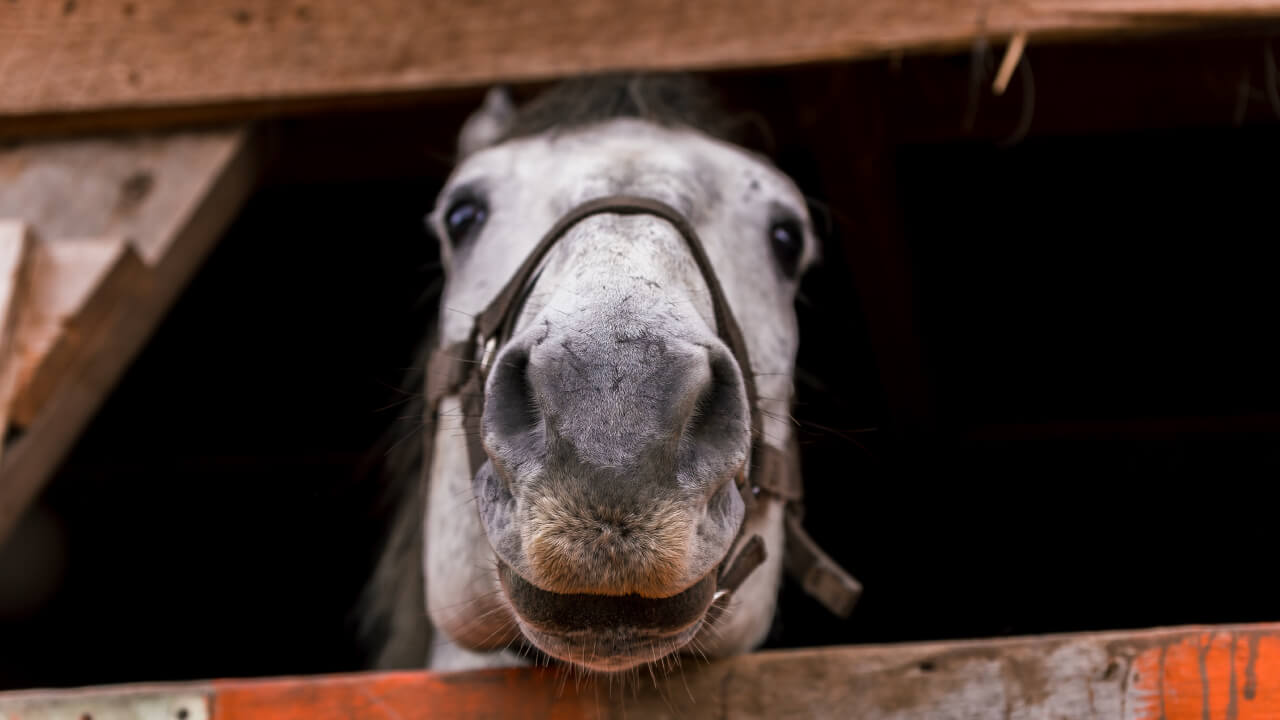
One of a horse’s charming features is its nose. Its large, plump nostrils are irresistibly touchable, often inviting curiosity.
Such noses hold important functions for horses. In this article, we explore why horses have large noses, their functions, and what it means when they nosebleed. Read on for insights.
Do Faster Horses Have Larger Noses?
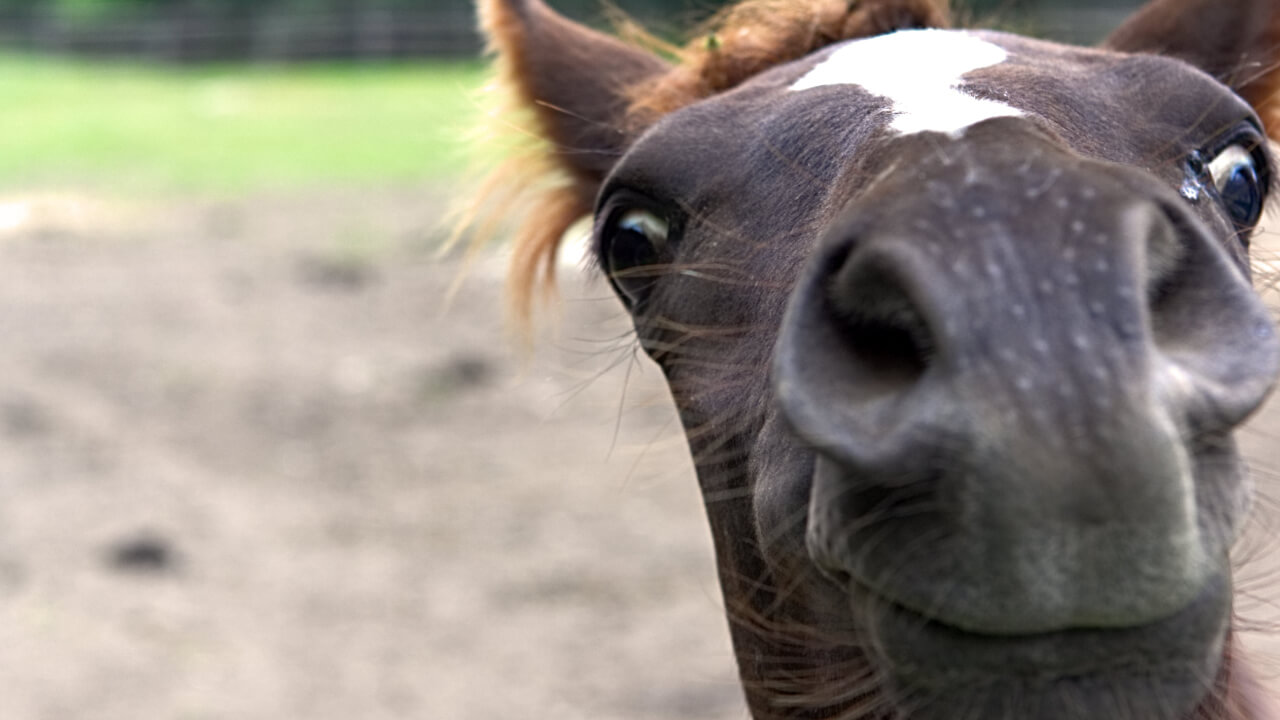
You might wonder why nose plays a role in a horse’s speed. When considering humans, the legs and arms are crucial for running. Similarly, for horses, legs are obvious key factors. So, why does a horse’s large nose contribute to faster running?
Horses cannot breathe through their mouths; they breathe solely through their noses. This prevents food from entering the windpipe, ensuring safe respiration even during intense activity.
Humans breathe through both the mouth and nose to intake oxygen efficiently. Horses, with their larger body mass, need even more oxygen, yet they rely only on nasal breathing, thanks to specific nose structures and breathing techniques.
As seen, horses have large nostrils designed to maximize oxygen intake. Larger nostrils are associated with stronger cardiopulmonary function, making a large nose beneficial for speed and agility, especially in racehorses.
The horse’s breathing method is “one stride, one breath”. This technique involves inhaling during each stride from one leg’s landing to the next, making their oxygen intake highly efficient. Enhanced oxygen absorption boosts stamina and enables powerful running.
Acts Like an Air Purifier and Humidifier!
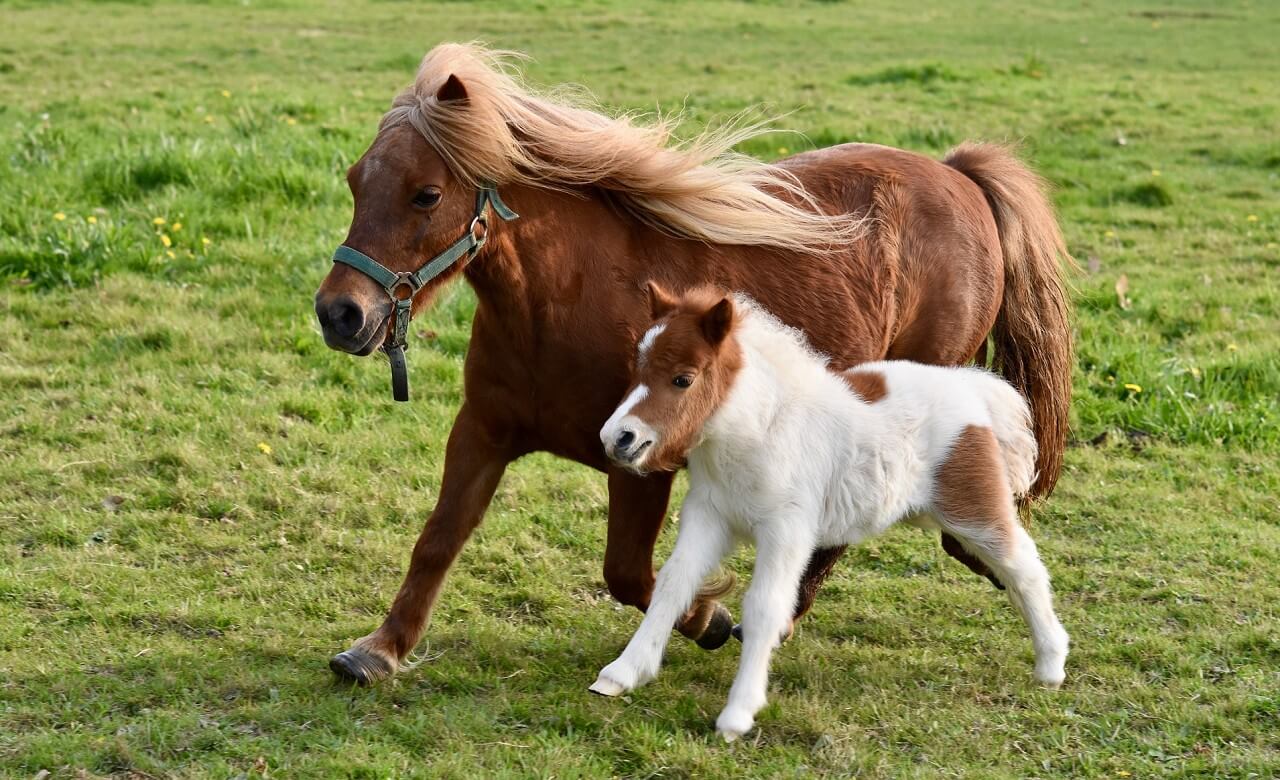
The face of a typical horse measures about 60cm, with a long face design, and approximately 40cm of that is the nose.
Did you know that this long nose performs surprising functions? As horses breathe through their noses, they also do so to reduce body strain. Cold winter air entering through the nose can harm tissues, so horses’ noses warm and humidify the air before it reaches the lungs, acting like an air purifier.
Additionally, running on dry terrain stirs up dust. Horses’ long noses help prevent inhaling too much dust, providing an air-filtering function similar to a purifier.
This versatility of the horse’s long nose serves to protect its health in various ways.
The Softest Part of a Horse’s Body!
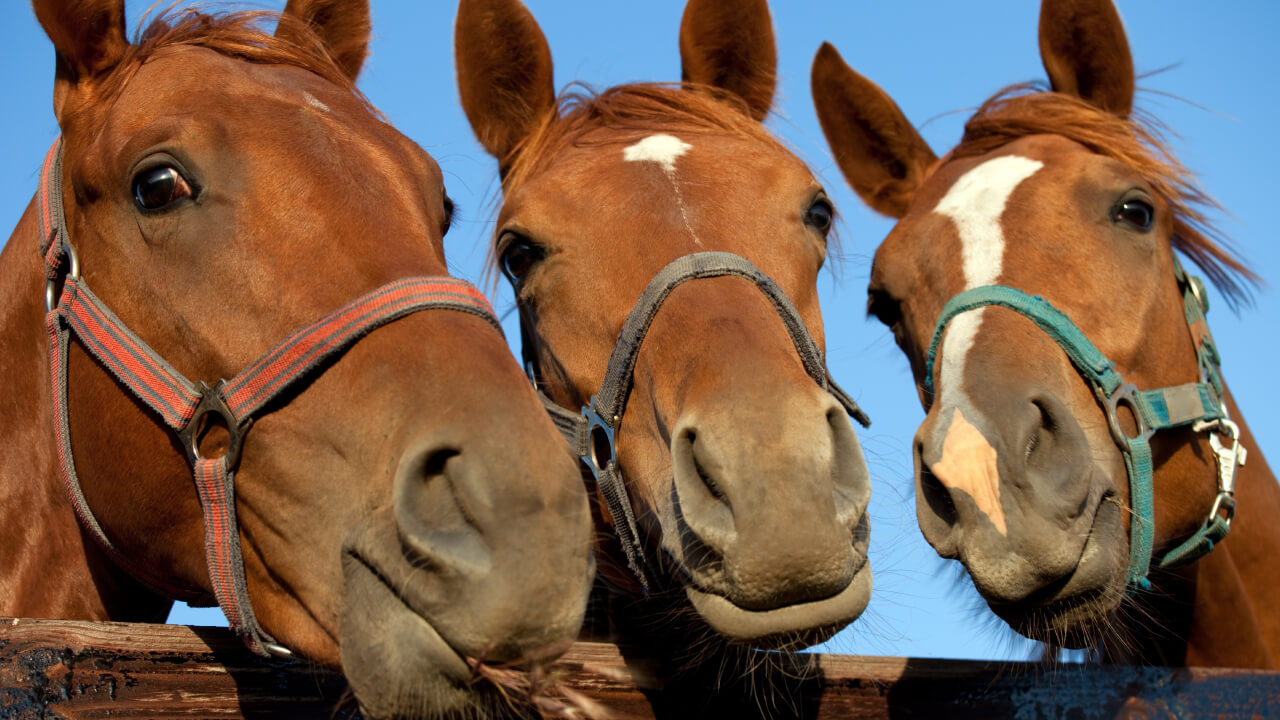
Among a horse’s body parts, the nose is the softest. When giving treats or communicating, many are drawn to its soft, marshmallow-like feel. Its gentle texture reflects the relaxed nature of horses.
The nose’s soft touch is comparable to marshmallows or mochi, offering a delightful tactile experience. Despite their tough image, horses’ noses are surprisingly soft and gentle, revealing a tender side of their personality.
Warning: Nosebleeds in Racehorses
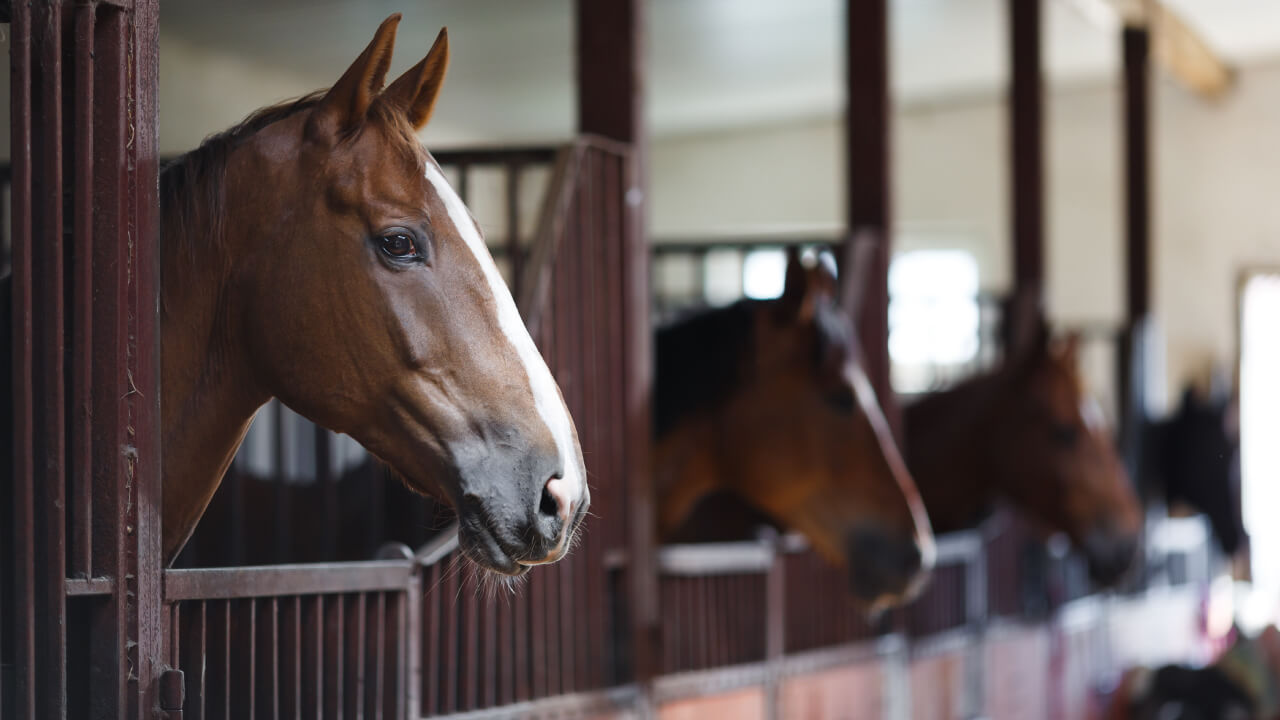
If a racehorse nosebleeds, it’s a serious issue that could lead to withdrawal or retirement. While minor bleeding caused by hitting the nose or hot weather is common, it’s not always benign. Nosebleeds can signify underlying problems such as:
- Trauma from an injury
- Fungal infections like mold
- Lung hemorrhages
Of particular concern is lung hemorrhage, which occurs due to intense running. It involves rupture of lung blood vessels, causing bleeding from the nose. This condition is more common in racehorses and indicates significant physical stress. Long-term breathing issues from repeated nosebleeds can severely affect a horse’s health and racing capacity, requiring extended rest and treatment. Nosebleeds during races mean a horse can’t breathe properly, which immediately halts its racing capability.
Conclusion
In summary, the reason why horses have large, long noses is now clearer. Their soft, gentle noses are designed to maximize oxygen intake, which is especially vital for racehorses. However, this large nose also serves to protect their respiratory health, with nosebleeds indicating serious issues that need attention. The nose plays a crucial role in a horse’s overall health and performance, making it a vital part of their anatomy.