
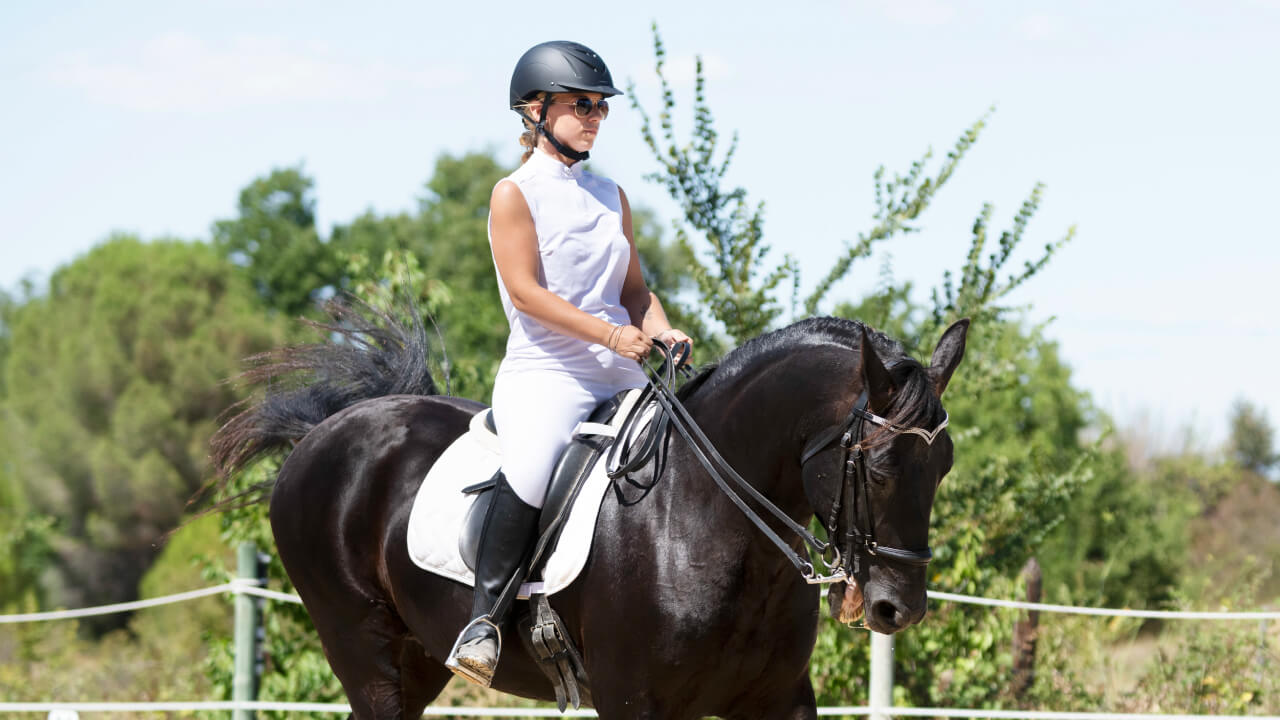
Horseback riding is a great aerobic exercise with effective weight-loss benefits!
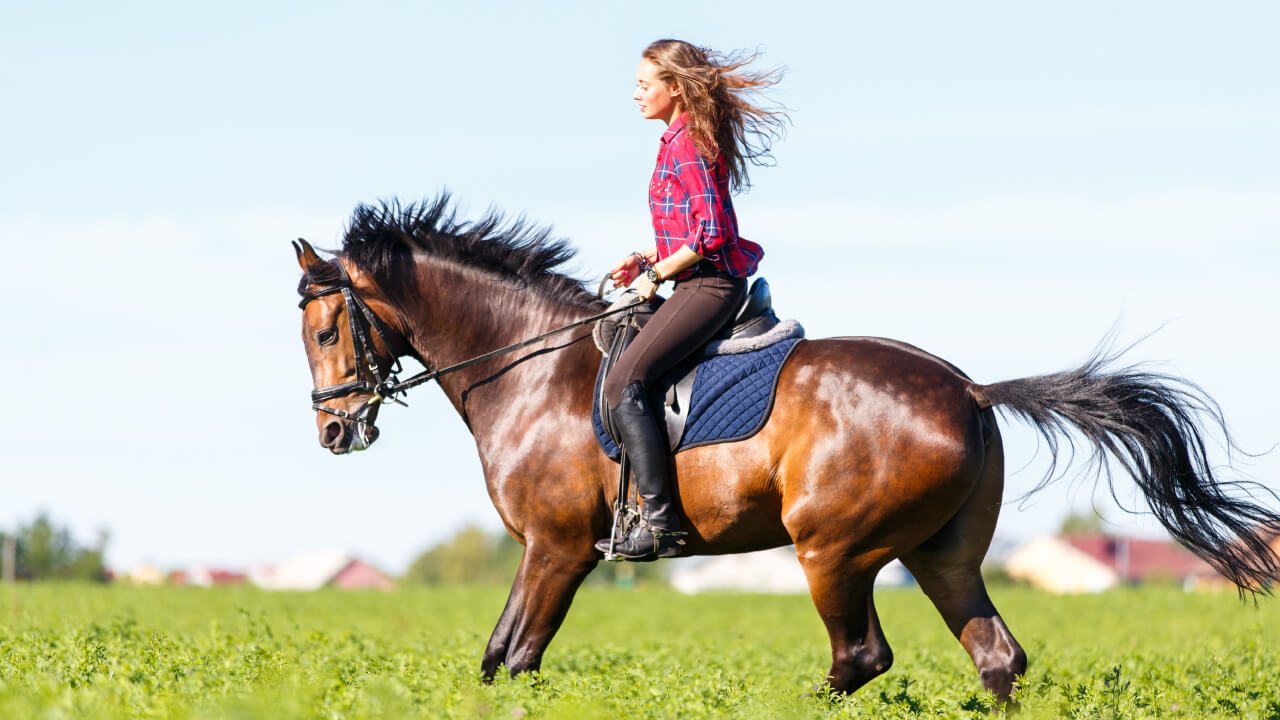
When it comes to dieting, many think of meal restrictions, muscle training, or gym workouts. Surprisingly, horseback riding is also an effective sport for weight loss.
Some might wonder, “Just riding a horse?” In reality, horseback riding is a sport with many weight-loss elements.
For example, sitting on a large horse can improve hip flexibility. Flexible hips promote better lymph flow and easier removal of waste products.
Moreover, riding engages your inner muscles, improving posture and increasing basal metabolic rate, helping you burn calories even at rest, making it a great weight-loss sport.
Horseback riding is also an aerobic activity that burns fat, where you elegantly control the horse while shedding calories.
Aerobic vs. Anaerobic Exercise
You may have heard of aerobic exercise. But what exactly qualifies as it and what are its benefits? Let’s compare it with anaerobic exercise.
Aerobic exercise uses oxygen to burn fat and involves sustained, moderate-intensity activity. It helps reduce body fat.
On the other hand, anaerobic exercise doesn’t need oxygen and relies mainly on glucose for energy. It involves high-intensity, short-duration efforts like weightlifting and sprinting, which can’t be sustained long.
Examples of Aerobic Sports
Typical aerobic activities include walking, jogging, cycling, aerobics, golf, and skiing.
Walking and jogging are easy to start anytime. Golf and skiing can be enjoyed as hobbies while staying active.
These activities allow you to control intensity. If you’re focused on weight loss, monitoring calorie expenditure matters. For example, a woman walking for 10 minutes burns about 29 kcal, cycling burns 28 kcal, golf 26 kcal, and aerobics burns 32 kcal. Horseback riding exceeds that at roughly 35 kcal.
These sports can be done alone or with friends. But only horseback riding allows you to enjoy interaction with horses while also relaxing and developing riding skills, making it a satisfying double benefit.
How Long Should You Ride? Minutes per Session
Have you heard that “aerobic exercise isn’t effective unless done for over 20 minutes”? Is that true? Does 20 minutes really make a difference? For busy modern lifestyles, can you shorten workout time?
Research shows that fat burning kicks in after about 20 minutes, when triglyceride levels in the blood decrease, and energy-burning of body fat truly begins. So, it’s necessary to exercise for at least 20 minutes to expect fat reduction. Unfortunately, short sessions are less effective.
However, doing two 10-minute sessions can be just as effective as one continuous 20-minute workout. Start gradually without overdoing it.
Typically, a horseback riding session lasts about 45 minutes for visitors or riding clubs. If 10 minutes burns 35 kcal, a 45-minute session burns approximately 157 kcal.
Additional Benefits Beyond Weight Loss
Aerobic exercise not only promotes fat burning and weight loss but also benefits overall health. It enhances respiratory muscles, improves oxygen intake, strengthens the heart muscle, and boosts blood circulation.
It can also help reduce excess body fat and improve lipid profiles, preventing arteriosclerosis. Furthermore, it reduces risks of hypertension, osteoporosis, and type 2 diabetes.
Emerging research suggests benefits for brain health, such as reduced risks of Alzheimer’s disease and depression. Making aerobic exercise a part of your daily routine offers multiple health advantages and is highly recommended.
METs Table for Horseback Riding
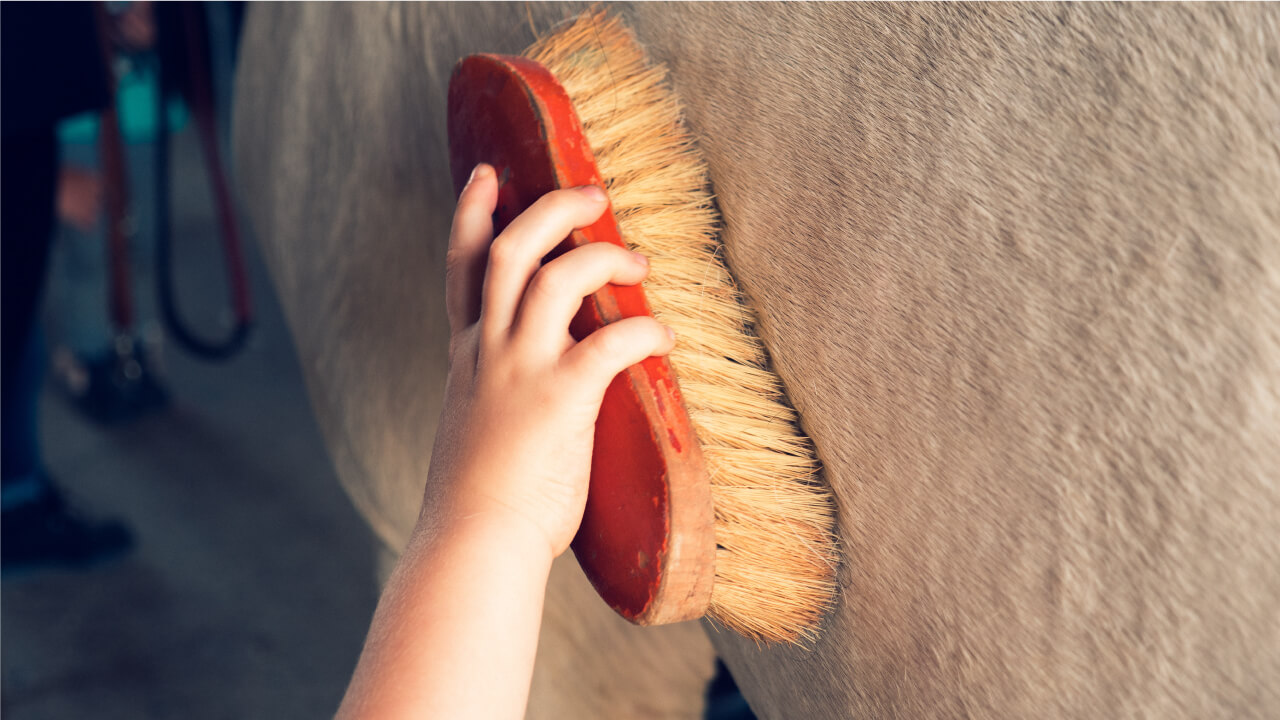
Have you heard of METs tables? They are provided by the National Institute of Health and Nutrition in Japan, showing the intensity of various physical activities, including horseback riding.
METs indicate the exercise intensity relative to resting. For example, slow walking has about 3.8 METs, brisk walking about 5.8, and trotting around 7.3 METs. Grooming and care activities also vary: feeding and watering are about 4.3, while cleaning stalls and brushing are around 7.3 METs.
Even without riding, cleaning stalls can provide exercise close to trotting. Such activities contribute to overall calorie expenditure.
Compare Horseback Riding to Other Sports
The lowest MET in horseback riding is 3.8 (walk), and the highest is 7.3 (trot). These numbers help visualize relative exercise intensities.
Comparable sports with similar METs include light walking, aqua walking, and household chores like cleaning bathrooms or raking leaves. These are low-intensity activities that don’t induce heavy fatigue.
High-MET sports like jogging, race walking, tennis, soccer, skiing, and ice skating involve sweating and a feeling of accomplishment. They offer a sense of achievement and physical satisfaction.
How Many Calories Can You Expect From Horseback Riding?
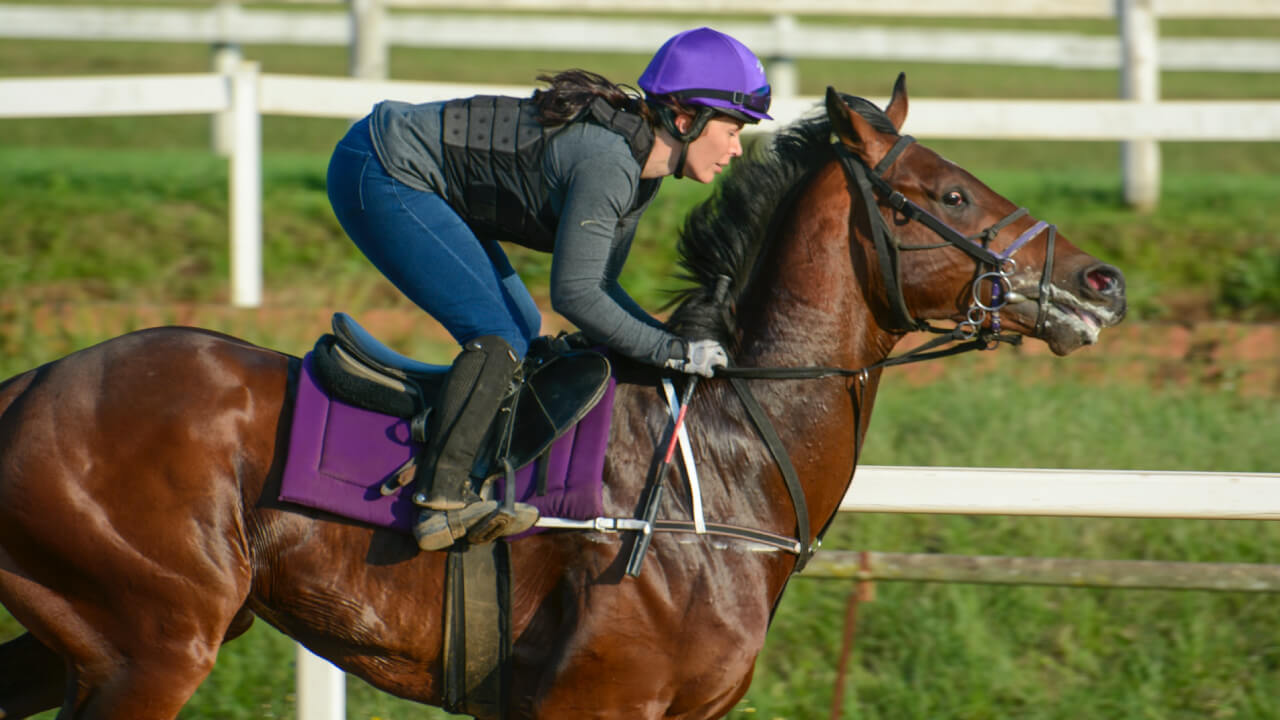
While the METs value helps estimate exertion intensity, visualizing calorie burn makes it easier for practical purposes.
This table shows calorie expenditure for a person weighing 45 kg to 85 kg during 60 and 40-minute sessions.
For example, a 45 kg rider burns about 260 kcal in 60 minutes, and 173 kcal in 40 minutes. Heavier riders burn proportionally more.
Adding running or additional care activities can increase calorie expenditure by 10-20%.
Including grooming and care increases total burn even further.
Conclusion

Riding horses might evoke images of galloping gracefully on a beautiful horse, but it is also a highly effective sport for weight loss.
Strengthen your inner muscles, boost your basal metabolism, and burn fat with aerobic exercise. Additionally, besides weight loss, it offers numerous health benefits. Why not start horseback riding for your fitness and well-being?