Beware of Respiratory Issues Due to Nasal Breathing Limitations
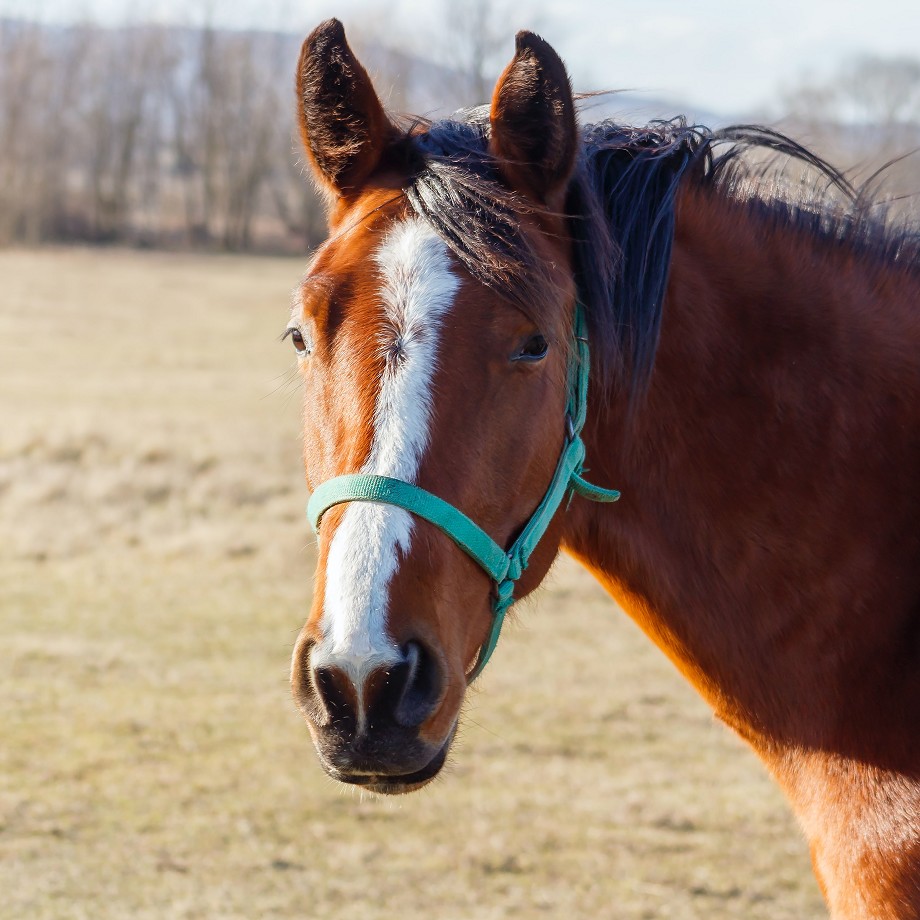
Are you aware that a horse only breathes through its nose? Unlike humans and many other animals, horses cannot breathe through their mouths. This unique characteristic emphasizes the importance of regular monitoring to catch illnesses early and prevent severe health issues.
Common Diseases and Injuries Worrying Horse Owners
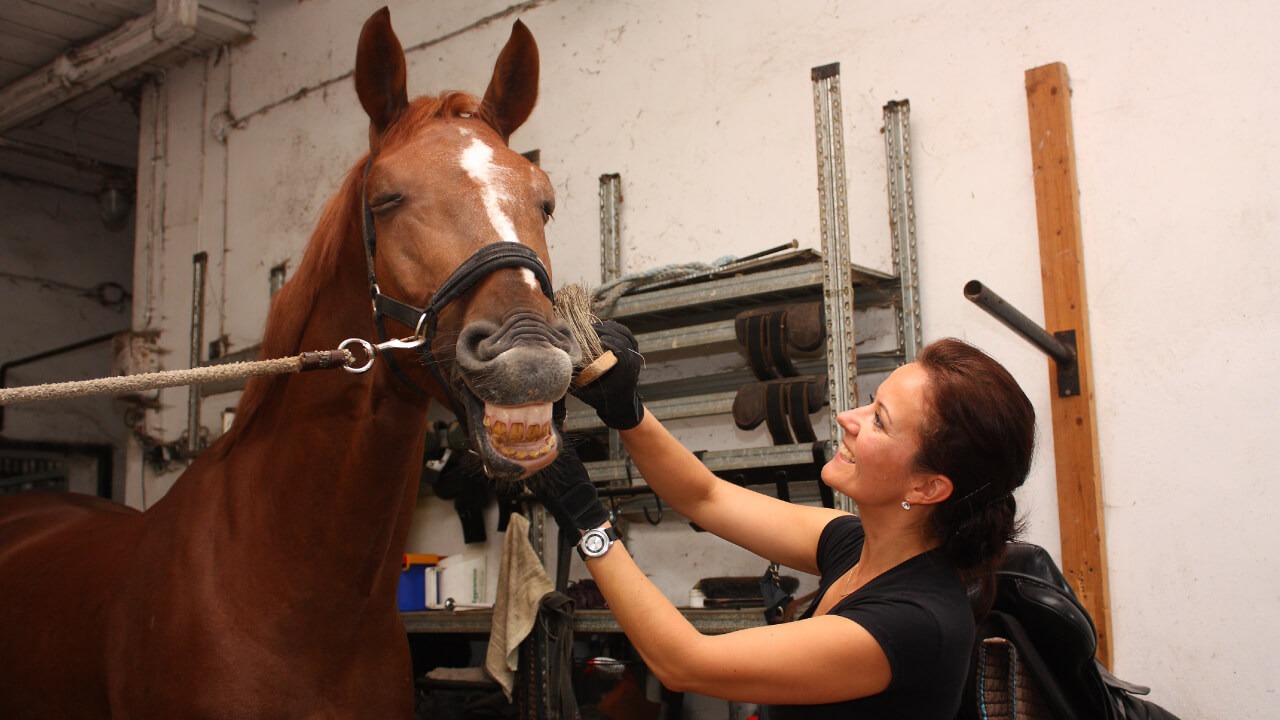
Since horses have a different anatomy than humans, they are prone to specific diseases and injuries. Prompt recognition and treatment of these conditions are crucial, as delays can be life-threatening. Here are some common illnesses and injuries of horses. Monitoring your horse’s health closely is essential.
Equine Influenza
Equine influenza is a respiratory disease caused by the equine influenza virus. Symptoms include fever, reduced appetite, dry cough, and nasal discharge. The virus spreads mainly through droplets from coughing. Horses can infect each other, but they do not transmit the virus to humans. Although it is not deadly like bird flu, vaccination is recommended yearly, and outbreaks must be reported to authorities. Treatment mainly involves rest and symptomatic care.
Colic
Colic is a general term for abdominal pain caused by various conditions, such as overeating, cold weather-induced spasms, constipation, or parasitic infections. Horses have unique gastrointestinal anatomy that predisposes them to colic. While many cases are mild, some, like volvulus, can be life-threatening. Treatment depends on the underlying cause.
Fractures
Many people have experienced bone fractures, either personally or through supporting someone. Mild fractures often heal with immobilization, but in horses, fractures can lead to retirement or euthanasia—major changes in their lives. Severe cases require careful consideration, as long-term health may be compromised. Preventing fractures during training and racing is essential.
Colds and Influenza
Commonly caused by viral infections, colds in horses can present with fever, reduced appetite, cough, and nasal discharge. Symptoms vary, and some horses may appear healthy but have a fever detectable by daily temperature checks. Early treatment and rest usually lead to quick recovery, but unnoticed fevers can worsen into pneumonia. Diagnosis should be confirmed by a veterinarian to distinguish from other illnesses like equine influenza.
Nosebleeds
Nosebleeds in horses can cause breathing difficulty since they cannot breathe through the mouth. Causes include external trauma and internal issues like lung or airway problems, which require careful diagnosis. Recurrent nosebleeds suggest internal illness and need medical attention.
Laminitis
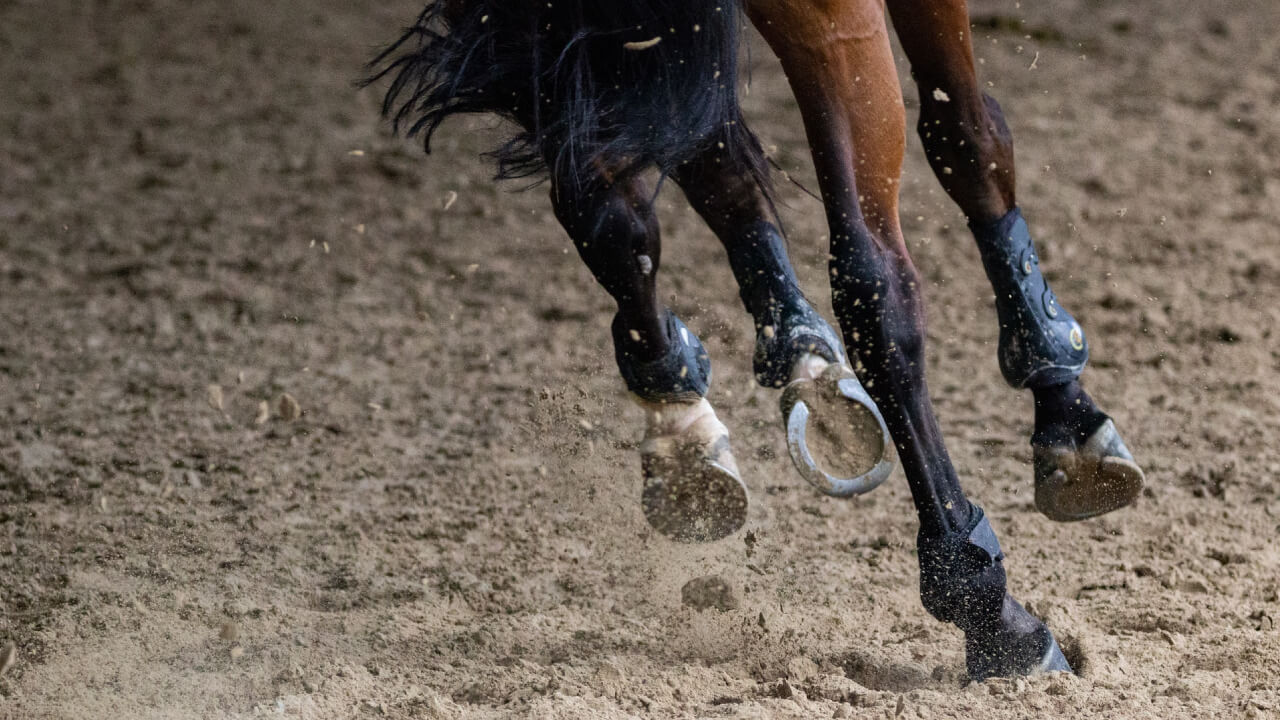
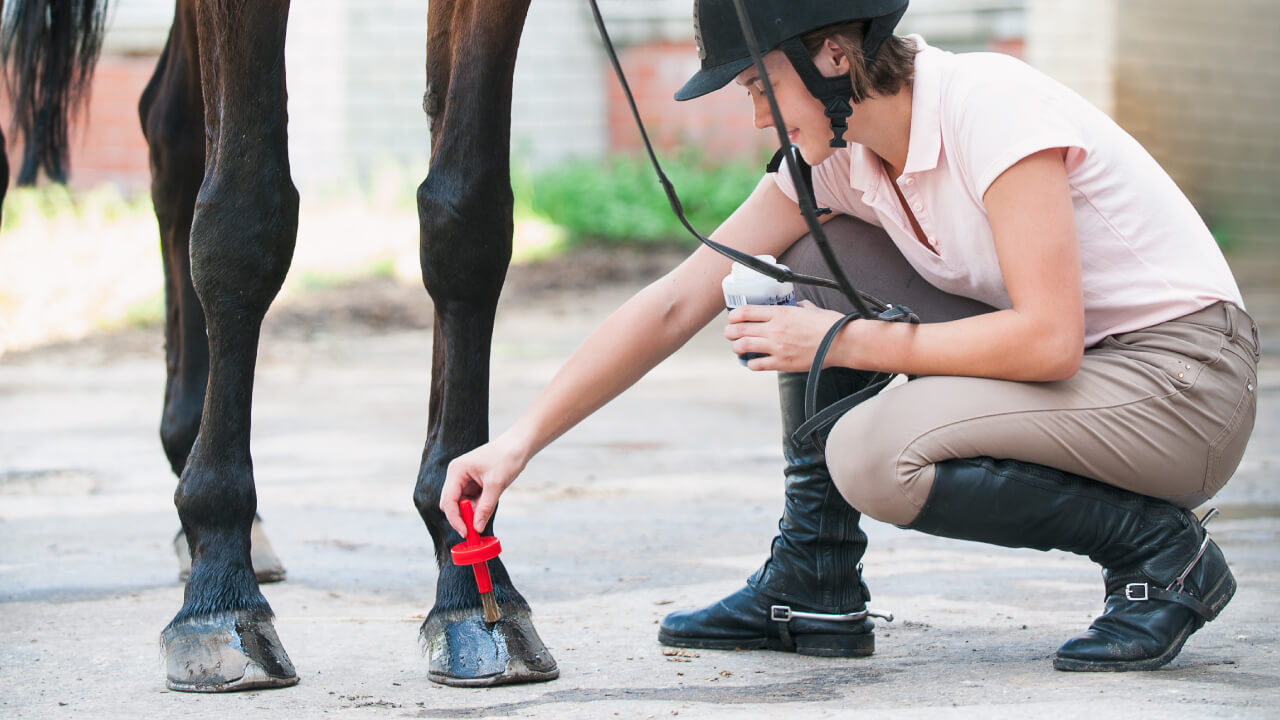
Laminitis involves cracks or splits in the hoof wall caused by dryness, impact injuries, or poor hygiene. Conditions include vertical (longitudinal) cracks due to dryness or horizontal cracks from structural issues. Preventive measures like hoof oiling and avoiding excessive dry conditions are recommended. Severe cases may require shoeing or resting until recovery.
Sore (Zaseki)
Sore, caused by stepping on stones or other hard objects during walking or running, results in inflammation or internal bleeding in the hoof sole. Signs include heat in the hoof and difficulty walking in severe cases. Remove stones and debris to prevent this injury.
Suspensory Ligament Injury (Ebihara)
The condition known as “Ebihara” involves inflammation or partial tearing of the tendons, causing swelling similar to a shrimp. It likely results from overexertion. While not life-threatening, it can end a racehorse’s career.
Muscle Strain and Pain (Cosumi)
Often called “Cosumi,” these symptoms occur after intense training or racing. Mild cases may only cause discomfort when pressed, but severe cases lead to awkward gait or limping. Usually resolved with warming-up, but rest may be necessary for serious cases.
Metacarpal Corticitis (“Soe”)
This refers to stress fractures caused by intense training before the bones are fully developed, especially in young horses. Rest and cooling can aid recovery, and proper treatment can prevent worsening. Bones typically strengthen around age five, leading to natural stabilization.
Horse Health Management and Prevention
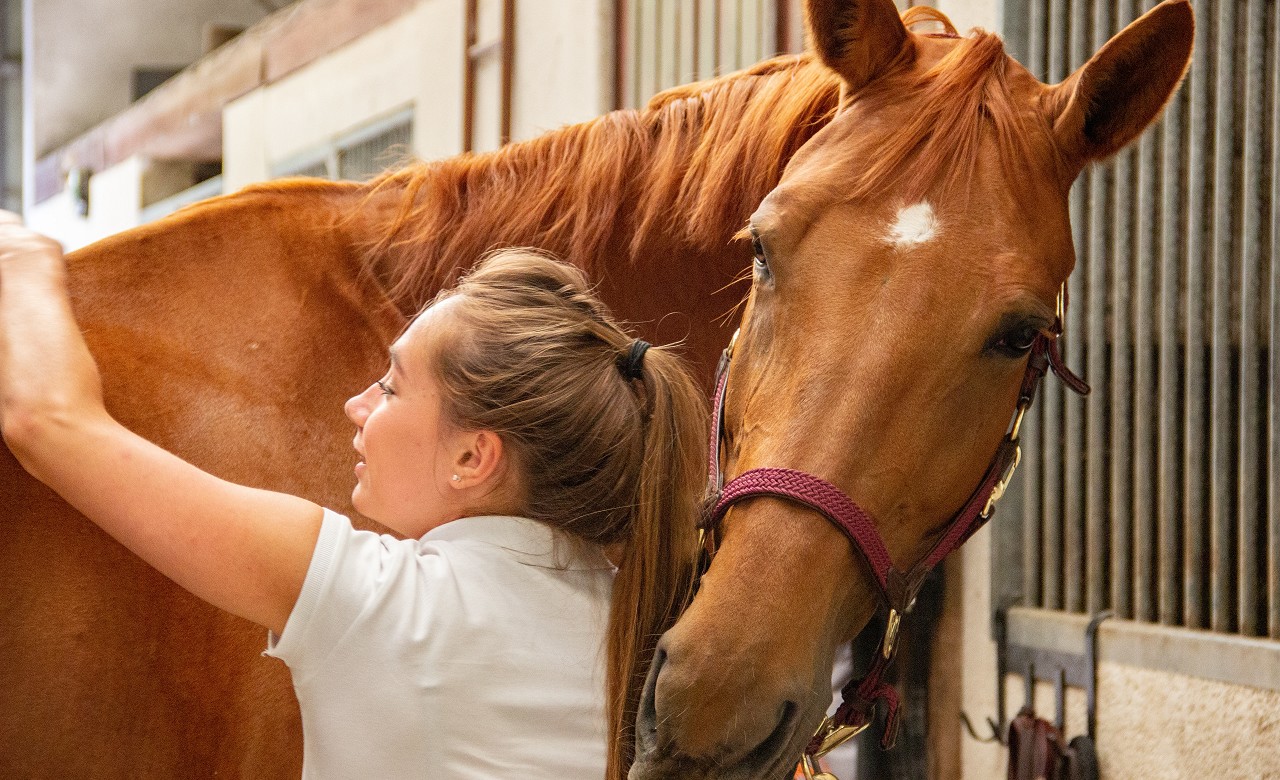
Early detection and treatment of horse illnesses or injuries are crucial. Since horses cannot communicate through words, it’s essential to observe routine health indicators and subtle behavioral changes. Regular checks include temperature, pulse, respiration, mucous membranes, eating habits, coat condition, urine and stool color and quantity, intestinal movement, hoof temperature, and the condition of the hoof wall and sole. Knowledgeable observation helps catch issues early and maintain your horse’s health.
Summary
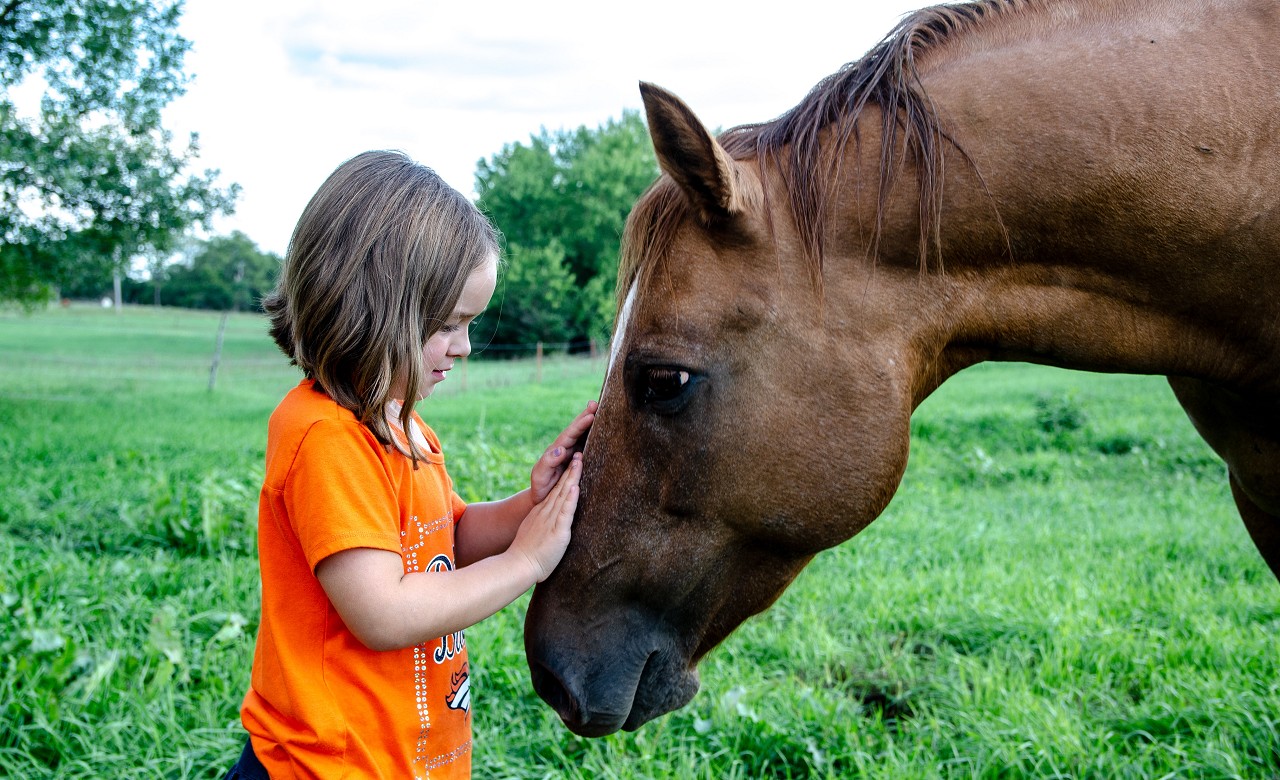
Because horses have different physiology from humans, they can sometimes deteriorate quickly or develop critical health problems. Close daily observation and proactive health management, including noticing unusual behaviors, are vital. Building a routine of regular interaction and careful monitoring can help catch issues early and keep your horse healthy and happy.