
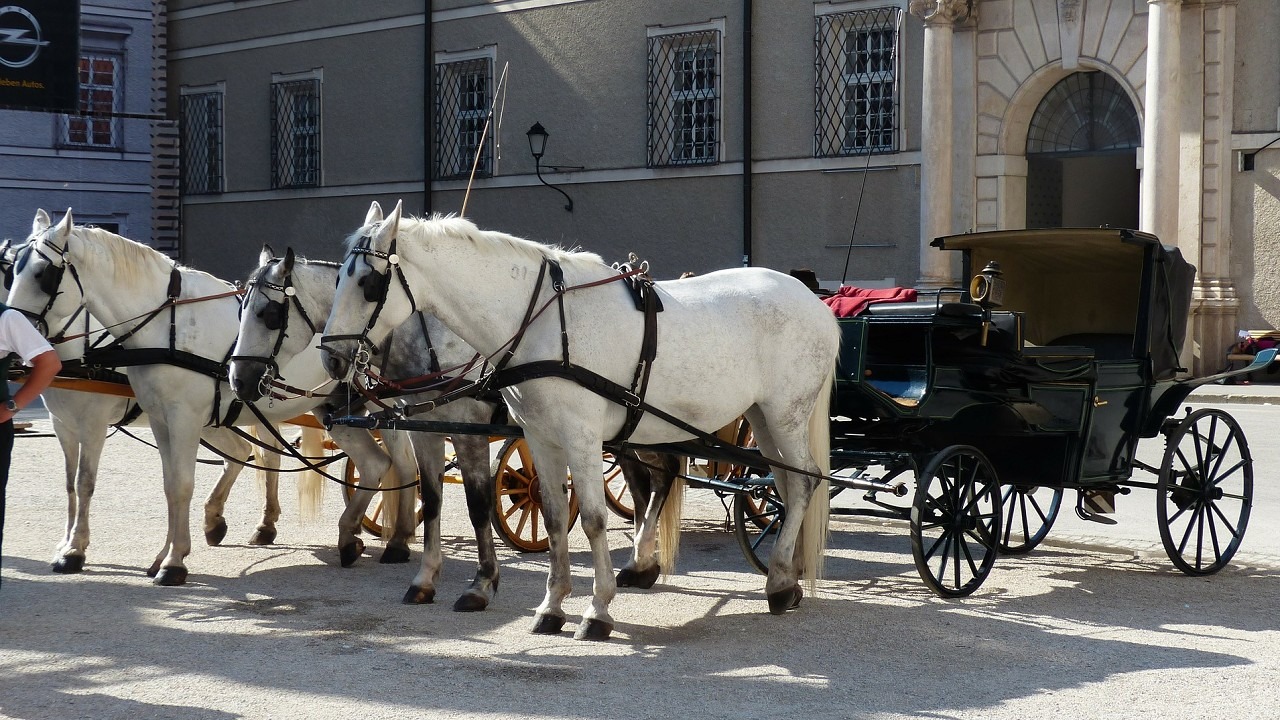
Hermes is renowned as a flagship brand representing high fashion. When you think of Hermes, the famous Birkin bag comes to mind—an opulent accessory that women aspire to own, often seen in magazines, on the street, and on TV.
Hermes’ scarves are also highly popular, with new designs attracting attention. However, vintage designs have seen a resurgence amid the modern retro trend reminiscent of the Showa era.
Did you know that Hermes has a long-standing connection to horses? If you picture the Hermes logo, you’ll notice a horse depicted.
This article explores the fascinating relationship between the luxury brand Hermes and horses.
The Origins of Hermes as a Saddlery Workshop, Famous for Bags and Wallets
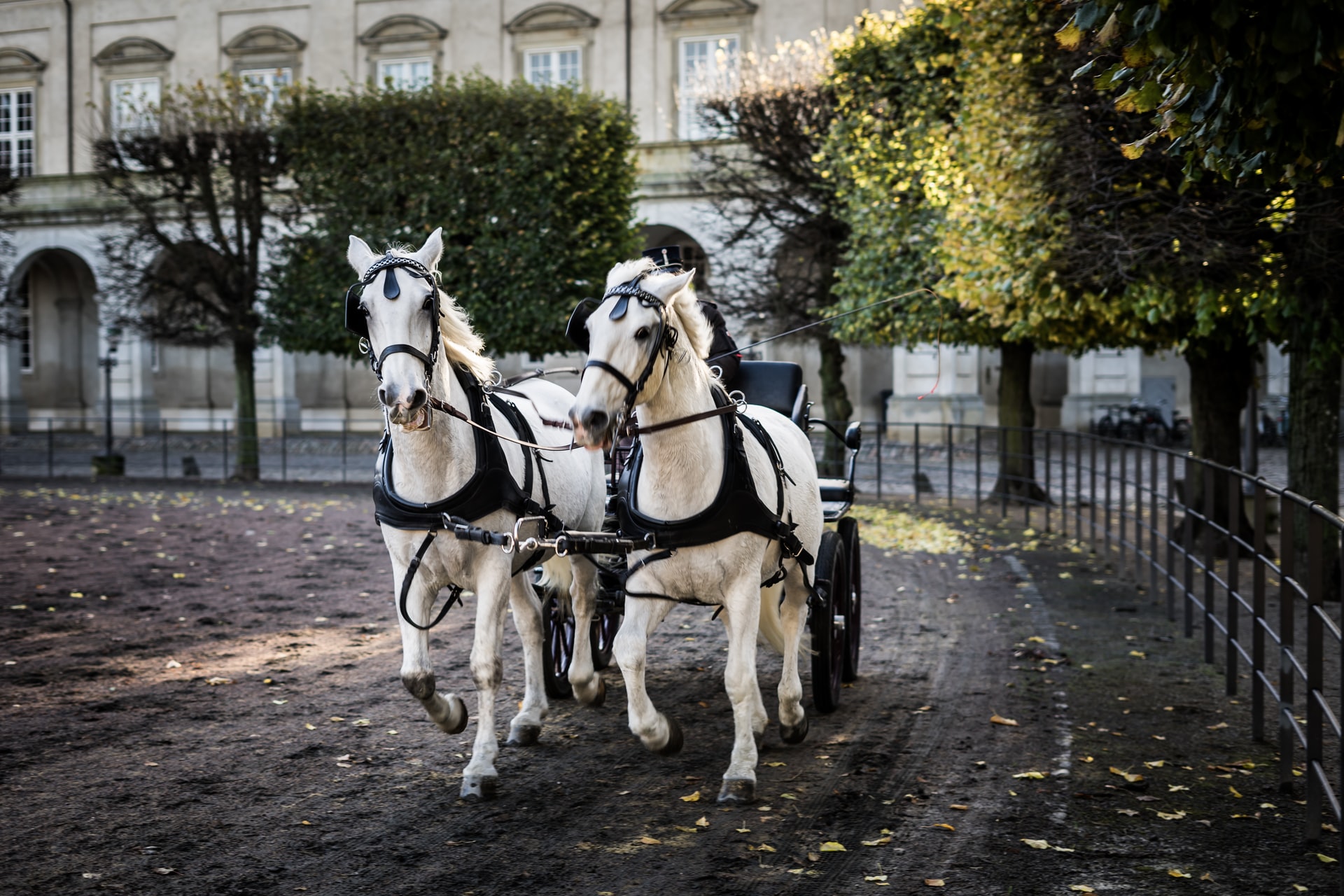
To understand Hermes’ connection to horses, it is essential to explore its history. Founder Thierry Hermes established the brand in 1837, initially focusing on harnesses and horse tack—products that symbolized status in the pre-automobile era when horse-drawn carriages were common.
Today, automobiles and trains dominate transportation, and cars often reflect personal status. However, in 1837, horse-drawn carriage decoration and horse gear were symbols of prestige. Hermes started as a workshop for making saddles and harnesses, marking its origins in equestrian craftsmanship.
Thierry Hermes’ high-quality, stylish horse gear gained popularity, eventually serving Napoleon III, earning the status of ‘Imperial Supplier.’ The brand’s reputation grew as Thierry Hermes received awards at international exhibitions, including a silver medal at the Paris Exposition Universelle, and his successor Charles-Emile Hermes received a gold medal, elevating Hermes to a premier luxury label.
However, with the advent of cars, demand for horse gear declined, threatening Hermes’ survival. To adapt, third-generation owner Emile Maurice Hermes exported saddlery to Russia and South America and ventured into fashion, creating bags and leather accessories with the same craftsmanship, revolutionizing luxury fashion. The brand diversified into silk scarves and fragrances during the 1929 depression, including the popular “Carré” silk scarves and perfumes, with Hermès’ signature silk production and iconic fragrances emerging during this period.
Thanks to the leadership of fifth-generation Jean-Louis Dumas Hermès, the brand expanded globally, adopting strategic marketing and advertising, transforming into an internationally celebrated luxury brand.
Heritage from saddle making to high fashion has solidified Hermes’ reputation as a top-tier luxury house.
The Hidden Meaning Behind Hermes’ Logo

Have you noticed Hermes’ logo? Try to imagine what the emblem above the “HERMES” text represents.
Hermes’ logo features the brand name along with a horse, horse carriage, and footman. Interestingly, it does not include the carriage driver, which may prompt questions. This design choice reflects Hermes’ roots and philosophy.
The horse and carriage symbolize Hermes’ origins as a saddlery workshop. The absence of the carriage driver and the inclusion of a footman signify that the customer is at the center—the main character of the story. The carriage and horse represent Hermes’ products; the footman symbolizes craftsmen, while the customer, depicted indirectly, emphasizes that Hermes provides the highest quality gear, and the customer chooses to use it.
The message conveyed is: “Hermes supplies the best carriages (products) and footmen (quality), so the customer (owner) can enjoy the brand.” Additionally, the direction of the carriage, which the owner controls, implies that “even the finest products lose their value if not respected and cared for,” highlighting the importance of customer appreciation and care. The logo’s symbolism reflects Hermes’ confidence in its quality and a sincere wish for customers to value their products deeply.
Does Hermes Still Make Horse Gear Today?
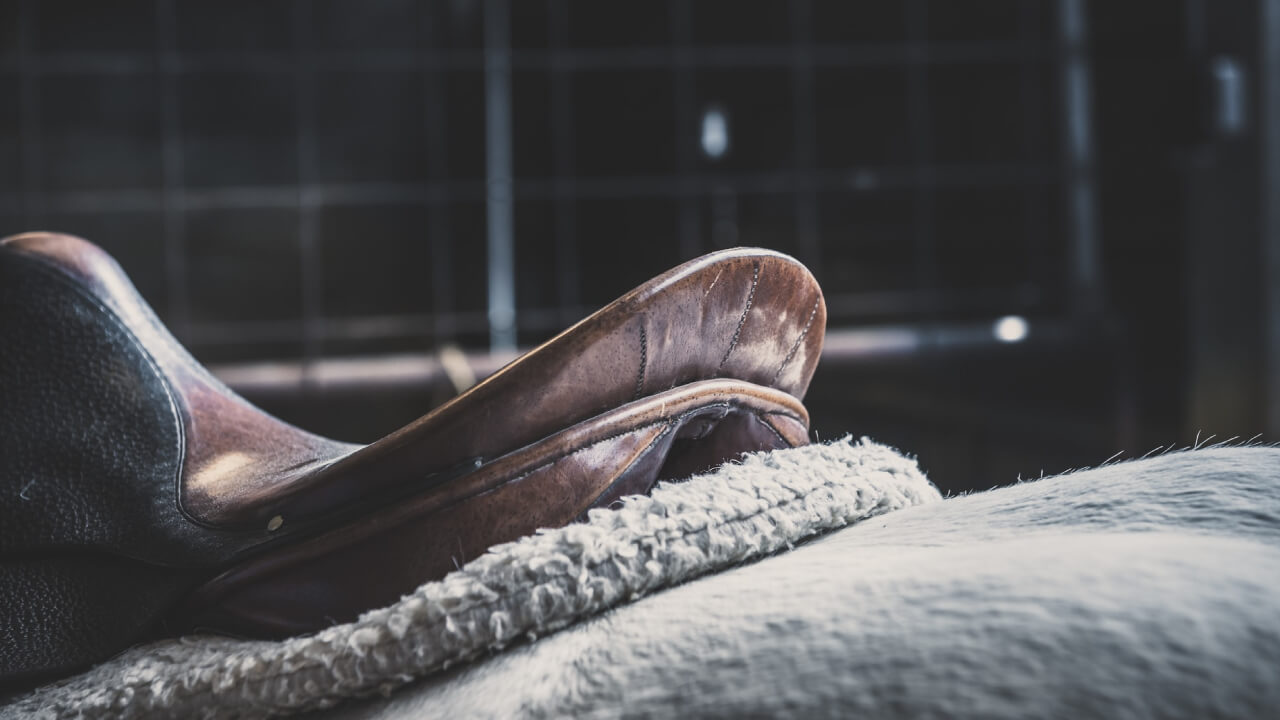
You might think that Hermes has shifted entirely to fashion, with no more horse gear production. However, Hermes continues to produce and sell horse gear today. The lineup includes reins, bridles, halters, and other equestrian products.
Since Hermes originated as a saddlery workshop and expanded into fashion, it still manufactures riding apparel and accessories, which are popular for their elegant, minimalist designs. These items allow riders and their horses to enjoy coordinated styles.
Also, Hermes still makes saddles, crafted by skilled artisans who have been working in this craft since 1837. Each saddle is handmade to order, with careful measurement of both rider and horse, ensuring a perfect fit—making each saddle truly unique and tailored.
Summary
Today, Hermes is known worldwide for its bags, scarves, perfumes, and other luxury goods. Few realize that the brand started as a saddlery workshop. Throughout its history, Hermes has maintained a relentless commitment to quality, which has helped it stay at the top of the luxury market. Whether you’re a dedicated fan or just curious, take a closer look at Hermes’ horse gear—the craftsmanship and history behind it are truly remarkable.