
When your beloved horse shows signs of illness, can you notice it quickly? Just like humans, when we have a fever and feel unwell, it’s tough to stand.
Few people can tell if a horse’s body temperature is elevated just by touching it. Measuring a horse’s temperature isn’t something that anyone learning horseback riding can do automatically.
However, you can assess your horse’s health based on their usual behavior. Here, we introduce how to check your horse’s condition through simple observations.
What Is a Horse’s Normal Body Temperature?
Just like humans have different normal body temperatures, each horse’s normal temperature varies slightly. The normal body temperature is the average temperature observed when measuring the same area while the horse is at rest and healthy.
Do you know what your horse’s normal body temperature is? Here, we introduce the typical temperature and how to measure it.
Horse’s Normal Body Temperature
The typical body temperature for a horse is around 37°C to 37.8°C. Since human normal temperature is about 36°C to 37°C, a horse’s temperature is slightly higher.
Also, similar to humans, a horse’s temperature tends to be higher in the evening compared to morning. The normal temperature can vary with age, with younger horses generally having a slightly higher temperature.
Knowing your horse’s normal temperature helps you determine their health status for that day.
How to Measure a Horse’s Temperature
How do you measure a horse’s temperature? For humans, digital thermometers used under the armpit or in the mouth are common. There are also forehead thermometers that provide quick readings.
For horses, a veterinary thermometer is used. This involves inserting a thermometer into the rectum to measure the temperature inside.
The thermometer should stay in place for about two minutes. It might seem long, but for those familiar with regular temperature checks, it becomes routine. Horses generally tolerate this process well, especially if it’s done regularly as part of their health management.
Knowing your horse’s normal temperature is crucial for gauging their condition each day. Be sure to familiarize yourself with their typical temperature and take a measurement if you notice any unusual signs.
How to Lower a Horse’s Fever and Precautions
When a horse has a fever due to scorching weather or vigorous exercise, it is uncomfortable for them. If a fever persists, it can drain their strength and affect their overall health. It’s important to lower the temperature promptly.
The best way to reduce a horse’s fever is through sweating, which helps regulate body temperature. If a horse cannot sweat properly, it cannot cool down on its own. Observing and acting quickly is essential.
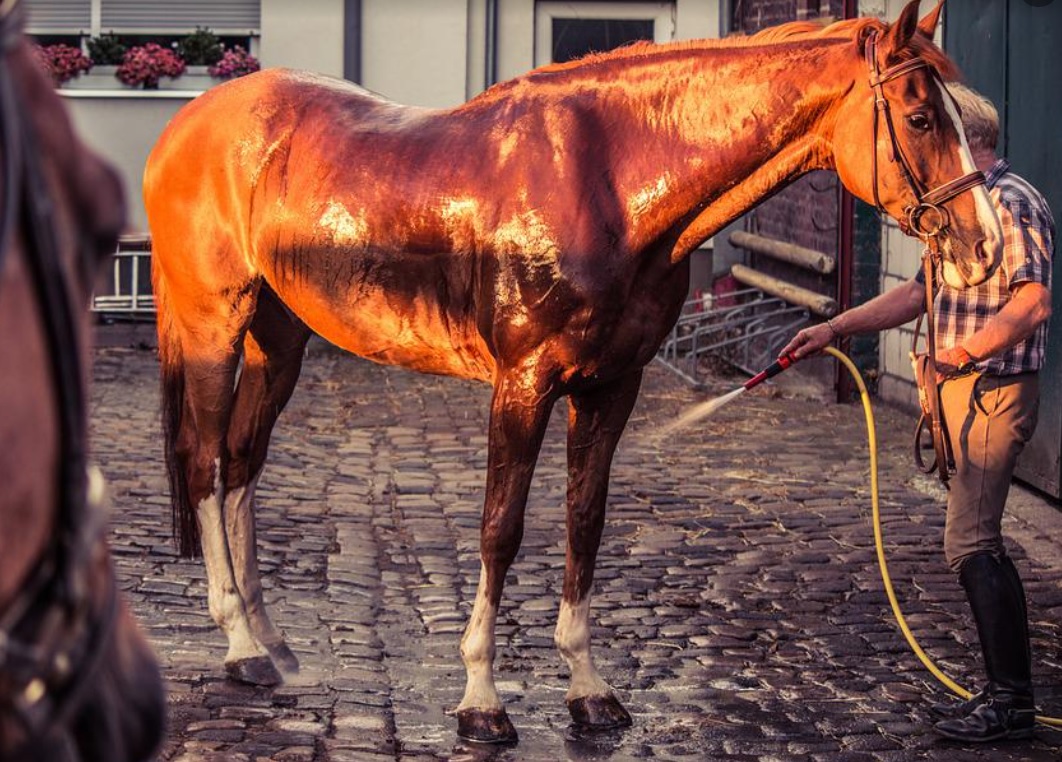
One effective method is to spray water on the horse’s body—targeting major blood vessels, such as the neck and groin, is especially effective. For instance, the area inside the hind legs tends to trap heat, so applying extra water there can be especially helpful.
After cooling down with water, be sure to thoroughly dry the horse to prevent chills.
Daily Checks and Maintenance for Horse Health
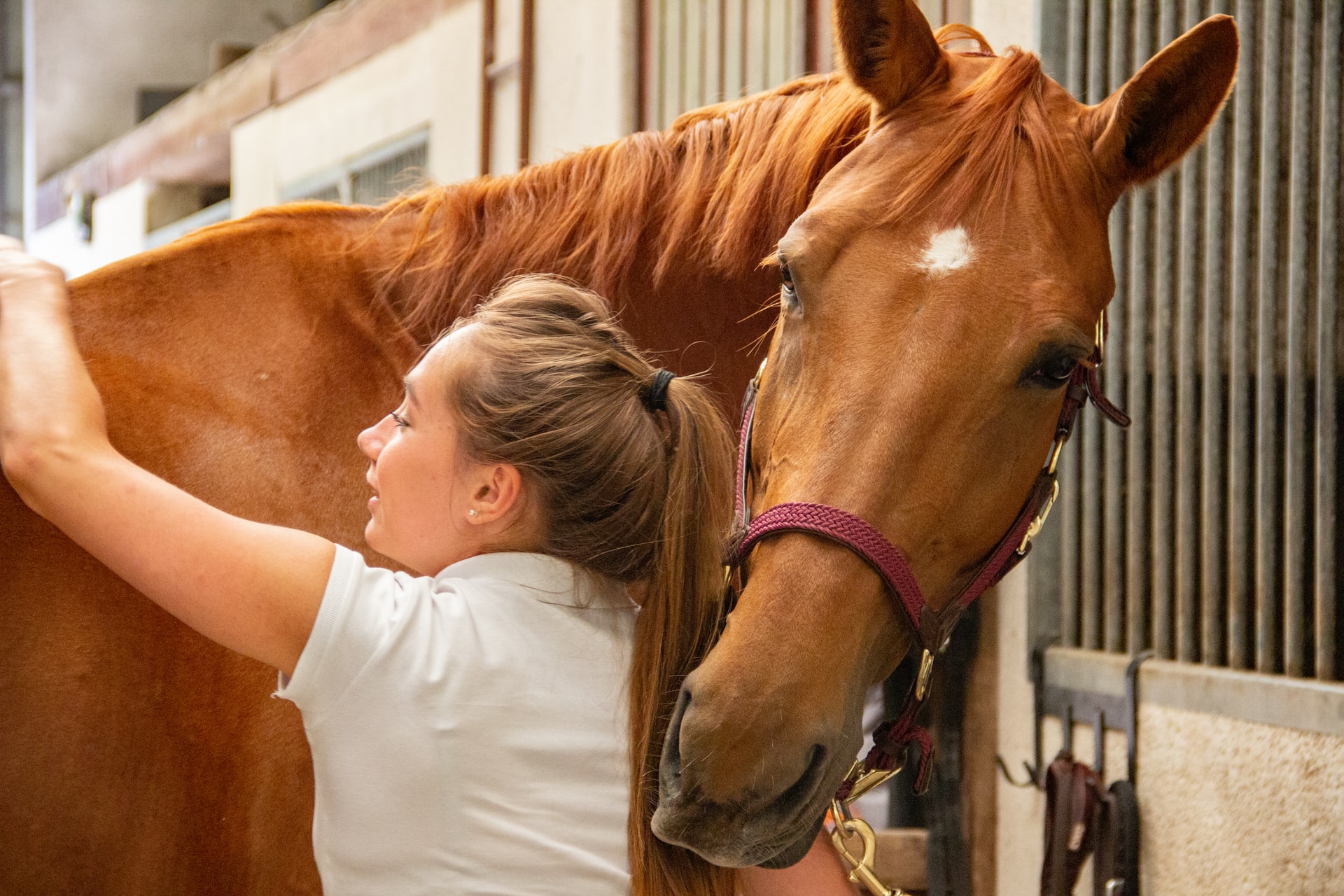
In addition to measuring temperature, regular grooming and checking can help monitor your horse’s condition. If you notice symptoms like loss of appetite or lethargy, their temperature may be elevated.
Be alert for signs of illness or injury, such as unusual movements or signs of pain. Regular observation and communication are key to catching any health issues early.
By keeping an eye on your horse’s usual behavior and habits, you can better detect changes and respond promptly to potential health problems.
Summary
How was this? Horses cannot take medication or rest on their own like humans when they feel unwell. It’s up to their caretakers to notice signs of illness, measure their temperature, and act accordingly.
To quickly detect health issues, observe your horse’s normal behavior, manage their diet, and familiarize yourself with their typical temperature range. Also, understanding what to do if they have a fever is essential for maintaining their well-being.