Everywhere horses are seen, there are farms, but which is the correct pronunciation: ‘makiba’ or ‘bokujo’? In this article, we’ll explore the readings and meanings of various horse-related kanji. Even if you struggled with kanji in school, connecting them with something you love can make learning surprisingly enjoyable!
Which is the Correct Pronunciation?
First, let’s look at how to read ‘牧場’ (farm). You might wonder which is the correct way to read it: ‘makiba’ or ‘bokujo.’ Actually, the difference is whether it’s an on’yomi (Chinese reading) or kun’yomi (native Japanese reading). Both are correct and used appropriately depending on context.
The kanji characters were originally imported from China, where they are pronounced differently. In Japanese, the Chinese pronunciation is called on’yomi, while the native Japanese pronunciation is kun’yomi. Both readings are valid.
When Do You Use Which?
For example, even a single word like ‘popularity’ can be read as ‘hitoke’ or ‘ninki,’ which completely changes its meaning. So, does ‘makiba’ and ‘bokujo’ have any differences in meaning? They generally refer to places where:
- Livestock or working animals are kept in
- A space for grazing is provided
- Culturally enclosed by fences
In other words, both ‘makiba’ and ‘bokujo’ mean essentially the same thing. However, Japanese speakers tend to associate ‘makiba’ with a natural, lush highland scenery where animals roam freely, while ‘bokujo’ may evoke a more industrial image of large-scale livestock farming.
Difficult Horse Riding Terms and Readings
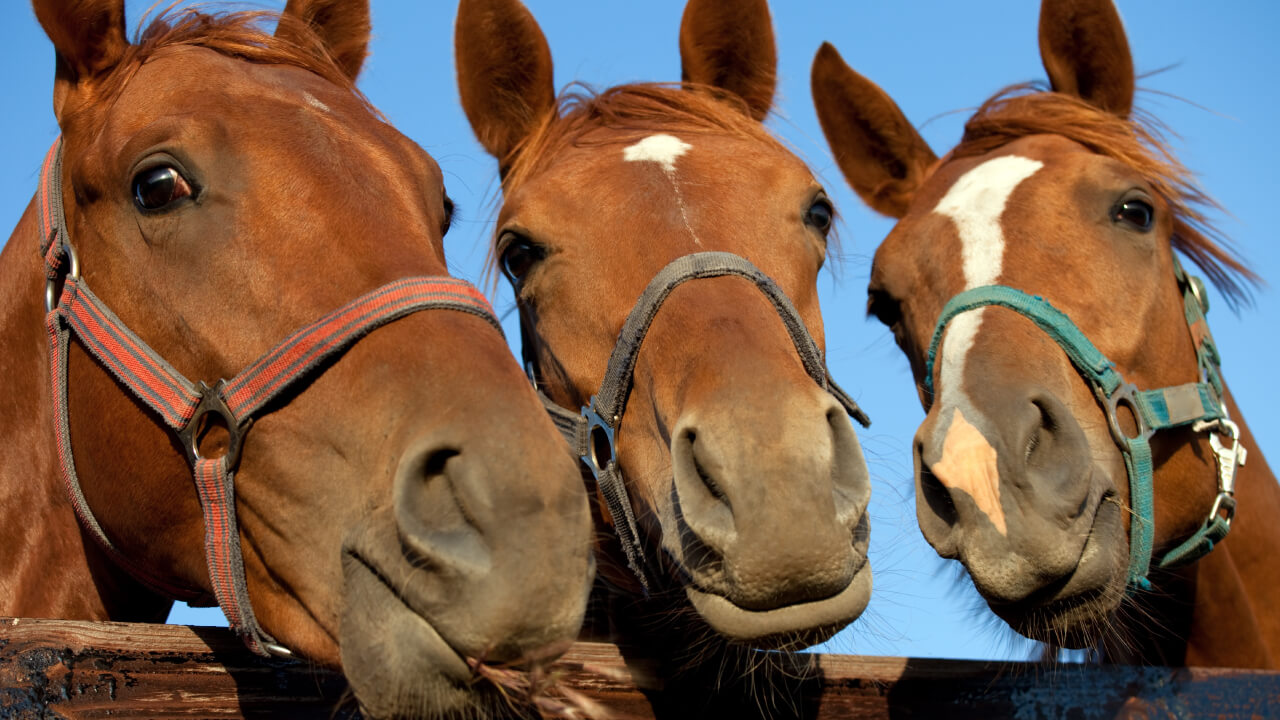
Since we’ve talked a bit about kanji, here are some difficult horse riding terms and their meanings. Even experienced riders might struggle to write these in kanji correctly if suddenly asked!
鐙 (あぶみ) – Stirrup
Stirrups are often made of metal and are always a source of frustration for riders who find it hard to balance their weight or who worry about slipping out. The kanji for stirrups includes the metal radical 金 on the left, reflecting their material.
On the right, is the character 登, which means ‘to climb.’ Using stirrups to get onto the horse may not evoke ‘climbing’ for most riders, but learning to trust your stirrups as a stepping stool is very useful.
轡 (くつわ) – Bridle
Originally derived from ‘口輪’ (mouth ring), 轡 refers to the **bit** and surrounding parts. While this term appears in classical literature, it’s rarely used by modern riders.
Historically, 轡 was read as ‘kutsuba-mi,’ but some old texts also read it as ‘kutsuba-mi’ using different kanji like ‘銜’ or ‘勒.’ Interestingly, these kanji have slightly different parts they refer to, which makes the terminology quite complex. In China, the kanji 轡 means ‘rein,’ which visually resembles a bit connected to reins, evoking the image of bridles and reins connected to a horse.
鞍 (くら) – Saddle
The saddle supports us when riding and is written with the radical for leather and the character 安, meaning ‘peace of mind.’ This character is a **形声文字** (rebus/phonetic compound), where the left part indicates the material, and the right part gives the pronunciation. The kanji for saddle, such as 鞍辱 or 鞍馬, are pronounced ‘an’. The character 安 suggests that having a saddle provides stability and comfort, even for beginners.
鞭 (むち) – Whip
The word for whip, including variations like 短鞭 or 長鞭, is pronounced ‘beni.’ This kanji is also a **形声文字** with the radical for leather and the component for pronunciation. While often associated with harshness, a whip used properly is a tool for communication and encouragement, not punishment. The choice of kanji emphasizes the idea of guiding and supporting rather than hurting.
蹄 (ひづめ) – Hoof
蹄 can be read as ‘hizume’ or as ‘teiteki’ in certain contexts like 蹄鉄 (horseshoe). The right component ‘帝’ also reads ‘tei,’ and both are **形声文字**. Additionally, it’s a **会意文字** (ideogram) combining ‘foot’ and ‘to gather or unify,’ reflecting the way horse hooves are compacted at the tip. It also suggests the horse’s hoof as a part of the leg that is tightly gathered.
埒 (らち) – Paddock Fence
埒 refers to the fencing around a riding arena. Usually made of wood, the kanji uses the 土 (earth) radical, contrasting with the 木 (wood) radical in the word for fence. Originally, it referred to low earthen walls, not just wooden fences. Over time, it also came to mean boundaries or frameworks in a broader sense, such as in the phrase ‘埒が明かない’ (*the situation is at an impasse*). This idiom describes a situation where progress cannot be made within the original boundaries or framework.
Summary
This article has explored various kanji related to farms, horses, and horse riding. As riders, you often encounter kanji in equipment and horse body parts. If memorization seems difficult, understanding the meanings or origins of these characters can also be a helpful way to remember them!