
Materials and Construction of Culottes
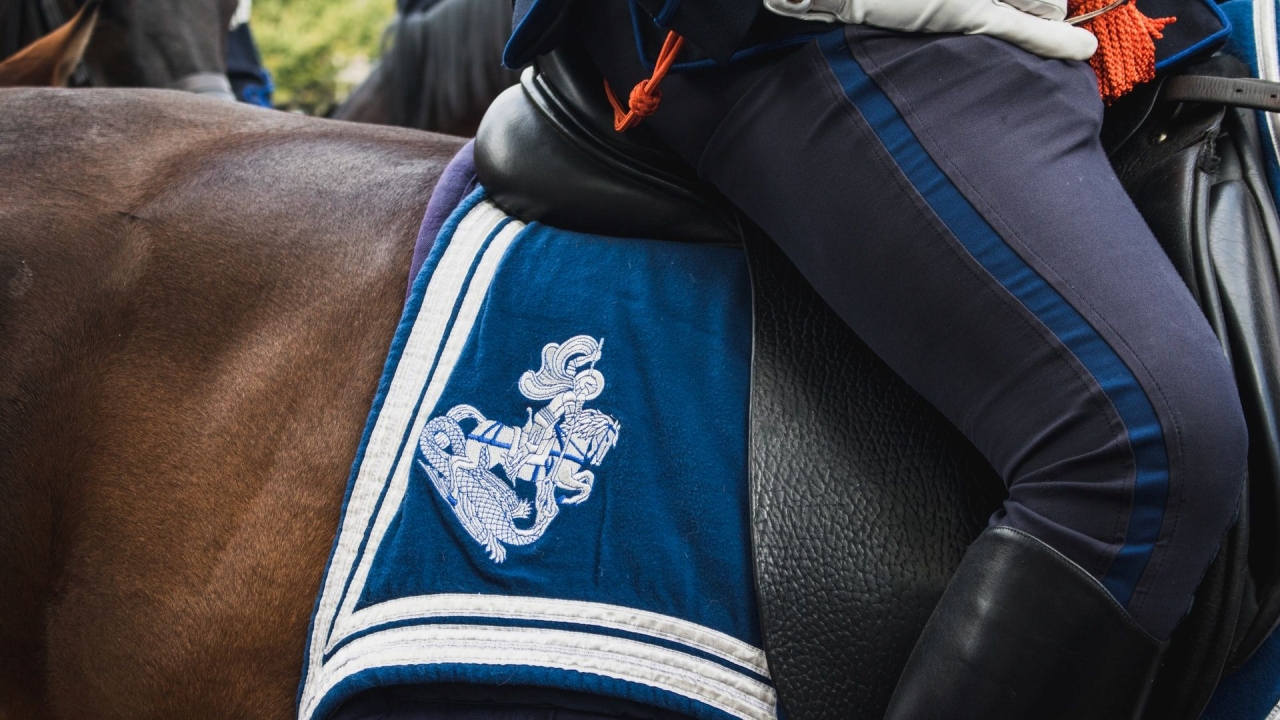
Culottes are riding trousers specifically designed for horseriding, made from durable, stretchy materials that allow for agile movement. They are a vital part of riding gear for both men and women.
The term ‘culotte’ originates from French, meaning trousers, used from the 17th to 18th centuries.
You might wonder if they need to be dedicated riding trousers, but culottes differ from regular pants by using special material inside the calves that prevents slipping, providing riding stability, and reinforcement in crucial areas.
Riding also heavily engages your legs, thighs, and hips.
Therefore, culottes are often considered ‘supporters for your legs and lower body’ and are essential for effective riding.
They are more durable than jeans or regular pants and are crucial for contact with the horse and saddle. Without slip-resistant features, falling off might have been more likely.
While jeans can be used, choosing proper riding culottes based on these points is advisable.
For competition or serious riding, wearing proper culottes is mandatory.
They come in two types: jodhpur and breech styles.
Jodhpur Style
Jodhpur culottes are suitable for short boots, with the hem outside, but can also be folded and worn with long boots.
The outside hem prevents dirt and sand from entering the boots.
Many now feature stretch fabric at the ankles for comfortable fit and ease of movement, making them very popular.
Breech Style
Breech culottes are secured with magic tape and are designed for long boots but can also be worn with short boots by tucking the hem in.
In Japan, most riders prefer the breech style.
Even with short boots, many attach chaps over the hems of breeches.
However, the magic tape can add bulk and feel uncomfortable.
In Western countries, jodhpur styles are favored.
Altering the length of breeches is challenging because of their unique shape.
Jodhpur pants are easier to tailor at home if needed for growing children or length adjustments.
Materials for the knee, hip, and inseam areas include leather and silicone options.
Leather knee or seat patches provide enhanced grip and durability, made from fuzzy faux suede.
Some saddle contact areas are made from cloth instead of leather or silicone.
Choosing the right size is obvious, but here is a quick overview of each type.
Matching Fabric Type
Matching fabric culottes use the same material for the seat, knees, and inner thighs, which are less grippy but more comfortable and easy to wear like regular pants.
They allow smooth knee bends, making them convenient for grooming, mounting, and dismounting.
Many beginners opt for matching fabric for comfort and affordability.
These culottes are often less expensive than leather or silicone types and preferred by people with sensitive skin.
For beginners, starting with matching fabric may help develop good riding posture.
Knee Leather Type
Knee leather culottes feature leather patches on the inside of the knees for durability against friction, avoiding tears and wear.
They do not provide as much grip as leather seat patches but are suitable for those who want to prevent slipping at the knees without sacrificing grip on the saddle.
Jump riders often prefer this type to support their knees during jumping.
Seat Leather Type
The popular seat leather culottes have leather from the seat to the inner knees, providing high grip and stability during riding.
Widely loved by beginners and experts alike.
Silicone Type
The latest innovation, silicone culottes, are stretchable and conform to the body, with silicone patterns in place of leather at the knees and seat areas.
The grip strength varies depending on the pattern and area.
Knee grip areas are silicone on the inside of the knees, similar to knee leather types, suitable for jumping.
Full grip versions have silicone from the seat to the inside of the knees, similar to seat leather options.
Note that black stains from contact with saddles or inner thighs can develop over time.
Light-colored pants like white or beige make stains more visible but wash out easily.
Dark colors like black hide stains well.
Light-colored pants may show dust and dirt, but they are also easy to wash out.
For official competitions, white culottes are often required.
(a reminder to check event regulations as they vary).
If unsure which to choose, here’s a quick guide: beginners may prefer seat leather, while jumpers focus on knee leather.
Equestrians seeking proper posture might opt for seat leather, and those with sensitive skin might choose matching fabric.
Daily Care for Culottes and Riding Trousers
Wash after every use, just like regular clothes.
Post-Ride Care
Wash after riding as well.
Things to Avoid: Improper Handling
Avoid tumble dryers and direct sunlight, especially for silicone and leather parts, as they can deteriorate quickly.
Washing Instructions
Use a laundry net and mild detergent, wash in water up to 30°C. Separate from other laundry initially to prevent color bleeding. Air dry in shade for best results.
Summary
No special maintenance is needed, just wash your riding pants like everyday clothes.
There are many types, colors, summer and winter versions, so ultimately choose based on your preference.