How Big Is the Falabella and What Is Its Lifespan?
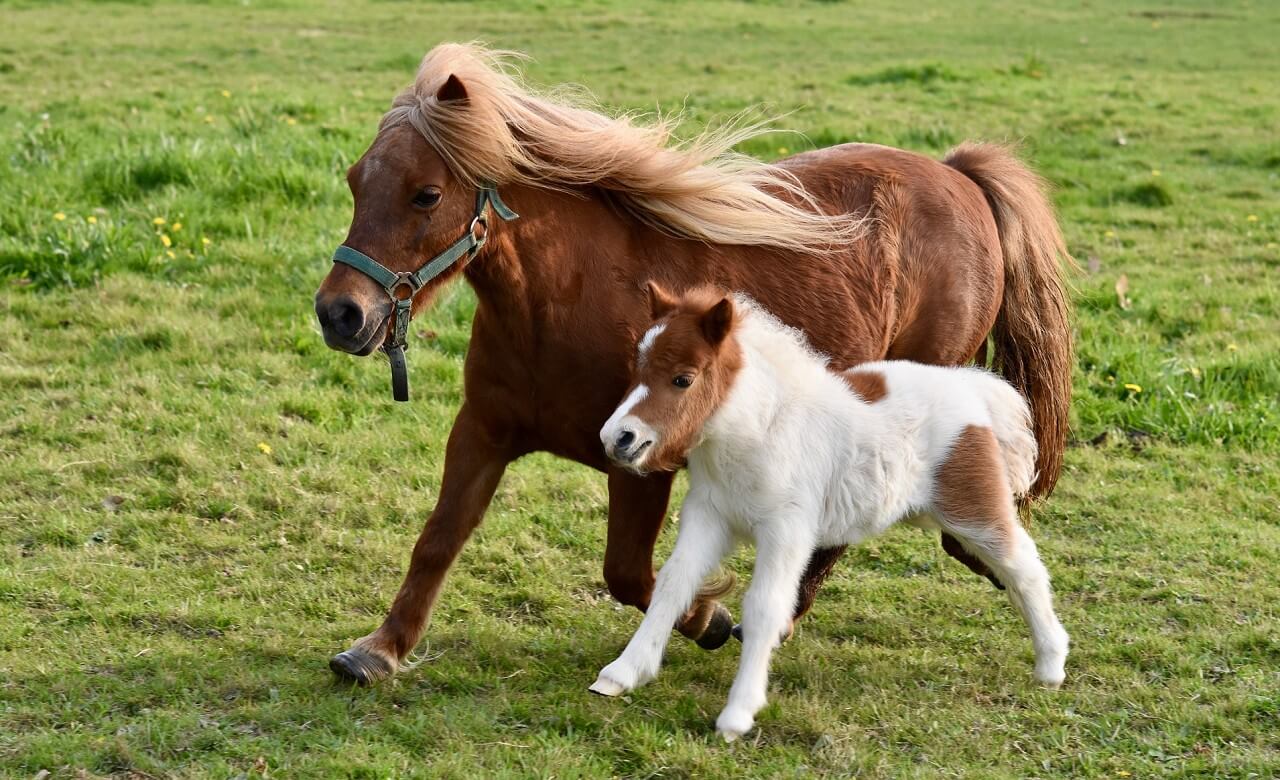
Are you familiar with the Falabella horse? Smaller than a pony, with a cute appearance and friendly nature, it is popular worldwide as a pet, especially in America.
In terms of body shape, despite its small size, it resembles thoroughbreds and Arabians. The fluffy mane further enhances its cuteness.
Native to Argentina, the name ‘Falabella’ comes from the Falabella family who bred this breed.
Size
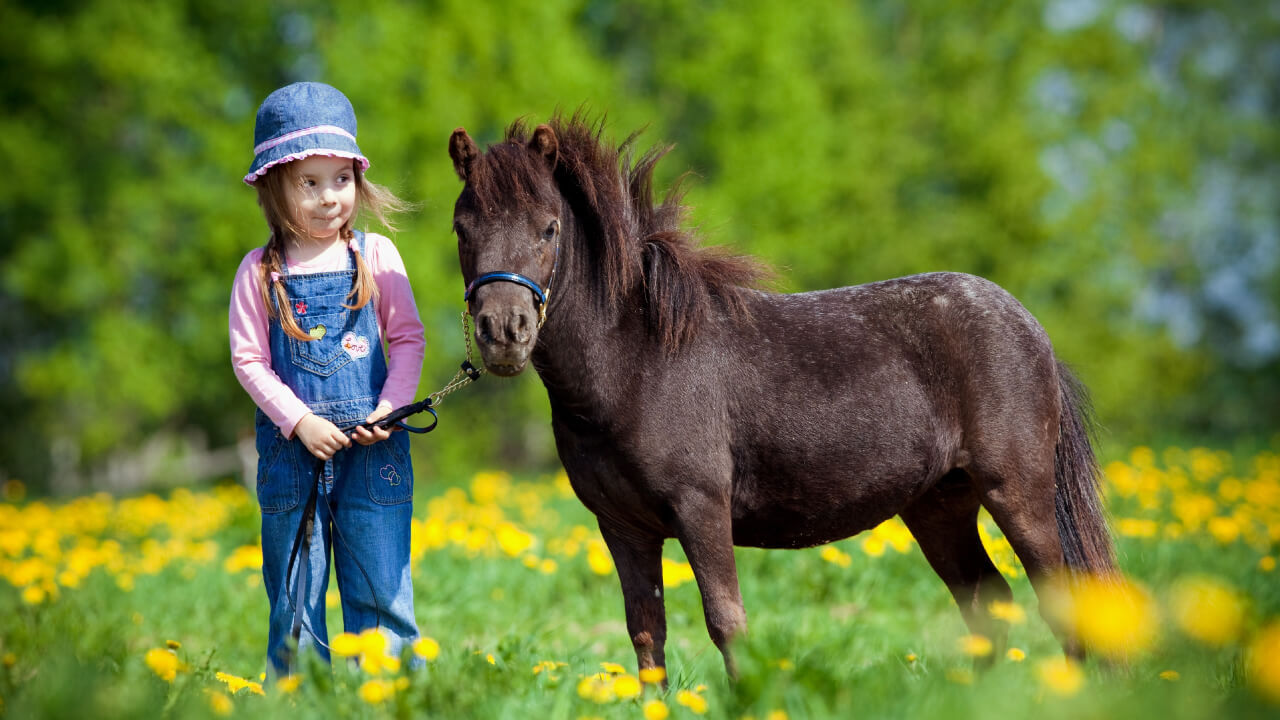
The Falabella is known as the smallest horse, with an average height of about 70 to 80 cm, roughly the size of a large dog. Some individuals even stand only about 40 cm tall.
Being smaller than ponies (which are under 145 cm tall), it is classified as a miniature horse. Originally based on Andalusian horses and Shetland ponies, it has been selectively bred to become smaller.
Because of its tiny stature, it is kept as a pet rather than for riding purposes.
Lifespan
The lifespan of a Falabella is generally between 20 and 30 years, comparable to regular-sized horses. Compared to pets like dogs and cats, this is quite long, allowing owners to enjoy many years together. It is important to consider one’s own age in 30 years and responsibly decide if they can care for such a long-lived pet.
Additionally, thanks to its gentle, friendly, and intelligent nature, Falabellas are expected to participate in guiding work or other roles in the future.
What About the Price?

It might seem that horses are expensive, but the charming Falabella has a price range of about 400,000 to 3 million yen.
Prices vary depending on pedigree and if it comes with a registration document. Especially purebreds are bred exclusively by the Falabella family and are priced in the hundreds of thousands of yen.
On average, the median price is around 800,000 yen.
Can You Keep One at Home in Japan? How to Care & Cost of Feed?
Although Falabellas are kept as pets overseas, can they be kept in Japan? Japan’s limited space means it’s crucial to consider how feasible it is to care for such a small horse at home. Let’s explore the requirements including the stable, feeding, and necessary precautions.
Stable
For a horse, a stable is essential, and considering a Falabella’s size, it needs to be at least 1.3m high, with an entrance and depth of at least 1.5m.
It’s possible to buy materials from home centers and build a suitable shelter. Alternatively, a large dog house can be used as a substitute.
Straw, wood shavings, or shredded newspaper can be spread on the floor, and replaced when soiled.
Remember, horses are sensitive to heat, so ensure the stable is well-ventilated during summer.
Pasture
Having a pasture for Falabella to spend time outside is recommended. A typical size is about 5 tsubo (roughly 10 tatami mats). This size is achievable in some Japanese areas.
However, a pasture isn’t mandatory. If not, daily walks of about 30 minutes, similar to a large dog, are sufficient. With a pasture, walks become unnecessary, which might be more convenient.
Feeding
As herbivores, horses mainly eat grass, but a pasture isn’t strictly required. Special horse feed such as hay, bran, barley, or soy can be purchased in Japan, although less commonly available than pet food.
Feed 2-3 times daily, using a bucket for dry hay, straw, or grains. Be cautious about what wild grass is safe to give, avoiding toxic plants and pesticides.
Cleaning the Stable
Cleaning is essential for all pets, including Falabella. Since there’s no designated toilet area, waste is done inside the stable, requiring daily cleaning to maintain hygiene.
Regular checks for health signs like appetite and manure consistency are important. If issues like colic arise, early detection and response are crucial to prevent severe conditions or fatality.
Additional Care
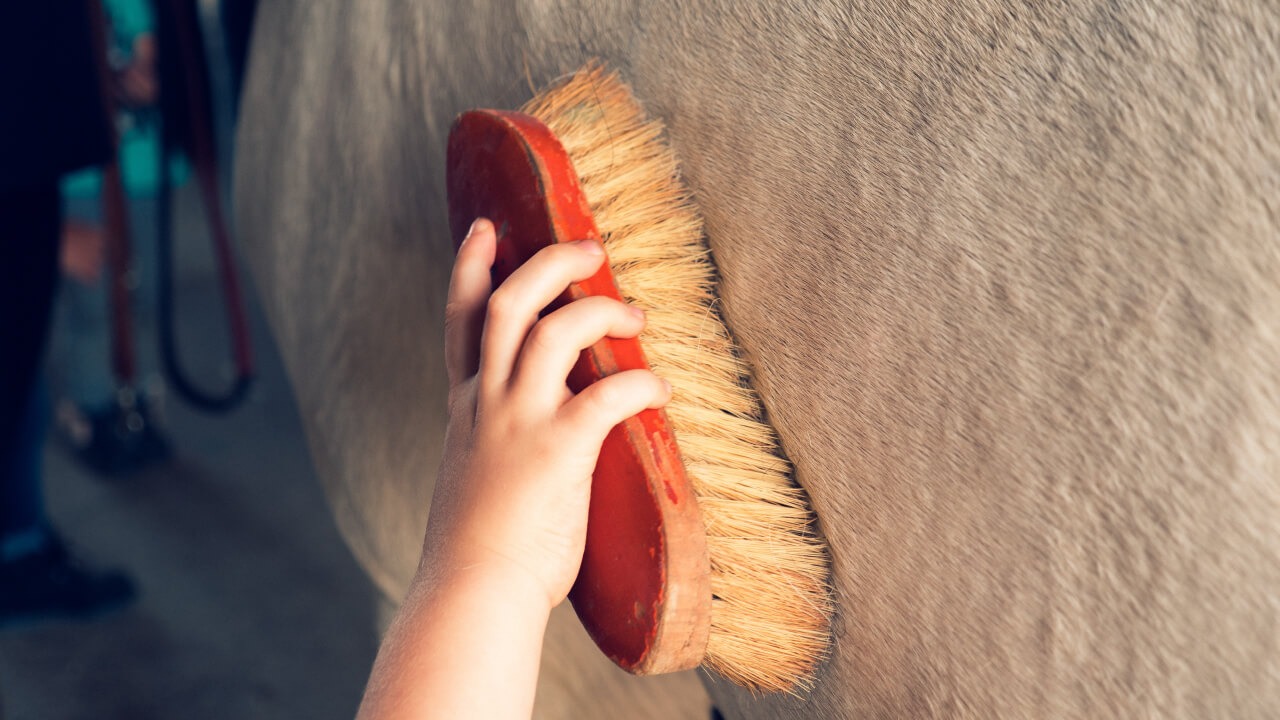
Daily brushing helps remove dirt, acts as a gentle massage, and relaxes your horse, strengthening trust.
Seeking someone skilled in hoof care or learning to do it yourself is vital. The hoof is called the ‘second heart’ because it plays a key role in circulation, aiding blood flow from the heart. Proper care of hooves is therefore vital to prevent life-threatening conditions.
Preparation & Permits
Check if your local vet can treat horses like Falabella. It’s important to find a vet experienced with equines before bringing one home.
In some regions, permits may be necessary for keeping livestock such as cows, horses, or pigs. Verify this beforehand and follow procedures. Also, inform neighbors in advance to ensure smooth relations.
Where to Keep and Transport?
Falabella isn’t sold at pet stores; they are usually purchased from farms raising thoroughbreds or ponies, or online.
Since horses are very sensitive, some may experience stress during transport. Driving to pick up your Falabella is recommended, and with a car, they can comfortably fit in a standard vehicle.
Can You Ride a Falabella?
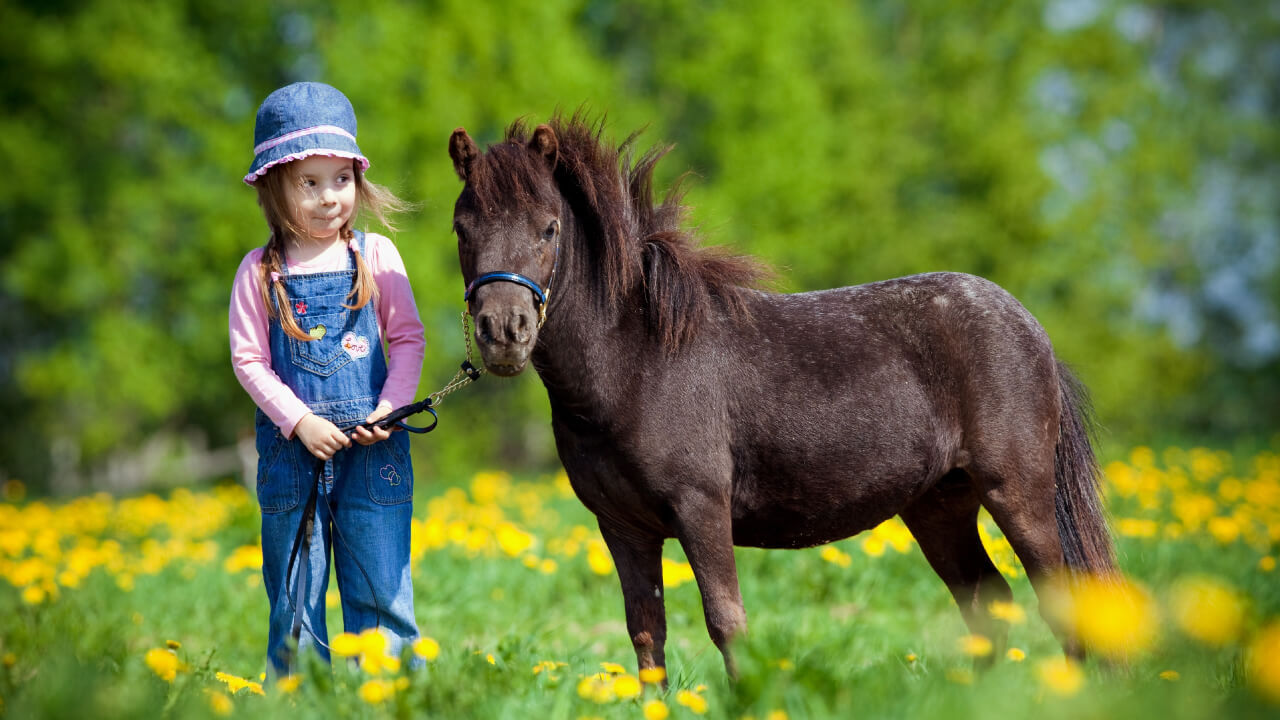
Due to its small size and friendly nature, Falabellas are rarely used for riding. They are kept more often as pets because they are friendly, intelligent, and quiet.
They can also participate in horse shows due to their trainability.
Given their traits and longer lifespan compared to dogs, there is potential for training them as guide horses too.
Summary
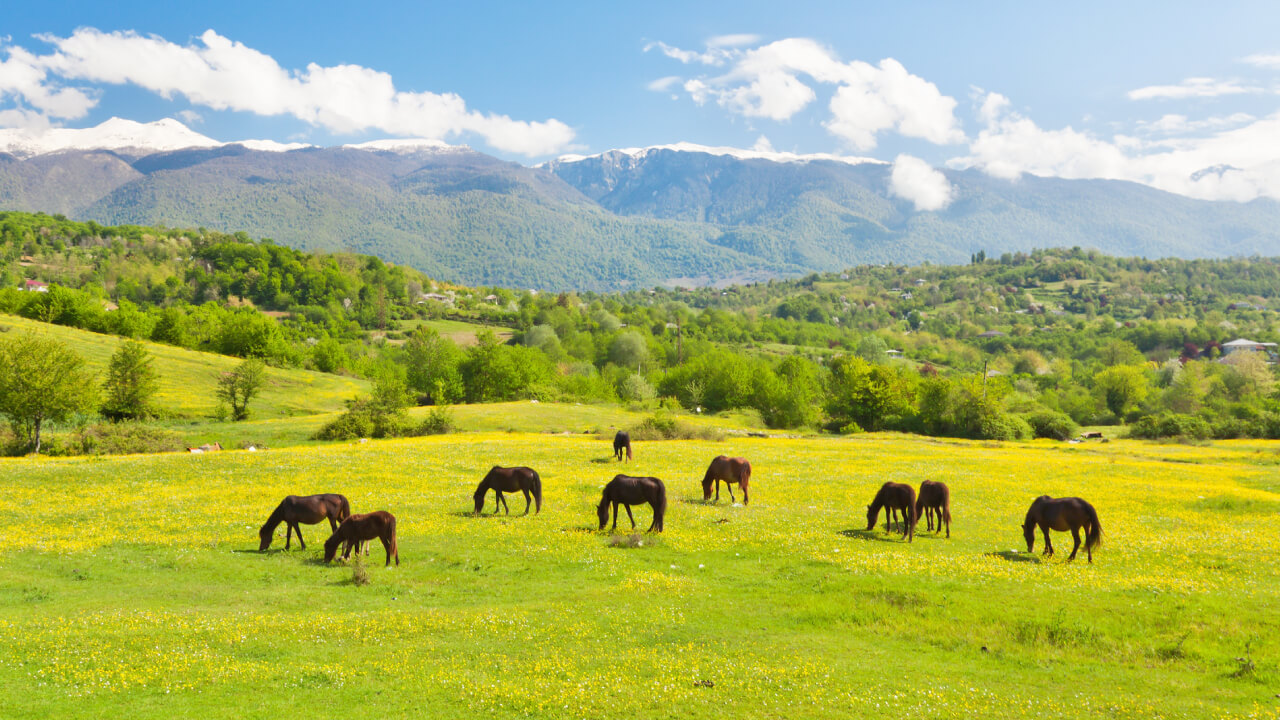
Not only is Falabella adorable with its small size, but it is also friendly and intelligent, making it highly charming. While too small for riding, it’s an undeniably lovable pet.
Some people may feel uneasy about keeping what traditionally were livestock, but in reality, the hurdles for stable and feed are manageable. The main considerations are finding a vet familiar with horse care and learning hoof maintenance. It’s exciting to think that someday, Falabella could be a new option for pet lovers in Japan.