
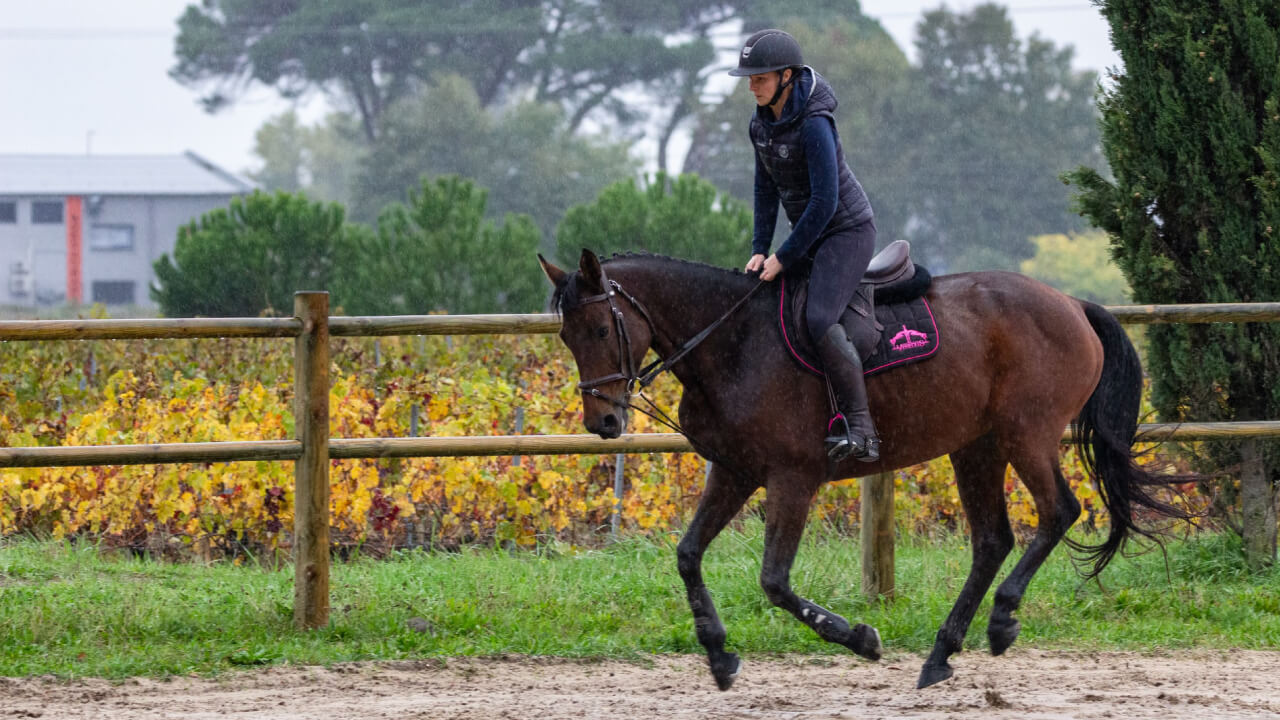
Many riders are told they have the wrong lead and need to adjust it, but often they’re unsure if their lead is correct until it’s pointed out. In this article, we explain the importance of the lead, how to check it, and how to match it correctly.
What Is the Lead?
Let’s first consider what the term ‘lead’ actually refers to in horseback riding. Understanding the two main meanings of ‘lead’ in riding can make it easier to grasp what it means to match the lead properly.
1. The Direction of the Horse’s Circling Movement
The first meaning relates to the direction in which the horse is moving in a circle. When asked whether the horse’s lead is left or right, the correct answer is: the side where the ‘center of the circle’ appears to be from the rider’s perspective.
To visualize, imagine the horse is riding a clockwise circle on the arena. The circle’s center is always on the right side from the horse’s view, so this is a ‘right lead.’
This idea applies not only to perfect circles like riding on a loop or ring but also to curved movements to the right or walking along a trace that curves right, which are also considered right leads. When the horse’s body bends in the same direction as the lead, it’s easier to remember visually.
2. The Leg That Last Touches the Ground
The second meaning, which can be tricky at first, refers to the ‘inside leg’ or the last leg to make contact with the ground. In trot, the front and hind legs alternate symmetrically, so which leg is the ‘lead’ doesn’t matter as much. However, the lead becomes important in canter, especially when asking the horse to perform a specific lead.
In canter, the horse’s gait is influenced by the direction of movement, with a typical sequence when turning right: left hind leg → right hind leg → left front leg → right front leg. The last leg to land, which is the right leg in this case, determines the lead, thus right lead.
Interestingly, the same movement for the first meaning also indicates that a turn to the right is a right lead. When both meanings align—meaning the direction of movement and the last leg to land coincide—it’s called matching the lead.
Most horses naturally run in their comfortable lead, so they often have matching leads during canter. However, incorrect leads can happen due to rider instruction errors or the horse’s preferences. It’s important to understand and correct the lead to ensure comfort and performance.
Why Is the Lead Important?
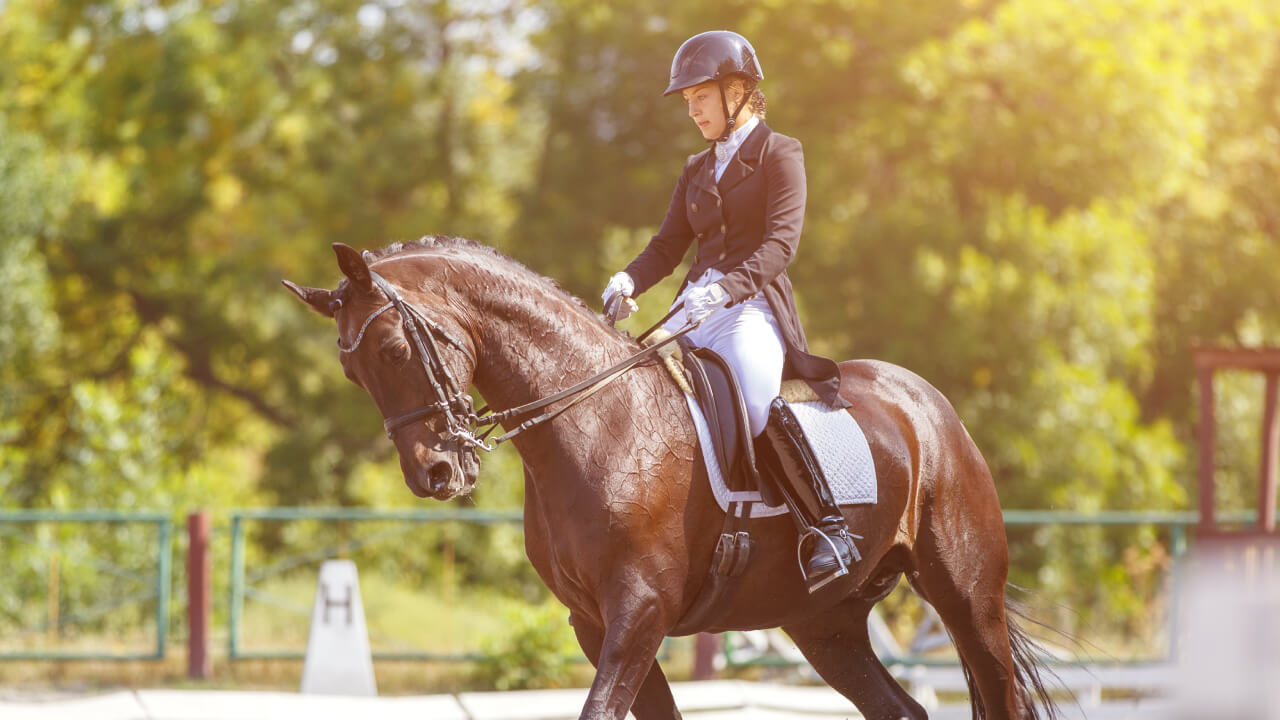
Have you ever wondered why matching the lead is so important? Once you understand the reasons, it becomes easier to be mindful about correcting your lead during riding.
Reducing the Load on the Horse’s Body
Imagine you are standing on one leg, lifting your right foot. Which shoulder do you think would be less stable if pushed? Probably the right shoulder. Similarly, horses experience more strain when their weight is on the less dominant side that isn’t aligned with their natural movement.
By adjusting the lead so that the limb the horse pushes off most powerfully — the ‘inside’ leg — bears the most weight, rider can reduce the horse’s strain. Especially in light trot, where the rider’s body movements influence the lead, this awareness is crucial.
Using the Body Correctly for Optimal Performance
The correct lead in canter or trot often feels most natural and comfortable for the horse because the body’s weight distribution and the curvature match the limb movements. When turning right, the horse naturally shifts weight to the right side and bends slightly to the right, forming a bow shape.
To execute a proper turn, the horse should push off from the outer leg of the circle, with the right front leg extending forward to initiate the movement. If the leg movements are reversed, the horse might feel awkward—like riding a bike starting with the wrong foot—which can cause discomfort and reduce performance.
How to Check Your Lead
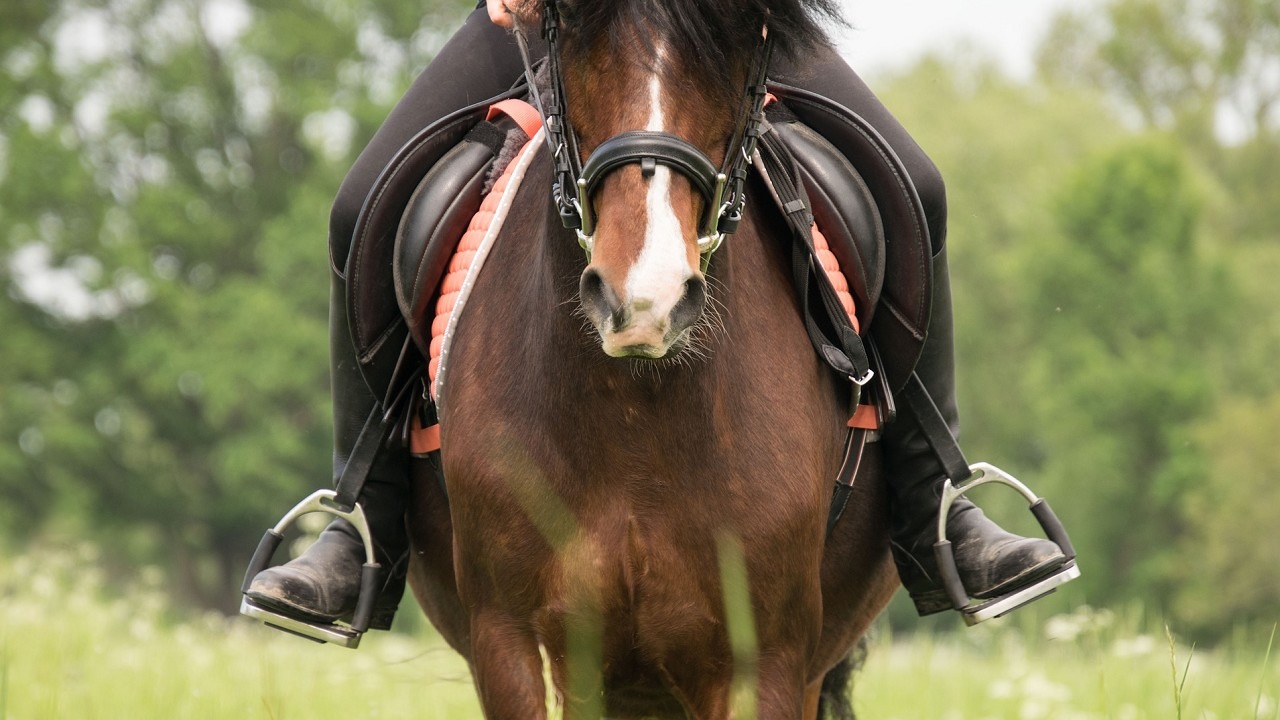
Now, let’s move on to how you can check the lead effectively. Don’t worry if it seems complicated; you only need to observe the horse’s shoulders, which makes it simple!
During Trot
In trot, the horse’s legs land in the sequence: right hind, right front, left hind, left front. From the rider’s perspective, the shoulders alternate forward. To perform a balanced posting trot, when should you rise? The key is timing it when the inside shoulder drops back, indicating the correct lead.
Specifically, when the inside shoulder lags behind, that is the best moment to rise and when the shoulder is forward again, sit back down. For example, if the inside shoulder is on the right, you should rise when it drops back and sit when it moves forward.
If you thought the timing should be different, you likely believed the horse’s weight was greatest when the rider sits, but in fact, most weight is on the inside leg when the rider rises.
During Canter
In the canter, because the gait is asymmetrical, you need to communicate to the horse which lead to perform initially. This is often done by opening the inside rein and slightly pulling back the outside leg to ask for the correct lead. For more details, check out our other article on aids for canter transitions.
Once the canter begins, observe the horse’s shoulders. Unlike trot, one shoulder will always be forward: if the right shoulder is forward, it’s a right lead, and vice versa. If the horse is in a right lead, the right shoulder should be ahead; if not, you need to correct the lead.
Summary
Matching the correct lead is essential not only for rider comfort but also for reducing the horse’s strain. Instead of just practicing the ‘correct’ method, think about why matching the lead is beneficial—then incorporate that understanding into your training!