
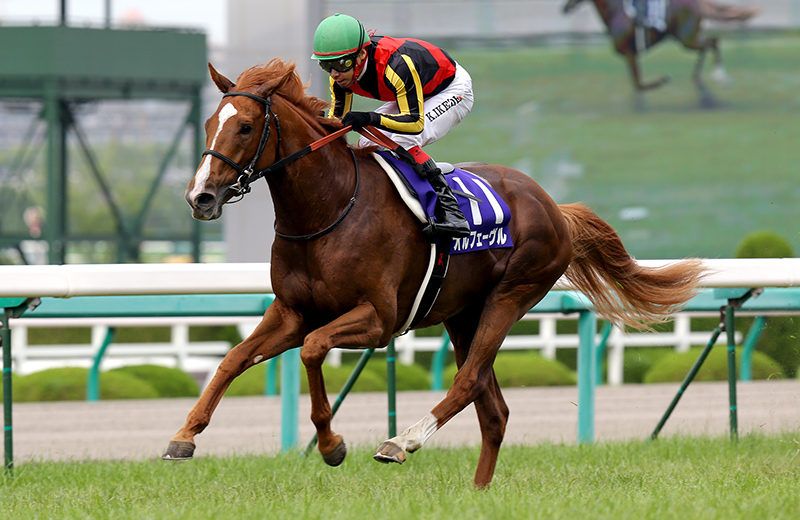
Each year, 7,000 Thoroughbreds are born with the aim of becoming racehorses, and around 5,000 retire to start their second lives. Some horses are born with health issues or injuries that lead to early retirement at ages 3 or 4. While the average lifespan of a Thoroughbred is about 25 years, many retired racehorses find new careers. What doors do they open? Here’s an overview of the career transitions for retired racehorses.
From Racehorse to Equestrian Competitor

One of the career options for retired racehorses is becoming a show jumping or dressage horse. These horses participate in equestrian sports seen in events like the Olympics. But is transitioning from racehorse to sport horse easy? Not exactly. It requires retraining to meet the demands of competitive riding.
Qualifications Needed for Sport Horses
In countries like Europe, where equestrian sports are popular, only certain breeds with suitable body structure and gait are selected for competitions. In Japan, retraining racehorses into sports horses involves specific training focusing on the skills required for various disciplines. Unlike when they ran fast as racehorses, sport horses must learn to perform more elegant and controlled movements, such as in dressage, or trust their riders during jumps in show jumping, requiring a calm and gentle demeanor.
How to Become a Sport Horse
The typical race course is designed for speed, but retraining for sport involves developing smooth, graceful walking and jumping techniques. Starting with basics like crossing fallen trees, the training gradually increases in difficulty, including hurdle jumping, which is a new challenge for former racehorses.
From Racehorse to Guide Horse

Guide horses mainly assist in leading racehorses from the paddock to the main track in racetracks. They also lead parades and bands, manage the course, and sometimes calm down or catch runaway horses, making their role quite diverse.
Qualities Needed for Guide Horses
Guide horses must be calm and steady, unlike the energetic racehorses that are excited before races. They should possess a gentle, trustworthy personality, capable of handling different situations without becoming agitated. Their calm nature is crucial for safety and effective guidance.
Becoming a Guide Horse
Retired racehorses need retraining to become guide horses, which often involves specialized training recognizing their unique qualities. Sometimes, horses are selected based on their coat color, such as gray, black, or white, for visual appeal. Horses that have not succeeded as sires may also become guide horses due to their recognition.
Retirement at Breeding Farms

Some racehorses may spend their second life on breeding farms. Bloodline and performance are highly valued here, and only elite horses are given breeding positions. Transitioning to a breeding horse requires deregistration from racing registers, then registering with the Japan Stud Book International, along with required inspections if they aim to become sires. Success in races is essential for securing a breeding position, often requiring multiple wins in G1 races.
How to Become a Breeding Horse
The conversion from racehorse to breeding mare involves deregistration from racing, registration as a breeding mare, and, if aiming to be a sire, breed inspection. Performance in races greatly influences their chances of becoming a breeding horse, with top-level wins like G1 races being critical.
Horse Pregnancy and Breeding Age
The gestation period for horses is approximately 330 days, about a year for each foal. High age can reduce pregnancy rates, but some mares continue to breed well past 20 years old, given an average lifespan of 25 years.
As Riding Horses at Equestrian Clubs

One of the common post-retirement careers for racehorses is becoming a riding horse at riding clubs. However, horses trained for speed require about six months to a year of retraining to become safe and docile enough to carry passengers. The costs involved include food, care, trainers’ fees, and time, making it challenging for many clubs to accept retired racehorses immediately.
Qualities Needed for Riding Horses
The racehorses that have been trained vigorously for speed need to be gentle and trustworthy for riding clubs. They must be calm, not easily startled by loud sounds, and able to respond to instructions calmly. Their temperament is critical for the safety of riders, especially since most riders are amateurs.
Unexpected Re-Training Opportunities
Riding clubs manage horses to promote the joy of riding among members, which involves feeding, care, and training—costly and time-consuming. To retrain racehorses as riding horses, specialized programs are available, often led by equine care schools aiming to cultivate professional groomers. These programs include teaching young groomers how to handle racehorses for safety and training, ultimately matching the horses’ new careers with their skills. This collaborative project benefits both clubs and horses, enabling quick integration due to prior training.
From Horse to Therapy Animal

Horse therapy is a type of therapy not only involving riding but also caring for and observing horses, aimed at improving motor and mental functions for people with disabilities. The effects of animal-assisted therapy with horses have been medically recognized, similar to therapy dogs or cats, and can foster trust and emotional healing. Retired racehorses are increasingly transitioning to roles as therapy horses.
Impact of Horse Therapy on People
Although horse therapy is still emerging in Japan, it is gaining recognition for its benefits. People with mental or physical disabilities engage with horses to reduce anxiety, fears, and aggression. Riding helps strengthen core muscles, back, legs, and improves internal organ function through the horse’s movement. For those unable to ride, caring for horses and managing stables develop social skills like responsibility, independence, and cooperation, while also helping improve motor skills.
Qualities for Therapy Horses
Therapy horses do not need to run fast or jump obstacles. They are typically calm, slow-moving, and friendly. It is essential they have a trusting disposition and are well-behaved around humans. Since horses are naturally cautious, they may react to loud sounds, but therapy horses must be unflappable. Horses that once raced fiercely are trained again to become gentle and reliable, thanks to dedicated retraining.
Summary
Born and trained to win races, retired racehorses find various second careers. Each requires different qualities, and all involve retraining to shed the instincts and behaviors developed during racing. Although switching careers is complex for humans, horses face similar challenges. Retraining and adaptation are vital for both.